京都でしか出会えない!心ときめくおすすめのお土産5選
 Shinobu
日本の伝統と文化が息づく街、京都。
この古都を訪れたら、旅の思い出に、そして大切な人への贈り物に、とっておきのお土産を見つけたいですよね。
今回は、数ある京都のお土産の中から、おすすめのお土産をご紹介します。
ありふれた観光土産とは一線を画す、職人の技と心が込められた逸品ばかり。
それらは単なる品物ではなく、日本人の美意識や歴史、そして京都ならではの豊かな文化を映し出す小さな芸術品とも言えるでしょう。
1. 清水焼〜職人技が光る美しい伝統芸〜
京都のお土産の定番といえば、清水焼。
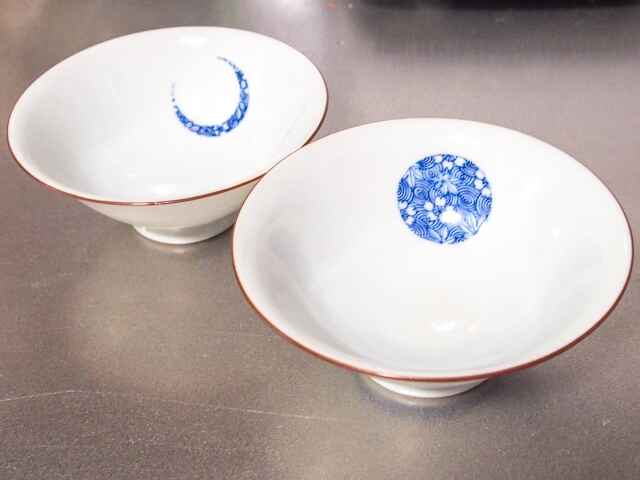
清水焼は、京都市東山区・清水寺の周辺で発展してきた陶磁器の総称で、特定の窯やひとつの様式を指すものではありません。
その一番の魅力は、なんといっても多彩なデザインと技法。
茶碗や湯呑み、花瓶、食器など、作り手によって雰囲気がまったく違い、使う人のライフスタイルに合わせて選べるのが嬉しいところです。
金銀彩や色絵を使った豪華で華やかな作品は、今でも多くの人を魅了し続けています。
そして現代でも、その伝統を受け継ぎながら新しい表現に挑戦する作家がたくさんいて、進化を続けているのです。
お土産として選ぶなら、日常的に使えるお茶碗や湯呑み、小皿がおすすめ。
シンプルでモダンなデザインのものから、思わず飾りたくなるような絵付けのものまで、幅広くそろっています。
特に、清水寺からほど近い五条坂には、清水焼のお店がずらり。
実際に手に取って、自分だけの「お気に入りの一品」を見つける時間も、旅の楽しみになるはずです。
清水焼 公式サイト
2. 西陣織〜京都で味わう、本物の贅沢〜
京都を代表する伝統工芸といえば、西陣織。
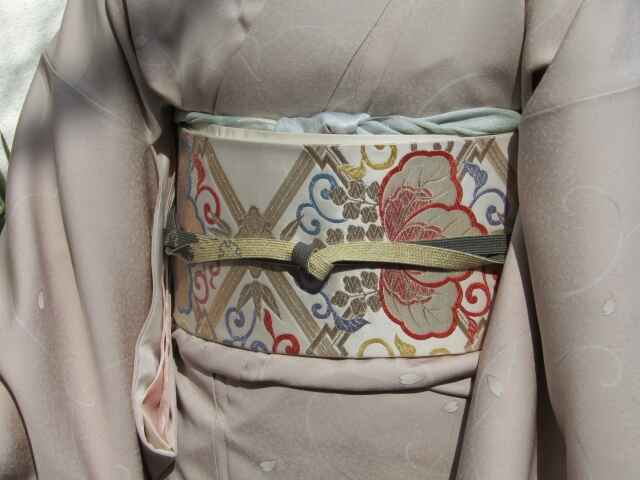
1,000年以上の歴史を持つ高級絹織物で、京都の西陣地区を中心に生産されています。
その大きな特徴は、なんといっても先染めと呼ばれる技法。
糸をあらかじめ染めてから織り上げることで、色鮮やかで繊細な模様を生み出すことができるのです。
かつては貴族や武士が身につける格式高い衣装として用いられ、日本の最高級織物として名を馳せてきた西陣織。
現代では、着物や帯にとどまらず、ネクタイや財布、名刺入れ、ポーチなどの小物にも広がり、普段の暮らしに取り入れやすくなっています。
特に小物類は、軽くて持ち運びやすく、しかもデザインのバリエーションが豊富。
伝統的な和柄はもちろん、モダンな色使いやスタイリッシュなデザインのものも増えているので、お土産にも自分用にもぴったりです。
西陣織の魅力をたっぷり味わいたいなら、ぜひ西陣織会館を訪れてみてください。
ここでは実際に織物の体験ができたり、実際に着付けの体験ができたりと、観光のひとコマとしても楽しめますよ。
西陣織 公式サイト
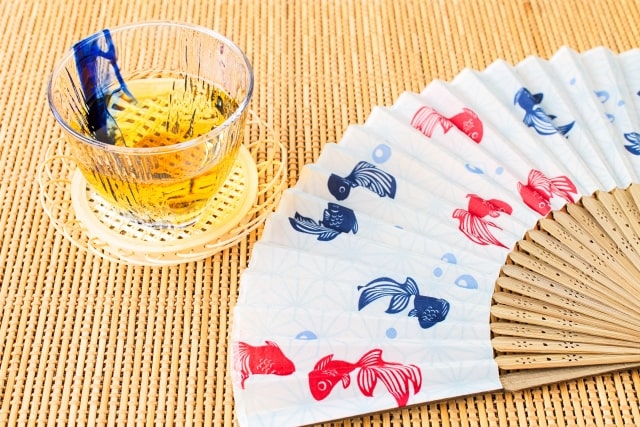
3. 扇子〜手のひらサイズの雅〜
日本の夏の風物詩といえば、扇子。
中でも京都の扇子は、平安時代から続く独自の文化と技術に支えられて発展してきた、代表的な伝統工芸品です。
扇子は、竹や木を細かく削った「骨」と、和紙や絹を貼り合わせた「扇面」から作られます。
そのひとつひとつが、職人の手によって丁寧に仕上げられています。
魅力はなんといっても、雅なデザイン。
古典的な絵柄からモダンで洗練されたものまで幅広く、特に金箔や銀箔を使った扇子は、まるで芸術品のような美しさです。
実用的に涼をとる道具であるのはもちろん、着物の帯に差したり、手に持つだけで品格を引き立ててくれるファッションアイテムとしても人気です。
お土産に選ぶなら、男女問わず使いやすいシンプルなデザイン のものがおすすめです。
京都には老舗の扇子専門店がいくつもあり、お店に一歩入ると扇子がずらりと並んだ華やかな光景が広がります。
京都の扇子専門店 舞扇堂 公式サイト
4. お香〜京都の香りを、あなたの家へ〜
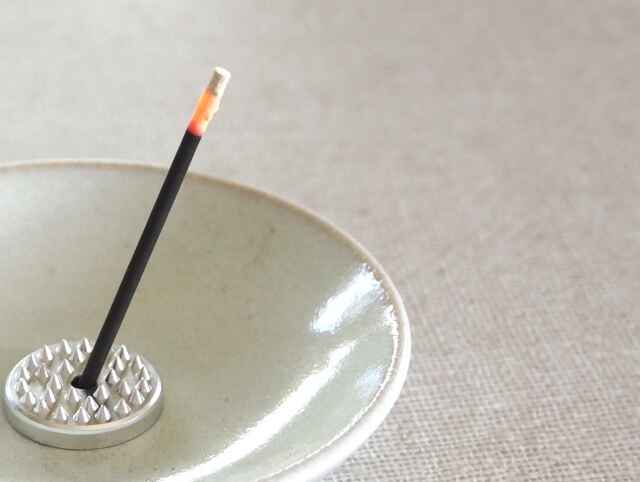
日本の雅やかな文化を象徴するアイテムといえばお香。
その歴史は古く、仏教の伝来とともに香木が日本に持ち込まれ、公家の間で「香道」として洗練されていきました。
四季折々の情景を香りで表現したり、心を落ち着かせるために使ったりと、お香の用途はとても幅広いです。
特に京都は、寺社仏閣が集中する土地柄、香りの文化が花開いた場所。
今でも町中には、多くの老舗のお香専門店が軒を連ねています。
お香にはいくつか種類があり、火をつけて香りを楽しむ線香、香木や天然香料を練り固めた練り香、持ち歩いて楽しむ匂い袋などがあります。
お土産としてお香を選ぶ魅力は、手軽さと種類の豊富さにあります。
小さな匂い袋なら財布やポーチに入れて持ち歩け、ふとした瞬間にほのかな香りを楽しめます。
また、旅の思い出の香りとしてお気に入りを選んで帰れば、日常の中で京都を思い出すきっかけにもなります。
老舗のお店の中には、自分だけのオリジナル匂い袋を作れる体験工房もあります。
香老舗 松栄堂 公式サイト
5. 絵馬〜旅の記念に、幸運を願って〜
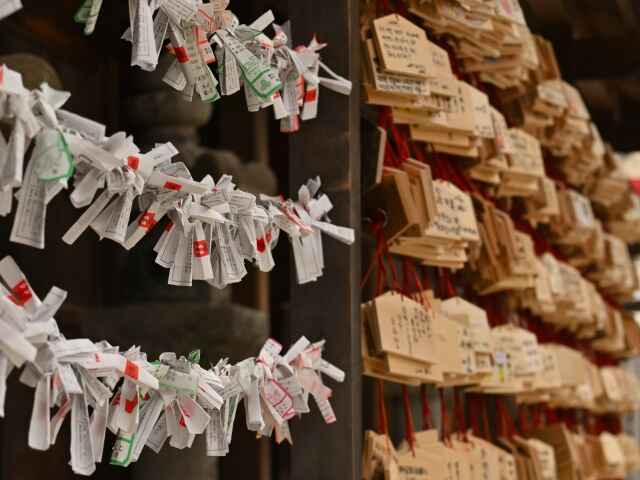
絵馬は、神社やお寺で願い事を書いて奉納する、日本ならではの習慣です。
もともとは神様に生きた馬を捧げる風習が起源とされ、やがて木の板に馬の絵を描いたものへと変わり、現在ではさまざまな形や絵柄の絵馬が作られるようになりました。
お土産としての魅力は、単なる板ではなく願いという想いを込められることです。
絵馬に願いを書けば、その土地の神様や仏様に自分の気持ちを伝えるという文化体験そのものができるんです。
叶えてほしい願いを込めて持ち帰れば、お守り代わりにもなります。
京都の神社仏閣には、それぞれ個性豊かな絵馬があります。
たとえば、学問の神様を祀る北野天満宮では、勉学に励む学生たちの願いが絵馬にびっしりと書かれています。
他にも、千本鳥居で有名な伏見稲荷大社では、鳥居型の絵馬や狐の顔の絵馬があり、自分で好きな表情を描き加える楽しみもあります。
もちろん、願いを書かずにそのまま持ち帰っても大丈夫です。
美しいデザインやユニークな形の絵馬は、日本の信仰と美意識が詰まった、特別な旅の記念品になるでしょう。
北野天満宮 公式サイト
6. まとめ
京都のお土産は、ただのモノではありません。
そこには、日本の職人技と文化が凝縮されています。
清水焼の美しい陶器、西陣織の繊細な織物、扇子の雅やかなデザイン、そしてお香と絵馬。
どれも日本の美意識や歴史を感じさせてくれる、特別な存在です。
今回ご紹介した品々は、少し値が張ると感じるかもしれません。
しかし、その価値はきっと価格以上です。
時間をかけて選んだ一品は、旅の思い出をより深く、そして長く彩ってくれるはずです。京都の街には、まだまだ魅力的なお土産が数え切れないほど隠れています。
そしてそのお土産とともに、京都の豊かな文化と職人の心を持ち帰っていただければ、旅はさらに特別なものになるでしょう。
私たちについて
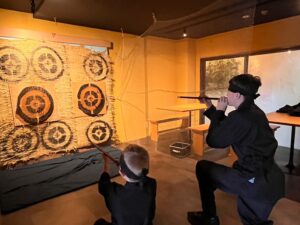
東京の浅草・原宿、大阪、京都にある忍者体験カフェを運営しています。
真っ黒な忍者衣装に着替えて、手裏剣や吹き矢をマスターする忍者修行体験を通じて日本文化を体験することができ、大人も子どももワクワクすること間違いありません。
特別な思い出をぜひ写真や動画に撮って楽しんでください。屋内の施設なので、雨の日でも、暑い日・寒い日も楽しめます!
「忍者になってみたい!」と思う方はぜひお越しださい!
ご予約はこちらから。