11 Temples and Shrines in Tokyo: A Guide for First-Time Visitors to Japan
 Shinobu
As you walk through the streets of Tokyo, you may notice temples and shrines quietly standing between modern buildings.
This scenery reflects a unique feature of the city, where urban life and tradition exist side by side.
For travelers interested in Japanese culture, visiting temples and shrines is more than simple sightseeing.
It can also offer a moment of spiritual calm and a deeper understanding of local traditions.
1. Basic Knowledge and Visiting Etiquette
Difference between temples and shrines
Japan has both temples and shrines, but they belong to different religious traditions.
Temples are associated with Buddhism.
They usually house Buddhist statues and are places for Buddhist worship.
Shrines belong to Shinto, Japan’s indigenous religion.
They enshrine kami, which are spiritual beings connected to nature, ancestors, and sacred places.
You can often recognize shrines by the presence of a torii gate at the entrance.
Temples typically have a large gate and Buddhist statues within the grounds.
How to perform purification, offer coins, and pray
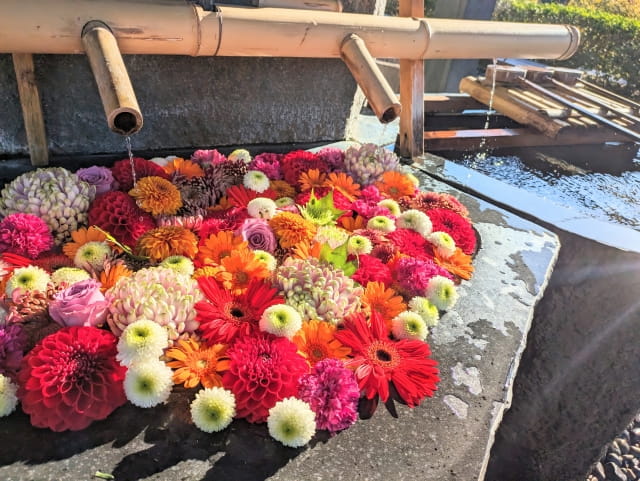
Before approaching the main hall, visitors usually purify themselves at a water pavilion called a chozuya.
Use a ladle to wash your left hand, then your right hand, and finally rinse your mouth.
This act symbolizes cleansing both body and mind before prayer.
At a shrine, visitors place a coin into the offering box, ring the bell if there is one, then follow the traditional method of two bows, two claps, and one final bow.
At temples, people usually place their hands together quietly and pray without clapping.
Behaviours to avoid in sacred spaces
Temples and shrines are sacred places, so visitors should behave respectfully.
Eating and drinking in the grounds, speaking loudly, entering restricted areas, or taking photos where photography is prohibited should be avoided.
Being mindful of other visitors and maintaining a respectful attitude helps preserve the peaceful atmosphere.
2. 11 Recommended Temples and Shrines by Area
Ueno and Asakusa area
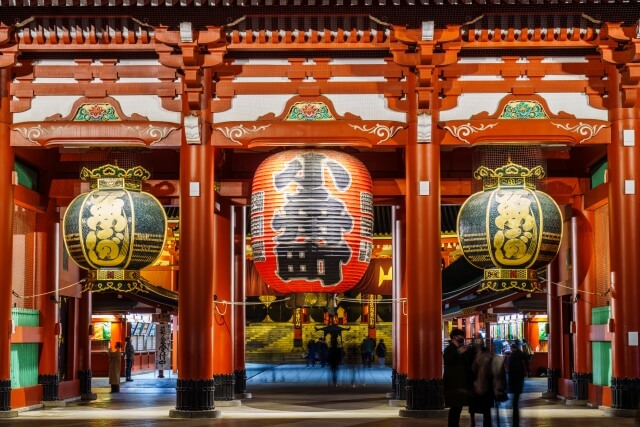
Sensoji Temple
The oldest temple in Tokyo.
It is famous for the Kaminarimon Gate and the bustling Nakamise shopping street.
Visitors can enjoy both sightseeing and worship.
The street leading to the temple is filled with traditional snacks and souvenir shops, creating a lively atmosphere every day.
Sensoji Temple Official Website
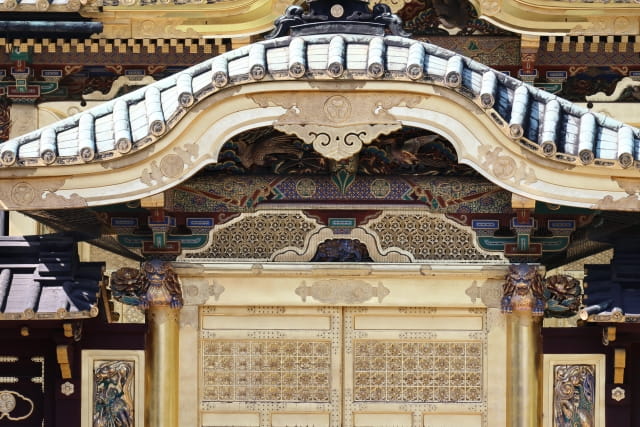
Ueno Toshogu Shrine
This shrine is known for its beautiful golden decorations and high historical value.
In spring, plum blossoms and cherry blossoms attract many visitors.
In December, a unique ceremony called the Black Bean Offering Festival is held to pray for a good harvest and the health of farmers and workers.
Ueno Toshogu Shrine Official Website
Shinjuku and Shibuya area
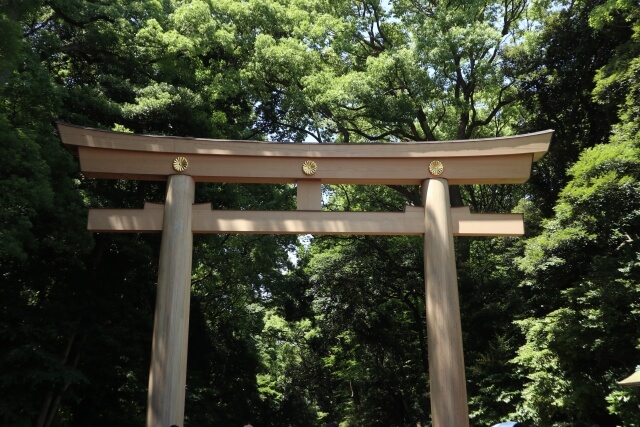
Meiji Jingu Shrine
A vast shrine dedicated to Emperor Meiji.
The long forest path leading to the shrine creates a peaceful and mystical atmosphere, even though it stands in the middle of Tokyo.
Meiji Jingu Shrine Official Website
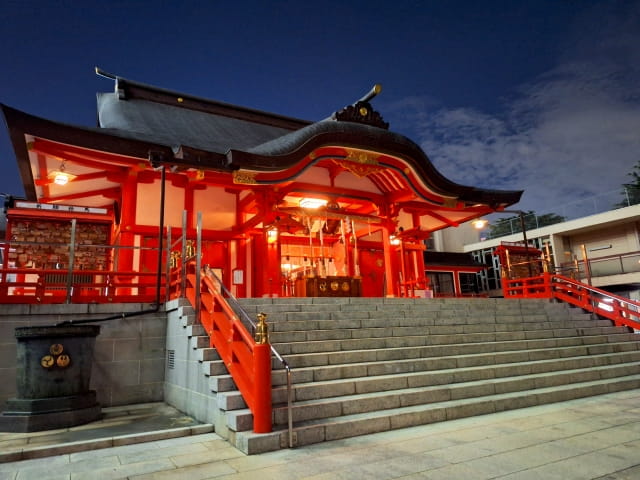
Hanazono Shrine
Located in the lively district of Shinjuku, this shrine is known as a power spot connected with success in entertainment and matchmaking.
Within the grounds, rows of red torii gates form a path that feels almost like walking through a tunnel to another world.
Hanazono Shrine Official Website
Minato and Roppongi area
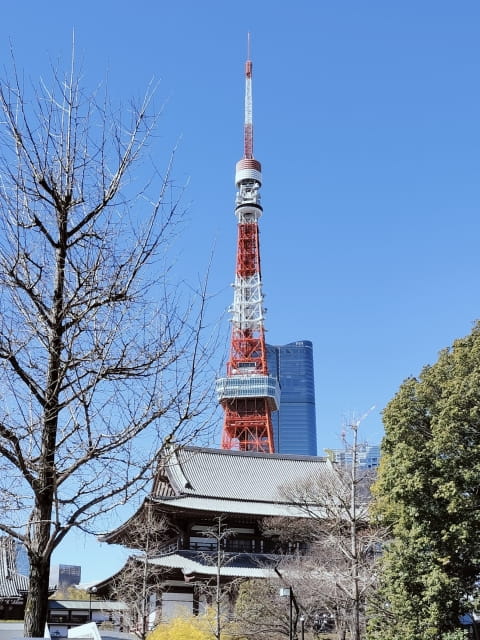
Zojoji Temple
A temple with more than 600 years of history and strong ties to the Tokugawa family.
It stands very close to Tokyo Tower, creating a striking contrast between traditional architecture and the modern skyline.
Zojoji Temple Official Website
Shiba Daijingu Shrine
With a history of more than 1,000 years, this shrine has long been respected by many people.
It is also famous as a place that brings good fortune in relationships.
Each September, a long festival called the Daradara Festival takes place for eleven days, filling the streets with lively mikoshi parades.
Shiba Daijingu Shrine Official Website
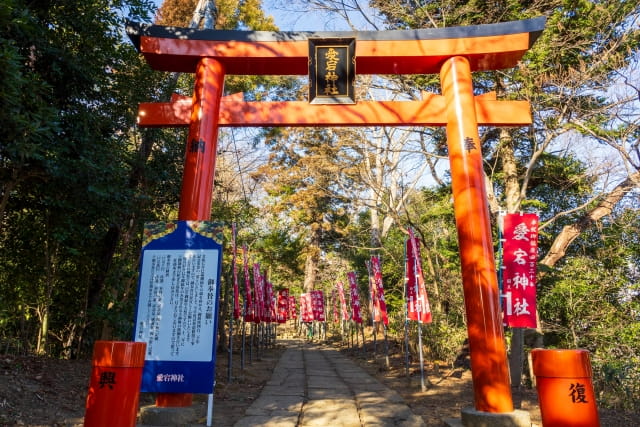
Atago Shrine
Atago Shrine sits on top of Mount Atago, which rises 26 meters above sea level and is the highest natural point in Tokyo’s 23 wards.
The shrine is known for its connection to fire prevention and disaster protection.
The surrounding greenery also changes beautifully with the seasons.
Atago Shrine Official Website
Old Town and Yanesen area
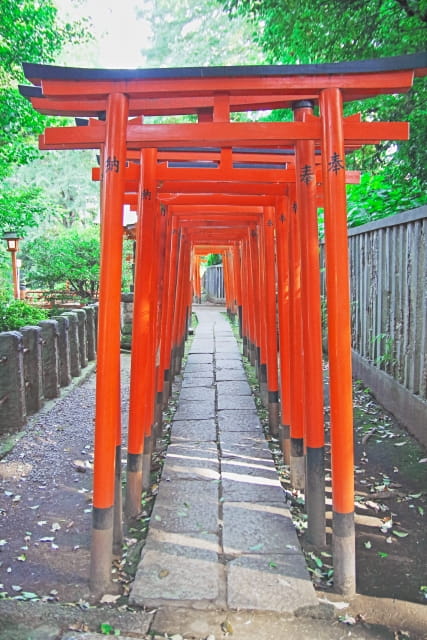
Nezu Shrine
The main hall and several other structures are designated as Important Cultural Properties of Japan.
Within the grounds is a scenic area known as Otome Inari Shrine, where rows of red torii gates create a beautiful and photogenic path.
Nezu Shrine Official Website
Gotokuji Temple
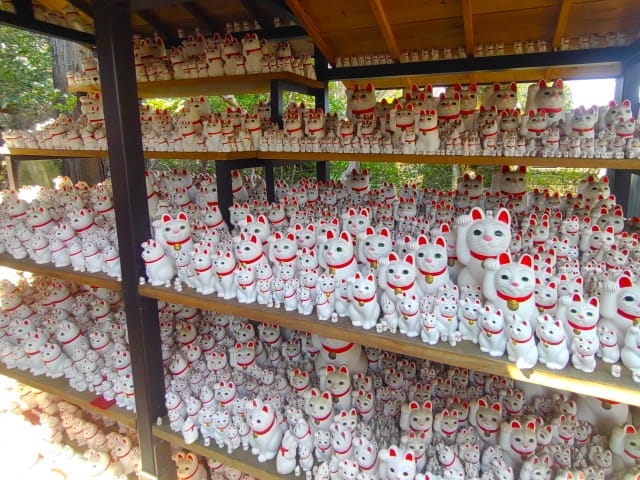
Gotokuji Temple is widely known as the birthplace of the lucky beckoning cat, or maneki-neko.
According to legend, a feudal lord was once beckoned by a cat and entered the temple just before a thunderstorm began.
Grateful for the cat’s gesture, he supported the temple afterward.
Today, many small maneki-neko statues are displayed on the temple grounds.
Gotokuji Temple Official Website
Suburban area
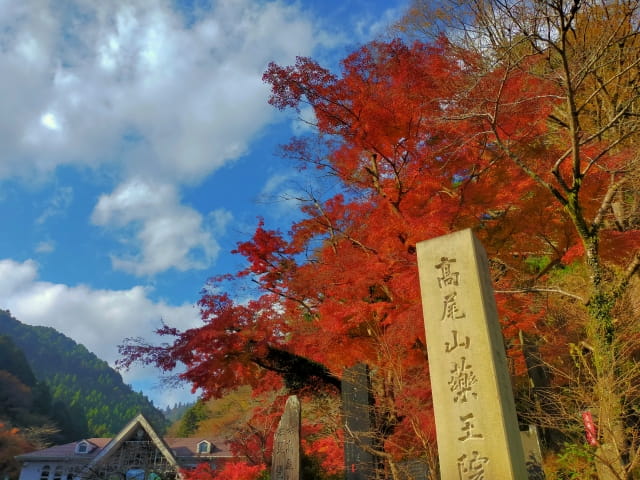
Mount Takao Yakuoin Temple
Located near the summit of Mount Takao, this temple is often visited together with a hiking trip.
Those who prefer a relaxed visit can use the cable car to reach the temple area.
Surrounded by nature, the site offers a peaceful spiritual atmosphere.
Visitors can also participate in traditional training experiences.
Mount Takao Yakuoin Temple Official Website
Jindaiji Temple
Jindaiji Temple houses one of the oldest Buddhist statues in eastern Japan, a statue of Shaka Nyorai, which was designated a National Treasure in 2017.
The area around the temple is famous for soba noodles.
The abundance of natural spring water made it suitable for growing buckwheat and operating watermills for flour production.
Jindaiji also has an unusual feature.
The fortune slips here are known for having a relatively high chance of drawing “bad luck.”
However, in Japanese belief, even bad luck can turn into good fortune.
Jindaiji Temple Official Website
3. Summary
Tokyo is home to many temples and shrines that offer moments of peace and history within a modern city.
This article introduced basic etiquette for visitors and highlighted 11 recommended temples and shrines across different areas of Tokyo.
From famous landmarks such as Sensoji and Meiji Jingu to unique spots like Gotokuji, the birthplace of the lucky cat, and Mount Takao Yakuoin surrounded by nature, each location offers a different experience.
Visiting temples and shrines is not only sightseeing.
It is also a chance to experience Japanese culture and find a moment of calm during your trip.
What are we?
We run Ninja Experience Cafe in Tokyo, Kyoto and Osaka, Japan.
Here you can immerse yourself in Japanese culture through experiencing ninja training.
Both adults and children are welcome to try their hand at defeating the ninja master inside the cafe.
The cafe is an indoor interactive zone, so it can be enjoyed even on rainy days.
If you are thinking "I want to be a real ninja too!” or interested in becoming a real ninja, please visit us.
Reservations can be made here.
Unauthorized copying and replication of the contents of this site, text and images are strictly prohibited.