Top 5 Kyoto Architectures From Taishō to Shōwa Eras
 Shinobu
When people think of Kyoto, they often picture traditional landscapes filled with temples and shrines.
However, Kyoto has another fascinating side that emerged after the Meiji Restoration: its collection of modern architecture influenced by Western design.
Constructed during the Taishō and Shōwa periods, these buildings showcase a unique architectural style that blends traditional Japanese aesthetics with Western functionality and design principles.
In this article, we will explore some of Kyoto’s most representative modern architectural landmarks while examining the historical background behind their development.
- History of Kyoto’s Retro Architecture and Modernisation
- Kyoto Prefectural Office - Former Main Building: A Red-Brick Government Building
- Kyoto Prefectural Library: Knowledge Behind a Historic Façade
- Kyoto City KYOCERA Museum of Art: Shōwa Modernism Meets Contemporary Design
- Museum of Kyoto: A Red-Brick Symbol of Kyoto’s Modernisation
- Asahi Group Oyamazaki Villa Museum of Art: A Mountain Villa Museum
- Summary
1. History of Kyoto’s Retro Architecture and Modernisation
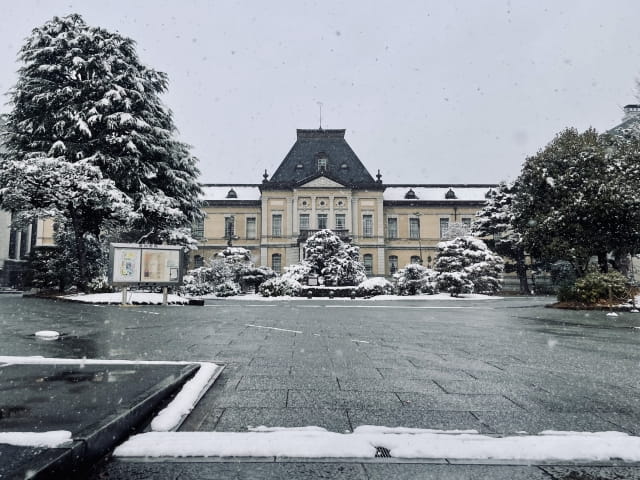
The Meiji Restoration of 1868 transformed not only Japanese society but also the appearance of its cities.
For centuries, Kyoto had served as Japan’s capital.
However, when the capital was moved to Tokyo, the city temporarily lost much of its political and economic vitality.
In response, Kyoto pursued redevelopment as a centre of education and culture.
As part of these modernisation efforts, Western architectural techniques were introduced.
Brick and stone construction, symmetrical designs, arches, and colonnades became common features in newly built structures.
At the same time, Kyoto did not abandon its traditional architectural heritage.
Japanese elements remained visible in roof designs and decorative details.
This fusion of East and West evolved into architectural styles known as Wayō Secchū (Japanese-Western eclecticism) and Teikan Style (Imperial Crown Style), creating a distinctive urban landscape unique to Kyoto.
Today, many of these buildings have been carefully preserved and repurposed, allowing visitors to experience an important chapter in Japan’s cultural and architectural history.
2. Kyoto Prefectural Office - Former Main Building: A Red-Brick Government Building
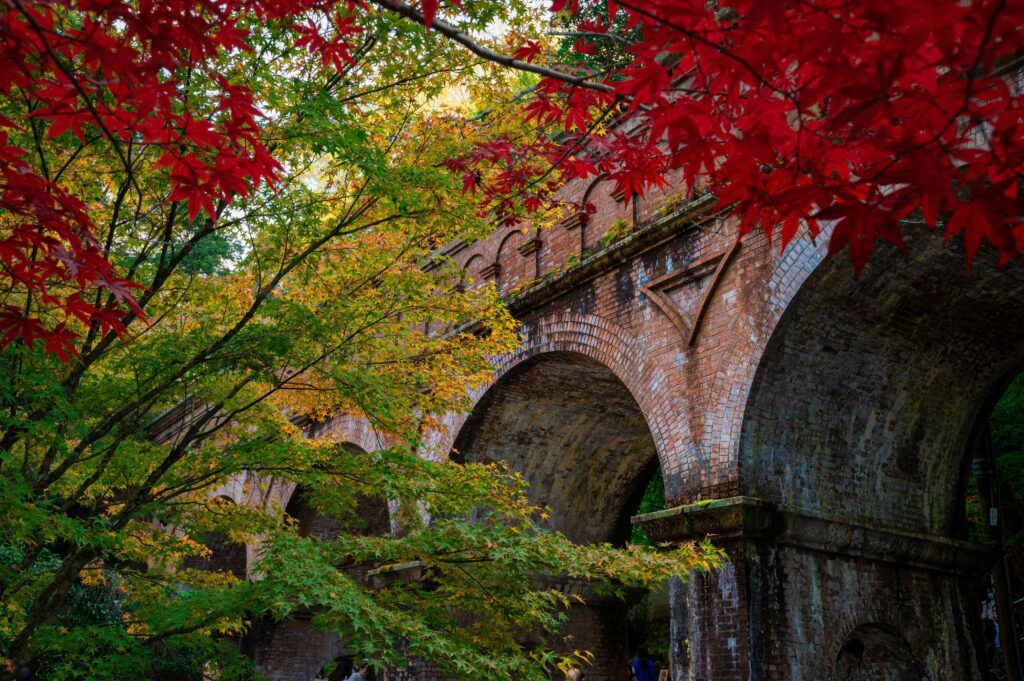
The Former Main Building of the Kyoto Prefectural Government stands west of the Kyoto Imperial Palace and was completed in 1904 (Meiji 37).
It continues to function as an active government building today and is highly valued for preserving much of its original appearance.
As one of the earliest full-scale Western-style buildings designed by Japanese architects, it represents a significant achievement in Meiji-era architectural technology.
The structure is a two-storey brick building with a partial basement.
Its floor plan forms a rectangular courtyard layout, with a carriage porch projecting from the front and an assembly hall extending from the rear.
The exterior is primarily Renaissance in style, enhanced by Baroque-inspired details that give the building a dignified and imposing appearance.
Although it resembles a stone structure, it is actually constructed from brick, reflecting the architectural innovations of the period.
Inside, visitors can admire impressive spaces such as the Main Hall, the grand staircase, and the Assembly Chamber.
The decorative details and craftsmanship throughout the building make it much more than a government office.
One unique feature is an upright piano manufactured in 1982, which visitors are free to play.
The grounds also include a garden designed by Jihei Ogawa VII, where architecture and landscape blend harmoniously.
When visiting, it is worth taking time to appreciate not only the façade but also the building layout, courtyard, and interior ambience.
As a symbol of Kyoto’s modernisation, the Former Main Building of the Kyoto Prefectural Government is an ideal starting point for any retro architecture tour.
Kyoto Prefectural Office Official Website
3. Kyoto Prefectural Library: Knowledge Behind a Historic Façade
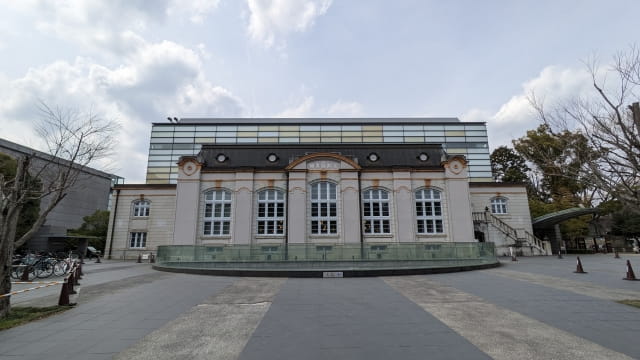
Located in Kyoto’s Okazaki district, Kyoto Prefectural Library is one of the city’s most important public libraries.
Its history dates back to 1898 (Meiji 31), when it first opened within the Kyoto Imperial Gardens. In 1909 (Meiji 42), it moved to its current location.
The present building was reconstructed in 2001 following damage caused by the Great Hanshin-Awaji Earthquake.
However, the façade of the original structure was preserved, allowing visitors to appreciate its historic character.
The original building was designed by Goichi Takeda, often referred to as the father of modern architecture in the Kansai region.
The exterior combines dignity with elegance, creating a refined appearance typical of early modern architecture.
The library consists of four above-ground floors and two basement levels, featuring reading rooms and multimedia facilities.
Its collection contains approximately 1.36 million volumes, including reference works, research materials, historical newspapers, and numerous databases.
The library is especially known for its extensive Kyoto-related collections, making it an excellent destination for visitors interested in learning more about the city’s history and culture beyond sightseeing.
Kyoto Prefectural Library is more than simply a place to read books quietly.
It serves as a centre for learning and research, offering numerous study spaces designed for focused academic work.
The library also supports a broader network of public libraries throughout Kyoto Prefecture through interlibrary loan services and digital resource access.
A visit offers the opportunity to appreciate both architectural beauty and an inspiring intellectual environment.
Kyoto Prefectural Library Official Website
4. Kyoto City KYOCERA Museum of Art: Shōwa Modernism Meets Contemporary Design
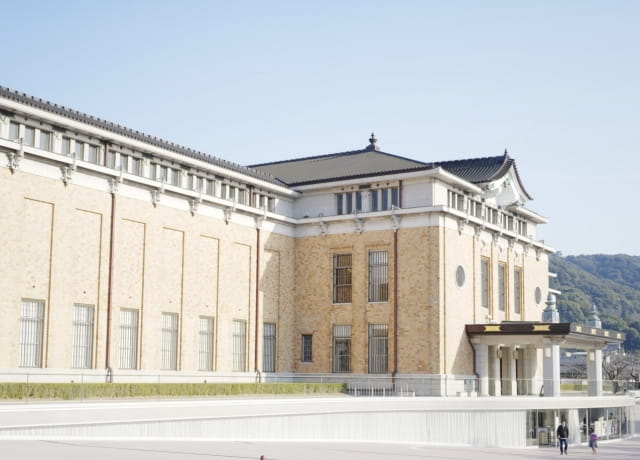
Kyoto Municipal Museum of Art originally opened in 1933 (Shōwa 8) as the Great Enthronement Commemorative Kyoto Museum of Art, making it one of Japan’s oldest public art museums.
Following an extensive renovation completed in 2020, it reopened under the popular name Kyoto City KYOCERA Museum of Art.
One of the museum’s greatest achievements is its successful balance between preservation and innovation. While retaining much of its original Shōwa-era architectural character, it has been transformed into a highly functional contemporary museum.
The main building is considered a representative example of the Imperial Crown Style, combining traditional Japanese roof designs with Western architectural forms.
The renovation introduced new features such as a glass-walled underground entrance and bright, open circulation spaces.
As a result, the museum appeals equally to architecture enthusiasts and art lovers.
Its collections focus on works from the Kyoto School of Painting while also featuring modern Japanese paintings, Western-style paintings, and traditional crafts.
The Collection Room, where exhibitions change according to Kyoto’s seasons, is a particular highlight.
Meanwhile, the museum’s newer wing, Higashiyama Cube, hosts contemporary art, design, manga, anime, fashion, and other forms of creative expression.
Kyoto City KYOCERA Museum of Art stands as a cultural landmark where historic architecture and modern exhibition design coexist harmoniously.
Combined with a stroll through the Okazaki district, it provides an excellent opportunity to experience Kyoto from the modern era to the present day.
Kyoto City KYOCERA Museum of Art Official Website
5. Museum of Kyoto: A Red-Brick Symbol of Kyoto’s Modernisation
The Annex of the Museum of Kyoto was originally constructed in 1906 (Meiji 39) as the Kyoto Branch of the Bank of Japan.
It was designed by Kingo Tatsuno, one of the pioneers of modern Japanese architecture, together with his student Uheiji Nagano.
Recognised as a representative example of Meiji-era Western-style architecture, it was designated an Important Cultural Property of Japan in 1969.
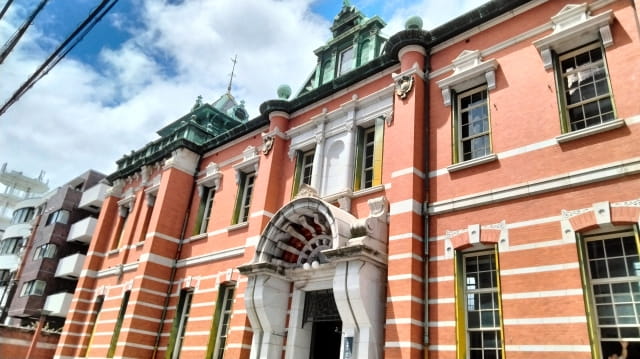
The exterior features red brick accented by white stone, creating an impressive and dignified appearance.
Its symmetrical composition, tower elements, and decorative details reflect the prestige expected of a major bank building during that era.
Standing prominently along Sanjo Street, it remains one of Kyoto’s best-known landmarks from the city’s modernisation period.
Inside, the former banking hall has been converted into an event space used for concerts and lectures.
The former manager’s office and reception rooms now house shops and galleries, allowing visitors to enjoy the historic building in a more accessible way.
The building serves as an excellent example of adaptive reuse, preserving its banking heritage while functioning as a cultural facility.
Its remarkable state of preservation also makes it an important resource for understanding Western-style architecture from the middle Meiji period.
Visitors who tour both the annex and the main Museum of Kyoto can gain a deeper understanding of Kyoto’s history and architectural evolution.
Museum of Kyoto Official Website
6. Asahi Group Oyamazaki Villa Museum of Art: A Mountain Villa Museum
The Asahi Group Oyamazaki Villa Museum of Art is located within a vast garden of approximately 18,000 square metres on the southern foothills of Mount Tennozan in Oyamazaki, Kyoto Prefecture.
The museum centres on Oyamazaki Villa, originally built as the private residence of entrepreneur Shotaro Kaga during the Taishō and early Shōwa periods.
The villa has been carefully restored and opened to the public.
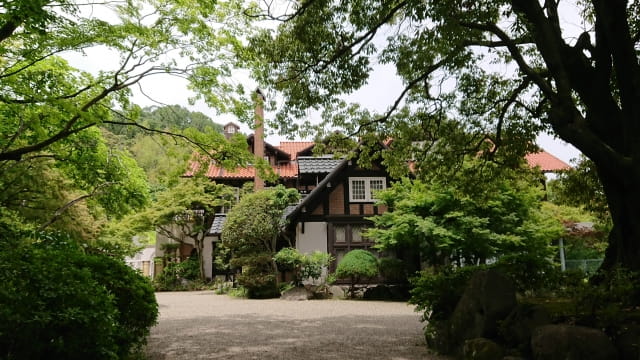
Its main building is a notable example of an English-style country house featuring Tudor Gothic architectural elements, particularly its exposed timber framework.
Designed to harmonise with the surrounding natural landscape of Mount Tennozan, the building feels like an organic part of its environment.
The museum opened in 1996.
Its creation followed a preservation campaign launched after plans emerged to demolish the deteriorating villa and replace it with apartment buildings.
Thanks to local conservation efforts and government support, Asahi Breweries undertook the project to restore and preserve the property.
The coexistence of historic villa architecture and modern concrete design within the same site is one of the museum’s most distinctive features.
In 2004, six buildings on the property, including the main villa, were registered as Tangible Cultural Properties of Japan.
The museum offers a rare opportunity to enjoy architecture, gardens, and art all in one location, making it one of Kyoto’s most rewarding cultural destinations outside the city centre.
Asahi Group Oyamazaki Villa Museum of Art Official Website
7. Summary
Kyoto’s retro architecture tells the story of Japan’s modernisation and serves as an important link between tradition and innovation.
What makes these buildings particularly fascinating is that they allow visitors to experience not only architectural beauty but also the social and cultural transformations that shaped modern Japan.All of the locations introduced here are easily accessible and can be explored efficiently within half a day or a full day.
Whether you are passionate about architecture or visiting Kyoto for the first time, this theme offers a fresh perspective on the city beyond its famous temples and shrines.
Be sure to discover for yourself how Kyoto successfully balances tradition and modernity.
Additionally, Kyoto is also home to Ninja Experience Cafe Kyoto Gion.
With interiors inspired by traditional Japan and opportunities to immerse yourself in the world of ninjas, it is another enjoyable stop worth adding to your itinerary if you are interested in Japanese culture.
What are we?
We run Ninja Experience Cafe in Tokyo, Kyoto and Osaka, Japan.
Here you can immerse yourself in Japanese culture through experiencing ninja training.
Both adults and children are welcome to try their hand at defeating the ninja master inside the cafe.
The cafe is an indoor interactive zone, so it can be enjoyed even on rainy days.
If you are thinking "I want to be a real ninja too!” or interested in becoming a real ninja, please visit us.
Reservations can be made here.
Unauthorized copying and replication of the contents of this site, text and images are strictly prohibited.