9 Kyoto Traditional Craft Experience: From Textile Dyeing to Pottery
 Shinobu
Flourishing for over a thousand years as the imperial capital, Kyoto preserves world-class artisan traditions refined across centuries.
Visiting shrines and temples is deeply rewarding, but stepping into a workshop and creating something with your own hands makes for a truly unforgettable travel memory.
The greatest appeal of Kyoto's hands-on workshops is that they welcome everyone, from beginners and children to seniors.
Instructors guide you step by step, so anyone can create a beautiful piece regardless of previous artistic experience.
This guide introduces 9 traditional craft experiences in Kyoto, from Yuzen dyeing and pottery to kumihimo braiding and ninja weapon making.
At the end of the article, we also introduce Ninja Experience Cafe Kyoto Gion, where you can train as a ninja with shuriken and blowguns.
- Textile Dyeing Workshops
- Yuzen Dyeing, Roketsu Wax-Resist Dyeing
- Traditional Japanese Handicraft Workshops
- Pottery, Lacquerware Decorating, Chopstick Making, Shippo Enamel Accessories, Kyo-Kumihimo Braiding
- Traditional Weapon Making Workshops
- Swordsmithing, Ninja Weapon Making
- Bonus: Ninja Experience Cafe Kyoto Gion
- Summary
1. Textile Dyeing Workshops | The Colours and Techniques of Kyoto
Yuzen Dyeing | Kyoto's World-Famous Art of Elegant Patterns
Pioneered by the artist Miyazaki Yuzensai during the Edo period, Kyo-yuzen is Kyoto's signature dyeing technique, celebrated for its painterly, colourful elegance.
We recommend Marumasu Nishimuraya, a long-established Kyo-yuzen workshop set in a renovated Kyoto townhouse (machiya).
It offers a wide range of courses, and you can choose from small items such as handkerchiefs and pouches to practical pieces like folding fans, furoshiki wrapping cloths and T-shirts.
Simply pick your item, design and colours, then place stencils over the fabric and brush on layers of dye to create your own original piece.
Duration: about 1 to 1.5 hours for the beginner's course, with half-day and full-day courses also available.
Roketsu Wax-Resist Dyeing | A One-of-a-Kind Memory Made with Traditional Techniques
Another popular dyeing experience is roketsu, Japan's version of batik.
You paint designs onto fabric with melted wax, then apply dye over the top; the waxed areas resist the colour, creating a distinctive hand-crafted texture.
In the workshop introduced here, you can draw your own patterns on a bag, shirt or other fabric item of your choice.
Your finished piece can be taken home the same day, making it a perfect souvenir of your trip to Kyoto.
Duration: about 2 hours
2. Traditional Japanese Handicraft Workshops | Touch, Create and Savour Kyoto Craftsmanship
Pottery | Everyday Tableware Made with Your Own Hands
Around Kiyomizu-dera Temple, pottery workshops are a popular activity to combine with sightseeing.
You can shape everyday tableware such as rice bowls and yunomi (handleless Japanese teacups) with your own hands, and have them fired in a kiln.
Pottery is enjoyable for all ages, from children to seniors, making it ideal for families and couples.
The workshop introduced here even lets you try pottery while wearing a kimono, so you take home both a uniquely Japanese memory and a handmade piece of tableware.
Duration: about 1 to 2 hours
Lacquerware Decorating | Add Golden Brilliance to a Japanese Classic
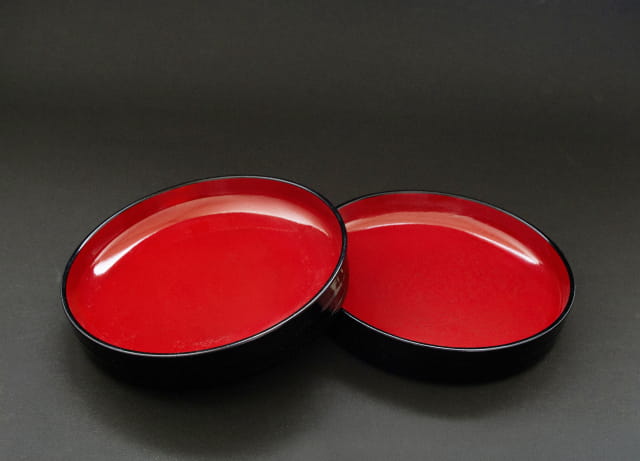
Lacquerware (shikki) is one of Japan's most iconic crafts.
At Kyo no Tezukuri Taiken (Kyoto Artisan Workshop), you can decorate lacquerware with coloured lacquer and gold powder.
Choose from items such as round plates, hand mirrors and accessory boxes, and try authentic techniques including maki-e (gold powder painting), chinkin (gold inlay) and raden (mother-of-pearl inlay).
You can take your finished piece home right away, so it makes a wonderful souvenir.
Duration: 60 to 90 minutes
Chopstick Making | Feel the Warmth of Wood and Tradition
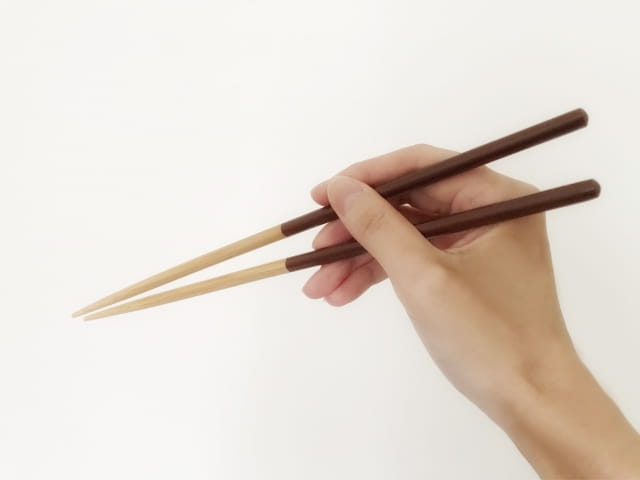
Chopsticks are part of every Japanese meal, so why not make your own pair?
At Kyomachiya Experience Workshop Waraku, set in a Kyoto townhouse more than 100 years old, you can handcraft your own chopsticks surrounded by the pleasant scent of wood.
The workshop welcomes beginners, solo travellers, couples and families, and is easy to fit in between sightseeing stops.
Duration: about 1 hour
Shippo Enamel Accessories | Shining, One-of-a-Kind Jewellery
Kyo-shippo is Kyoto's traditional cloisonné enamel craft, prized for its timeless, elegant shine.
In Kyoto's Higashiyama district, you can make your own shippo accessories.
Glass-based enamel powder is placed on a silver or copper base and fired, creating a pendant or brooch that is truly one of a kind.
Duration: courses range from a casual 1-hour session to more advanced courses that let you try professional artisan techniques, and all of them are beginner-friendly.

Kyo-Kumihimo Braiding | The Beautiful Harmony of Silk Threads
Braided cords known as kumihimo became famous worldwide as a key item in the hit anime film Your Name (Kimi no Na wa).
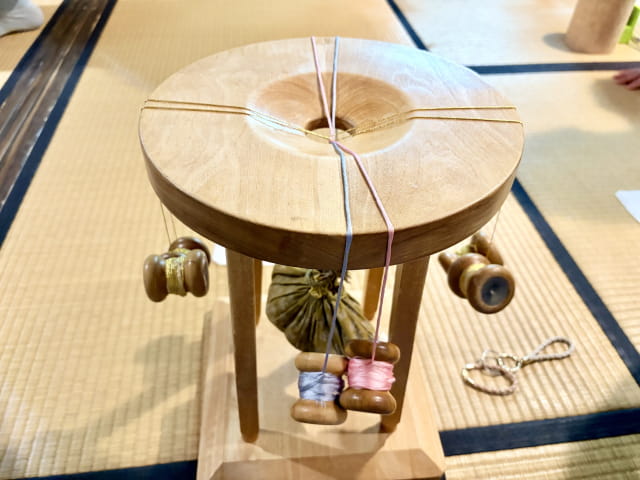
Kyoto's version, Kyo-kumihimo, is a traditional craft in which colourful silk threads are braided into delicate patterns.
At Taiken Kobo Yusai in Kyoto's Kamigyo Ward, near Nijo Castle, you can make small items using Kyo-kumihimo.
Options include a keychain braided from two colours of thread and finished with a twisted tassel, and a bracelet that combines kumihimo with colourful power stones.
You can choose a design that matches your wishes or the kind of luck you hope for, creating an item that is uniquely yours.
Both are beginner-friendly and recommended for anyone who wants to try a Kyoto craft casually.
Duration: from 30 minutes for the shortest options, with most taking around 1 hour.
3. Traditional Weapon Making Workshops | Step into the World of Samurai and Ninja
Swordsmithing | A Rare Chance to Forge Like a Japanese Swordsmith
An authentic swordsmithing experience is another Kyoto craft workshop not to be missed.
At Masahiro Tantojo in Kameoka, Kyoto, you can experience the work of a swordsmith under the guidance of a master (tōshō).
From heating and hammering the steel to quenching, polishing and making the handle, you learn swordsmithing techniques up close as you complete your own small knife (kogatana).
Duration: about 4 to 8 hours, depending on the course
Ninja Weapon Making | Enter the World of the Shinobi by Making Shuriken
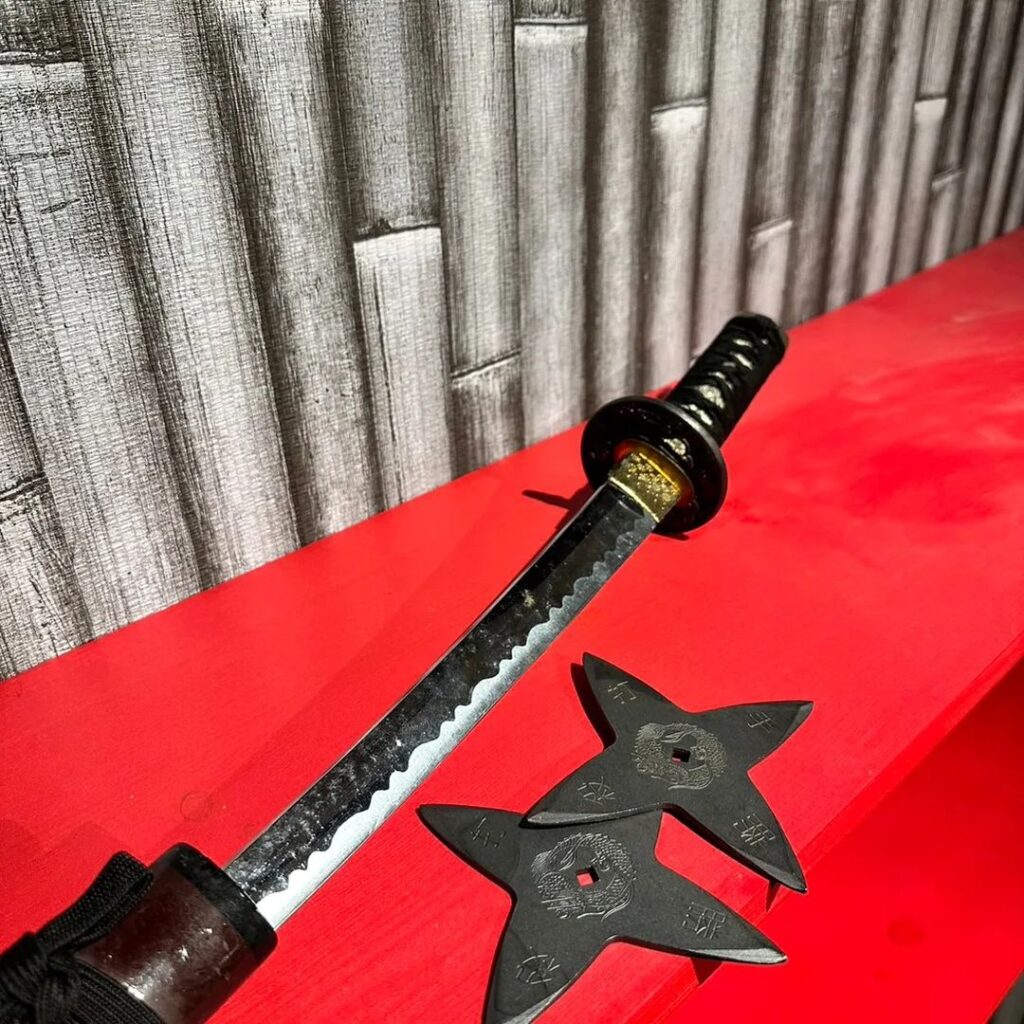
Alongside the katana, the most famous Japanese weapon is probably the shuriken used by ninja.
At Studio NIN in Kyoto, you can handcraft weapons said to have been used by ninja inside a Kyoto townhouse with more than 100 years of history.
Using high-quality steel and traditional techniques such as quenching, polishing and shaping, you make your own shuriken or kunai.
Duration: 2 hours 30 minutes
4. Bonus: Ninja Experience Cafe Kyoto Gion | After Making Shuriken, Become a Ninja
If making shuriken has sparked your interest in ninja, why not become one yourself?
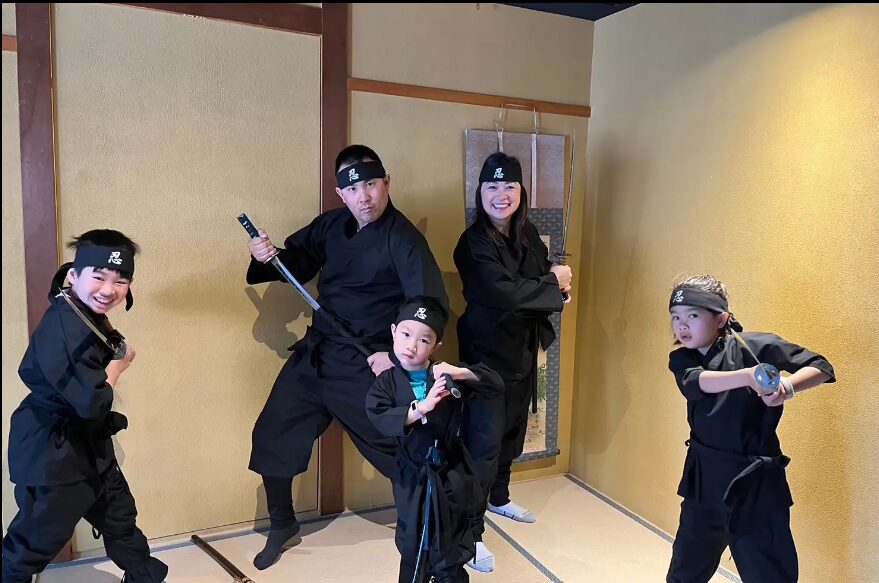
At Ninja Experience Cafe Kyoto Gion, a 6-minute walk from Gion-Shijo Station, you change into a black ninja costume and take on shuriken and blowgun training.
Many guests are surprised when they learn how to throw a shuriken.
Instead of flicking it sideways like in anime and movies, you actually throw it overhand, swinging down like a baseball pitch.
Practising to the rhythm of "one, two" to get ready and "three" to throw, guests soon start hitting the target with a satisfying thud, and every hit is met with cheers.
The blowgun is easier than the shuriken, so even small children can take part with a little help from their parents.
It makes a great sound when it hits the target, so the whole family can get excited together.
The ninja costume is adjusted with plenty of ties, so it fits guests of all sizes, from tall adults to small children.
Once guests put on the hood, everyone lights up and says they look like a real ninja.
The cafe also has ninja-house tricks, such as a revolving door, a hanging scroll you can leap out of and a flipping tatami mat, so you can take photos and videos that look like a scene from a ninja battle.
Staff help with photos and videos, so solo travellers can enjoy it with ease, and parents can capture plenty of shots of their children looking cool.
As an indoor facility, it is perfect for rainy, hot or cold days.
Duration: about 1 hour (about 1.5 hours with a meal)
5. Summary
In this article, we introduced traditional craft experiences in Kyoto that anyone can enjoy, including textile dyeing, pottery, lacquerware decorating, chopstick making, shippo enamel accessories, Kyo-kumihimo braiding and weapon making.
All of them are beginner-friendly and offer a new way to enjoy your trip to Kyoto.
For anyone who loves Japanese culture and crafts, these workshops go beyond ordinary sightseeing and become a time to learn and create.
When planning your trip, also check out our guides to sightseeing around Kyoto Station and Kyoto's best nightlife spots.
Find the craft experience that suits you best, and make your trip to Kyoto even richer and more personal.
*If you make a blade such as a knife, shuriken or kunai, keep it boxed or wrapped and take it straight back to your accommodation. Under Japanese law, carrying bladed items without a legitimate reason is prohibited, so do not unwrap it or carry it around while sightseeing. Blades cannot be taken into an aircraft cabin, so pack them in your checked baggage if you are flying. Some countries also restrict the import of bladed items, so please check your home country's customs regulations before your trip.
About Us
We run Ninja Experience Cafe in Tokyo, Kyoto and Osaka, Japan. In Kyoto, you can visit our Gion store.
Here you can immerse yourself in Japanese culture through ninja training.
Both adults and children are welcome to take on the challenge of ninja training inside the cafe.
The cafe is an indoor interactive space, so it can be enjoyed even on rainy days.
If you are thinking "I want to be a real ninja too!", please come and visit us.
Reservations can be made here.
Unauthorized copying and reproduction of the contents of this site, including text and images, is strictly prohibited.