
Ultimate Guide to Omamori: Unique Japanese Amulets
 Shinobu
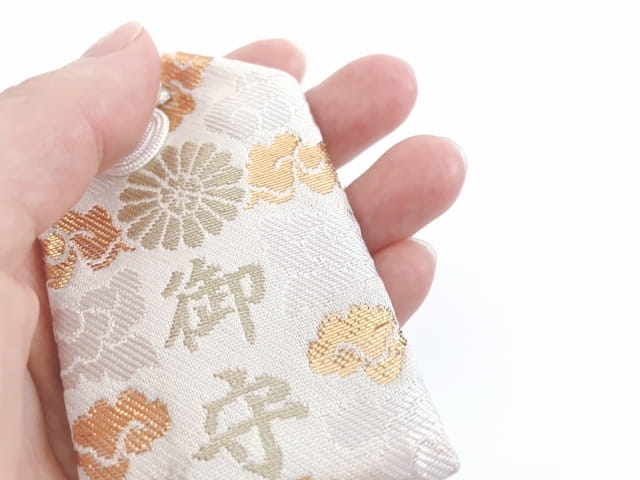
When visiting Shinto shrines and Buddhist temples in Japan, have you ever been captivated by the small, beautifully embroidered brocade pouches lined up at the counter?
To many travelers, these charming pouches—known as Omamori (お守り)—seem like exquisite souvenirs or delicate tokens of Japanese craftsmanship.
However, for the people of Japan, Omamori are far more than mere good-luck charms or fashion accessories.
They are sacred vessels containing Gobunrei (御分霊)—a split spirit or portion of divine power from a Shinto deity (kami) or Buddhist figure.
In essence, an Omamori is a "palm-sized deity."
It serves as an invisible shield to ward off misfortune and provides the courage to take a step forward when life gets rough.
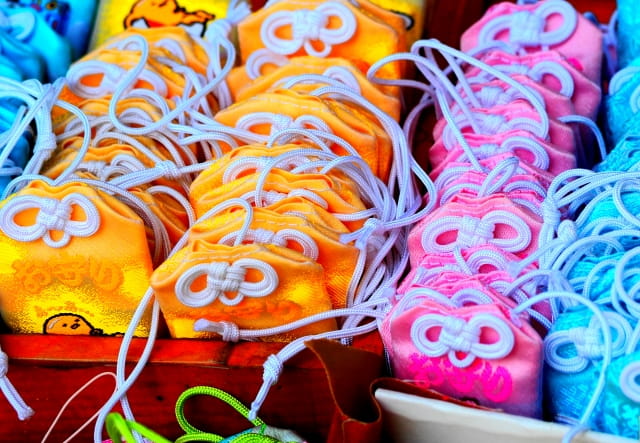
1. The Divine Meaning of Omamori
The origin of Omamori dates back thousands of years to ancient Japanese animism—the belief that divine spirits reside in all natural things.
In early times, travelers would carry small stones, soil, or plant cuttings from sacred areas inside a pouch to stay protected by local spirits.
Over time, this tradition evolved into carrying wooden or paper talismans inscribed with divine names.
By the Edo Period (1603–1867), the small, embroidered cloth bags we recognize today became widely popular among everyday people.
The essence of an Omamori lies in the sacred ritual (Kitō) performed by priests at the shrine or temple to consecrate it.
This process infuses the charm with divine energy.
Carrying an Omamori means inviting a divine spirit into your personal life—entering an intimate, 24/7 contract of protection with a deity.
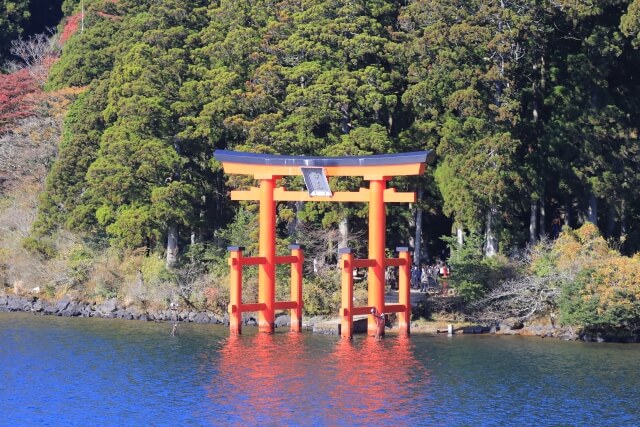
2. Finding Your Specific Blessing
Traditional Japanese spirituality encompasses Yaoyorozu no Kami—literally "eight million deities"—meaning spirits govern virtually every aspect of life.
Consequently, Omamori are tailored to specific desires and life goals:
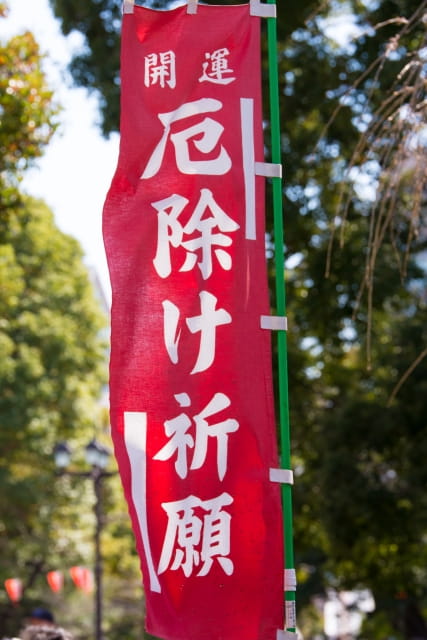
- Yakuyoke (Ward Off Evil / Bad Luck)
- Protects you during Yakudoshi (calamitous years in Japanese tradition) by creating a shield against bad luck and sudden misfortune.
- Kanai Anzen (Family Safety & Health)
- A foundational charm that promotes peace, good health, and harmonious energy within the home.
- Gakugyō Jōju (Academic Success)
- Ideal for students, professionals, and language learners aiming to pass exams, deepen knowledge, and perform under pressure.
- Enmusubi (Matchmaking & Connection)
- Not just for romantic love! This charm attracts all positive relationships, including business partners, lifelong friends, and ideal living situations.
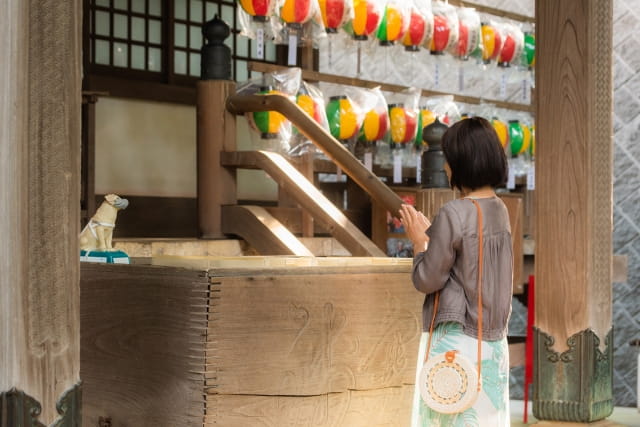
3. Proper Etiquette at Shinto Shrines
An Omamori is a sacred divine gift, the money you offer is not a "price."
It is called Hatsuho-ryō (a sacred offering of gratitude, historically the first harvest of rice) or O-fuse (a monetary offering).
Proper Shrine Etiquette
Before receiving an Omamori, always visit the main hall (Haiden) to pay your respects to the shrine’s deity first (bow twice, clap twice, bow once).
4. Never Open It! Rules, Taboos, and the Secret of the Seal
The absolute golden rule of Omamori is: Never open the pouch to peek inside.
Why is this taboo taken so seriously?
The complex knot tying the pouch shut acts as a sacred seal.
Inside lies the Naifu—a small wooden or paper tablet inscribed with sacred prayers or the deity's name.
Exposing this inner core to human eyes and casual sight is considered disrespectful, as it breaks the sanctity of the charm.
In Japanese spirituality, secrecy preserves and amplifies divine power.
The moment you open the pouch, the blessing is believed to escape and dissipate.
How to Treat Your Omamori Daily
- Occasionally express heartfelt gratitude to it; this strengthens your spiritual bond.
- Keep it close to you (inside a bag, wallet, or jacket pocket).
- Avoid placing it on the floor or in dirty places.
5. Unique and Evolving Omamori
Japanese spiritual traditions continuously adapt to modern life.
Today, shrines offer fascinating and creative charms tailored to contemporary needs:
| Omamori Type | Shrine / Location | Purpose |
| IT Safety Charm | Kanda Myojin Shrine (Tokyo) | Protects against system crashes, cyberattacks, and data leaks. Designed like a microchip or ID card holder. |
| Licca-chan Charm | Katori Shrine (Ibaraki) | Features Japan's famous fashion doll dressed as a shrine maiden (Miko). Promotes inner beauty and confidence. |
| Hair Protection Charm | Mikami Shrine (Kyoto) | Japan's only shrine dedicated to hair. Popular among hair stylists and those concerned about hair loss. |
| Golf Charm | Kijikoto Shrine (Fukuoka, etc.) | Pray for better scores, hole-in-ones, and safety on the green. Often shaped like tees or golf balls. |
| Aviation / Travel Charm | Hikō Shrine (Kyoto) | Designed like jet engines or airplane wings to safeguard flight crews and frequent flyers. |
| Pet Safety Charm | Ichigaya Kameoga Hachimangu (Tokyo) | Miniature charms attached to collars or leashes to protect pets from getting lost or sick. |
| Protection Against Abuse of Rights | Unazuki Shrine (Toyama) | Inspired by a famous Japanese legal landmark case. Protects against harassment and unfair legal claims (popular with law students!). |
6. Returning Your Charm from Abroad
Traditionally, an Omamori's spiritual energy lasts for one year.
After a year, or once your prayer has been answered, it is customary to return the charm to the shrine for a ritual burning called Otakiage, which symbolically returns the spirit back to the heavens with gratitude.
If you live overseas and cannot visit Japan within a year, don't worry!
Here is what you can do:
- Keep it until your next visit: Storing it respectfully in a clean place with a heart full of gratitude is completely acceptable.
- Return it by mail: Many major shrines accept returned charms via international mail. Write "Omamori Henno" (Return of Amulet) on the envelope.
- Purify and dispose at home: Place the charm on a clean piece of white paper, sprinkle a pinch of salt over it for purification, offer a word of thanks, and dispose of it respectfully.

7. Summary
An Omamori is far more than an embroidered piece of fabric.
It is a spiritual covenant—a reminder of your journey to Japan, your encounter with its ancient culture, and a deity’s promise of protection.
Observing proper etiquette, respecting the seal, and keeping the charm close to your heart transforms the experience into a mindful practice that brings peace and positive energy into your daily life.
On your next trip to Japan, take a moment to explore a local shrine and find the blessing that speaks to your soul!
What are we?
We run Ninja Experience Cafe in Tokyo, Kyoto and Osaka, Japan.
Here you can immerse yourself in Japanese culture through experiencing ninja training.
Both adults and children are welcome to try their hand at defeating the ninja master inside the cafe.
The cafe is an indoor interactive zone, so it can be enjoyed even on rainy days.
If you are thinking "I want to be a real ninja too!” or interested in becoming a real ninja, please visit us.
Reservations can be made here.
Unauthorized copying and replication of the contents of this site, text and images are strictly prohibited.