
Kunoichi: The Hidden Roles and Fascination of Japan's Female Ninja
 Shinobu
In Japanese history, the ninja, shadowy operatives who worked behind the scenes, have become beloved pop culture icons around the world.
Yet behind their fame lies another fascinating figure: the female ninja, known as the Kunoichi.
These women developed their own specialised methods and, at times, even influenced the course of history itself.
Many people imagine Kunoichi as agile female warriors defeating enemies through spectacular combat, an image shaped largely by films, television, and anime.
In reality, however, their greatest weapons were not swords, but information and psychology.
1. What is a Kunoichi?
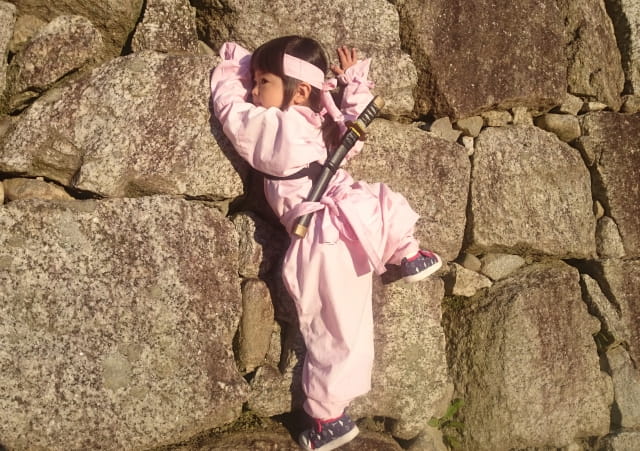
A Kunoichi is, simply put, a female ninja.
However, within the world of historical ninja, women were far more than merely female versions of male operatives.
They often served as specialised agents who used their gender as an advantage, gaining access to places that male ninja could never enter.
Their primary mission was intelligence gathering.
While modern audiences associate ninja with martial arts and ninjutsu, historical ninja manuals from the Edo period describe female operatives, known as Onna-shinobi, as possessing their own distinct methods and operational roles.

2. The Origin of the Word "Kunoichi"
Why are female ninja called Kunoichi?
The most widely accepted explanation comes from a clever Japanese wordplay based on the character for "woman" (女).
The character can be broken down into three symbols:
• く (hiragana)
• ノ (katakana)
• 一 (kanji)
When combined, these symbols form the character 女.
This coded expression may have been used as a discreet way to refer to female agents without revealing their identity.

3. The Role of the Kunoichi
The primary duties of a Kunoichi were espionage and deception.
It is often said that intelligence gathering accounted for most of a ninja's work, and female operatives were particularly skilled in this field.
Their main responsibilities included:
- Infiltration
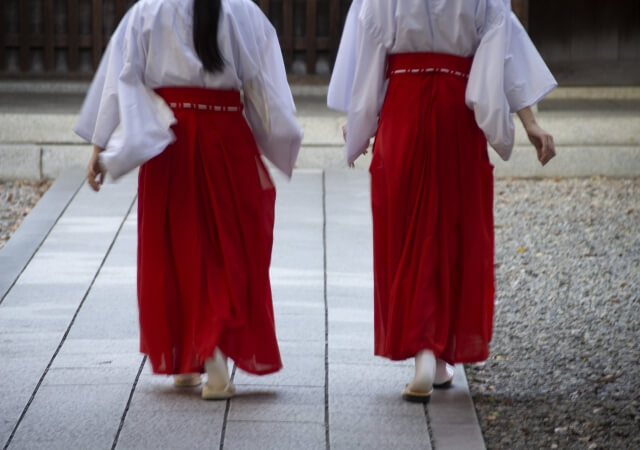
- Kunoichi could enter enemy castles and influential households disguised as maids, shrine maidens, entertainers, or servants, allowing them to gather information from within.
- Psychological Manipulation
- By earning the trust of their targets, they could obtain valuable intelligence that would otherwise remain inaccessible.
- Message Delivery
- Disguised as ordinary travellers, female agents could transport important communications between distant allies while attracting little suspicion.
4. The History of Kunoichi
The term "Kunoichi" appears mainly in Edo-period ninja manuals such as the Bansenshukai, one of the most famous texts on ninjutsu.
However, female intelligence operatives likely existed much earlier during the Sengoku period (15th to 16th centuries).
At the time, they were usually known by titles related to their specific occupations rather than by the name Kunoichi.
One famous example is the group known as the Aruki Miko, or travelling shrine maidens, who are believed to have worked under the command of the warlord Takeda Shingen.
Travelling throughout Japan, they collected information and reported their findings back to their lord.
As Japan entered the peaceful Edo period, the role of ninja gradually shifted away from warfare towards surveillance and security.
The image of the Kunoichi slowly moved from reality into folklore and legend.
5. How Kunoichi Fought
Kunoichi generally avoided direct physical confrontations with stronger opponents.
Instead, they relied on strategy, psychology, and specialised tools.
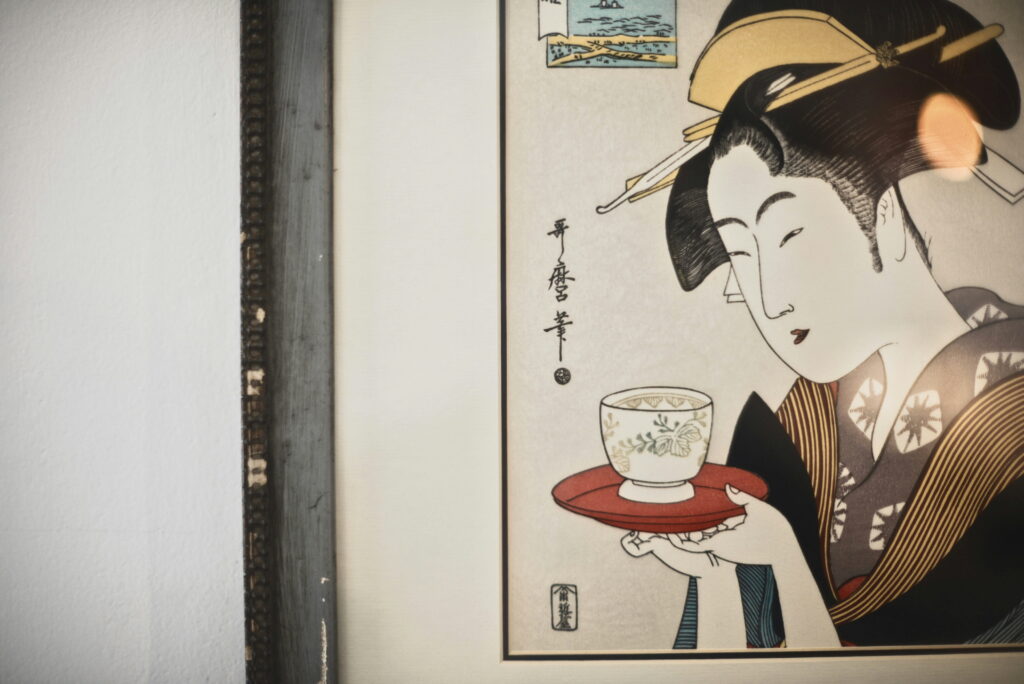
- Kanzashi
- Decorative hairpins could be transformed into concealed weapons in an instant.
- Tekkokagi
- These hidden claw-like devices could be concealed in the hand and used for close-range attacks.
- Poison
- Poisons could be administered discreetly through food or drink to incapacitate a target without drawing attention.
- Kunoichi no Jutsu
- Perhaps the most effective technique attributed to female ninja was the use of charm, trust-building, and psychological influence.
By gaining access to a target's inner circle and earning their confidence, they could unlock information that even the strongest fortress could not protect.

6. The Appeal of the Kunoichi
The appeal of the Kunoichi lies in the nature of their strength.
In an age when warriors settled conflicts through force, Kunoichi relied upon intelligence, patience, adaptability, and observation.
They worked in secrecy, remained unnoticed, and completed their missions with remarkable efficiency.
In many ways, they represented the ultimate professionals.
There is also a sense of tragedy attached to their lives.
Many concealed their true identities and spent years living behind carefully constructed disguises.
This combination of mystery, sacrifice, and dedication continues to captivate modern audiences.
7. Famous Kunoichi
- Mochizuki Chiyome
- Perhaps the most famous Kunoichi in Japanese history, Mochizuki Chiyome is said to have served Takeda Shingen.
- According to legend, she trained between 200 and 300 young women and established one of the largest intelligence networks of the Sengoku era.
- Hatsume no Tsubone
- A legendary female ninja associated with Ishida Mitsunari, one of Tokugawa Ieyasu's greatest rivals.
- Popular stories portray her as a tragic figure caught between loyalty, espionage, and forbidden love.
8. International Recognition: Kunochi as a Pop Icon
Once hidden in the shadows, the Kunoichi has become one of Japan's most recognisable female archetypes worldwide.
- A Symbol of Independent Strength
In many Western countries, Kunoichi are viewed not simply as female ninja, but as intelligent, capable, and independent heroes.
Rather than waiting to be rescued, they actively shape their own destinies through strategy and skill, making them powerful symbols of empowerment.
- The Spread of the Word "Kunoichi"
While "female ninja" was once the standard English term, the Japanese word "Kunoichi" is now increasingly used internationally.
This reflects growing recognition of the unique cultural identity associated with these historical figures.
- Influence on Games and Anime
Countless fictional characters have been inspired by the Kunoichi archetype.
Examples include Sakura Haruno and Hinata Hyuga from the anime series Naruto, Kasumi from Dead or Alive, and Psylocke from Marvel Comics.
Through such characters, Japanese concepts such as ninjutsu and kunai have entered global popular culture.
- The Balance Between History and Fantasy
For many international fans, the fascination of the Kunoichi comes from the blend of historical reality and fantasy.
Their stealth, secrecy, and mysterious techniques evoke a uniquely Japanese atmosphere that continues to inspire audiences around the world.
Examples include Sakura Haruno and Hinata Hyuga from the anime series Naruto, Kasumi from Dead or Alive, and Psylocke from Marvel Comics. If you'd like to explore more ninja characters like these, take a look at our guide to the best ninja anime of all time.
9. The Legacy of the Kunoichi
Today, Kunoichi continue to appear in anime, films, novels, and video games, introducing new generations to the world of ninja culture.
Yet their true legacy lies not in combat, but in the meaning of the word shinobu, "to endure" or "to persevere".
Their dedication, self-discipline, and ability to understand human psychology remain valuable qualities even in modern life.
Skills such as effective communication, emotional intelligence, and supporting a team from behind the scenes reflect principles that Kunoichi embodied centuries ago.
Visitors to Japan who wish to explore this history can travel to the historic ninja regions of Iga in Mie Prefecture and Koka in Shiga Prefecture.
Even today, these places preserve the atmosphere of the world where ninja once operated.

10. Summary
From their origins and historical roles to their global popularity today, the Kunoichi represent one of the most fascinating aspects of Japanese culture.
Far more than female warriors, they were masters of intelligence, psychology, and adaptation.
Their stories continue to inspire audiences around the world and offer a unique perspective on the history of Japan.
If reading about Kunoichi has sparked your interest, why not experience ninja culture for yourself?
Japan is home to several ninja experience cafes and interactive attractions where visitors can step into the world of ninja and discover this remarkable tradition firsthand.
What are we?
We run Ninja Experience Cafe in Tokyo, Kyoto and Osaka, Japan.
Here you can immerse yourself in Japanese culture through experiencing ninja training.
Both adults and children are welcome to try their hand at defeating the ninja master inside the cafe.
The cafe is an indoor interactive zone, so it can be enjoyed even on rainy days.
If you are thinking "I want to be a real ninja too!” or interested in becoming a real ninja, please visit us.
Reservations can be made here.
Unauthorized copying and replication of the contents of this site, text and images are strictly prohibited.