
A Guide to 4 World Heritage Sites in the Kanto Region
 Shinobu
Did you know that the Kanto region, the gateway to Japan for many international travelers, is home to several remarkable World Heritage Sites?
This guide introduces four extraordinary destinations for visitors interested in Japanese culture, history, architecture, and nature.
From a magnificent shrine dedicated to a powerful shogun, to an industrial site that helped modernize Japan.
From a world famous architectural masterpiece in the heart of Tokyo, to remote islands with a unique ecosystem.
Each site tells its own story and reveals the cultural or natural value that Japan proudly shares with the world.
1. The Splendor of Edo Culture: Nikkō Tōshōgū
Located in Nikko City in Tochigi Prefecture, Nikkō Tōshōgū is a shrine dedicated to Tokugawa Ieyasu, the founder of the Edo shogunate.
In 1999 it became part of the UNESCO World Heritage site “Shrines and Temples of Nikko,” together with Futarasan Shrine and Rinno-ji.
The most famous feature is the Yomeimon Gate, decorated with more than 500 detailed carvings. Its beauty earned it the nickname “the gate you could watch all day.”
Visitors also look for the famous Three Wise Monkeys and the small Sleeping Cat carving, both rich in symbolism.
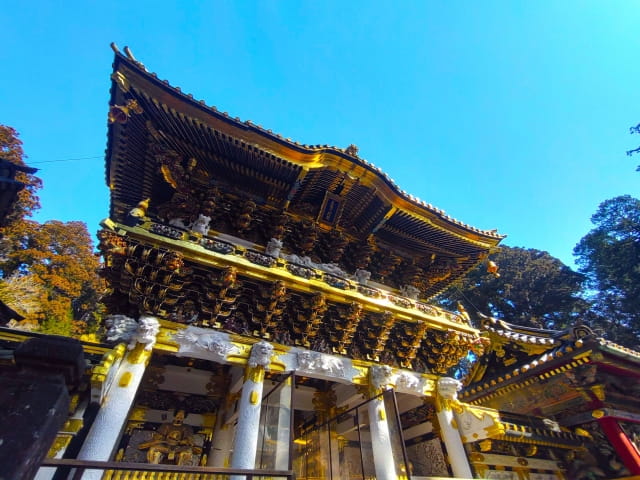
The entire complex shines with vivid lacquer colors and gold leaf.
It stands as one of the most lavish examples of religious architecture in Japan.
Master craftsmen from across the country gathered here and contributed their highest level of artistry.
The shrine layout also uses the surrounding natural terrain skillfully, creating a sacred atmosphere that visitors feel immediately upon arrival.
Although it can be visited on a day trip from Tokyo, staying overnight allows travelers to fully appreciate its history and artistic richness.
Nikko Toshogu Official Website
2. Where Japan’s Modernization Began: Tomioka Silk Mill
Located in Gunma Prefecture, Tomioka Silk Mill is a key symbol of Japan’s industrial modernization.
It was established in 1872 by the Japanese government during the early Meiji era.
The goal was to modernize silk production using advanced technology imported from France.
In 2014 the site was registered as the UNESCO World Heritage property “Tomioka Silk Mill and Related Sites.”
The main reeling hall stretches about 140 meters, showing the scale of silk production at the time.
Its unique wooden brick construction blends Japanese and Western techniques.
High quality silk produced here was exported worldwide, helping strengthen Japan’s economy and global reputation.
Tomioka Silk Mill Official Website
3. A Museum of Light Designed by a Master: National Museum of Western Art
Located in Ueno Park in central Tokyo, the National Museum of Western Art is itself a World Heritage Site.
It was designed by the renowned architect Le Corbusier and is the only building by him in Japan.
In 2016 the museum was included in the UNESCO listing “The Architectural Work of Le Corbusier.”
The design reflects his ideas about modern architecture.
The piloti structure raises the building on columns, creating an open space at ground level.
Inside, galleries are arranged around a central hall and illuminated by carefully designed skylights.
The museum influenced many Japanese architects after World War II.
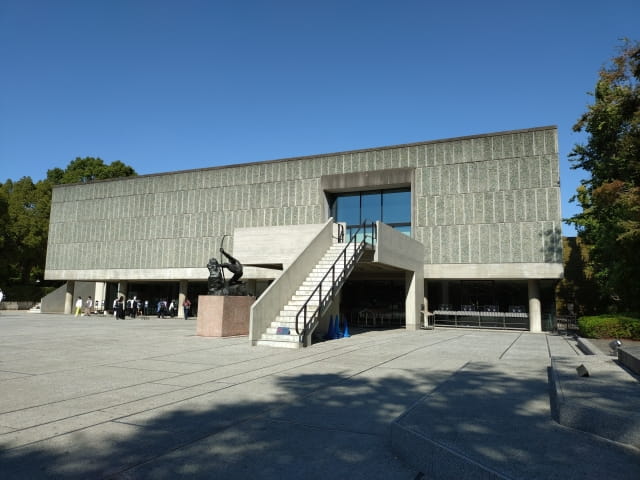
Visitors can also enjoy important works of Western art from the Matsukata Collection.
National Museum of Western Art Official Website
4. The Galápagos of the East: Ogasawara Islands
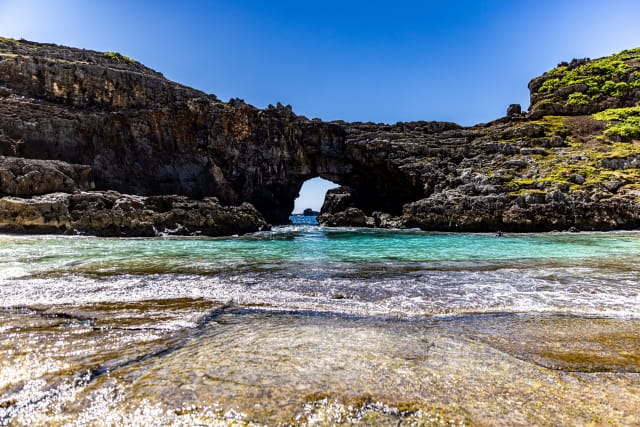
The Ogasawara Islands lie about 1,000 kilometers south of Tokyo in the Pacific Ocean.
Although they belong to Tokyo administratively, they are extremely remote.
They were designated a UNESCO World Natural Heritage Site in 2011.
Because the islands were never connected to a continent, they developed a unique ecosystem.
Many plants and animals are endemic species found nowhere else, giving the islands the nickname “the Galápagos of the East.”
The only way to reach them is by the ferry Ogasawara Maru from Takeshiba Pier in Tokyo, a journey of about 24 hours.
The surrounding waters are famous for their deep blue color known as Bonin Blue.
Dolphin encounters, whale watching, and eco tours are popular ways to experience the islands’ remarkable nature.
Ogasawara Islands Official Website
5. Summary
In this article we explored four World Heritage Sites located in and around the Kanto region.
Together these sites demonstrate the cultural and natural diversity that Japan proudly shares with the world.
If you are visiting the Kanto region, consider adding these destinations to your itinerary.
Each one offers a deeper story and a richer understanding of Japan’s heritage.
Seeing these places with your own eyes will make your journey far more meaningful.
What are we?
We run Ninja Experience Cafe in Tokyo, Kyoto and Osaka, Japan.
Here you can immerse yourself in Japanese culture through experiencing ninja training.
Both adults and children are welcome to try their hand at defeating the ninja master inside the cafe.
The cafe is an indoor interactive zone, so it can be enjoyed even on rainy days.
If you are thinking "I want to be a real ninja too!” or interested in becoming a real ninja, please visit us.
Reservations can be made here.
Unauthorized copying and replication of the contents of this site, text and images are strictly prohibited.