Tokyo Culture Travel Guide Around the Yamanote Line
 Shinobu
The Yamanote Line, Tokyo’s iconic loop railway, is a convenient route that connects the city’s major destinations.
In about one hour, you can circle the entire line and enjoy everything from the latest trends to traditional culture in a single trip.
From the trendy districts of Shibuya and Harajuku, to the bustling areas of Shinjuku and Ikebukuro, and the traditional downtown culture of Ueno and Asakusa, we explain efficient ways to explore and recommended experiences in detail.
Along the way, be sure to stop by popular attractions among international visitors, such as a Ninja Experience Cafe and Food Sample Making Cafe.
- What is the Yamanote Line? A circular journey around Tokyo
- One-day Tokyo loop itinerary: recommended route
- Shibuya & Harajuku area: youth culture and experience spots
- Shinjuku & Ikebukuro area: centres of energy and food
- Ueno & Asakusa area: experience traditional culture and craftsmanship
- Tips and notes for enjoying Tokyo sightseeing
- Summary
1. What is the Yamanote Line? A circular journey around Tokyo
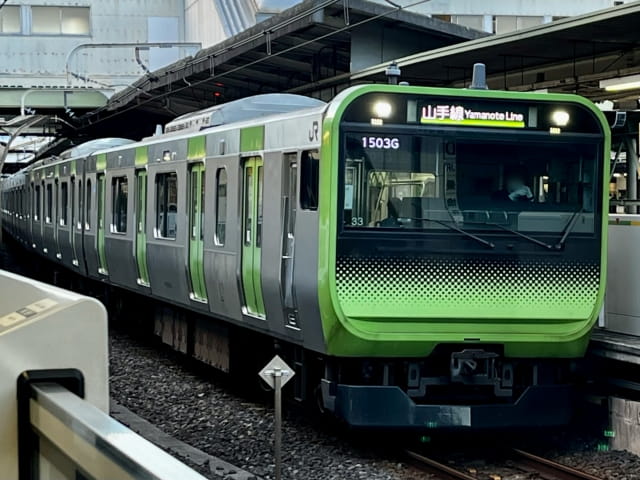
The Yamanote Line is one of JR East’s main railway lines, running in a loop through central Tokyo.
It covers approximately 34.5 km and completes a full circle of its 29 stations in about one hour.
Major stations are home to many sightseeing spots, shopping areas, and restaurants, making it a “circular route where you can experience Tokyo in a single day.”
Trains run frequently, about every three minutes, so you can board without long waits at almost any time.
From the windows, you can see a continuous transition between clusters of skyscrapers and traditional neighbourhoods, allowing you to enjoy Tokyo’s diverse character throughout your journey.
2. One-day Tokyo loop itinerary: recommended route
For an efficient trip, it is recommended to start in the morning from Tokyo Station or Ueno Station.
If you travel clockwise, you can enjoy shopping in Shibuya and Harajuku in the morning, and cultural experiences in Ueno and Asakusa in the afternoon.
Recommended route:
Tokyo → Shibuya → Harajuku → Shinjuku → Ikebukuro → Ueno → Asakusa (on foot or by subway) → Tokyo
By purchasing a one-day JR pass, you can travel more economically.
The appeal of the Yamanote Line lies in the short travel times and the variety of experiences available within a compact route.
3. Shibuya & Harajuku area: youth culture and experience spots
In Shibuya, begin with the famous “Scramble Crossing.”
This crossing frequently appears in Japanese dramas and films, and is one of the busiest pedestrian intersections in the world, where you can feel the energy of Tokyo.
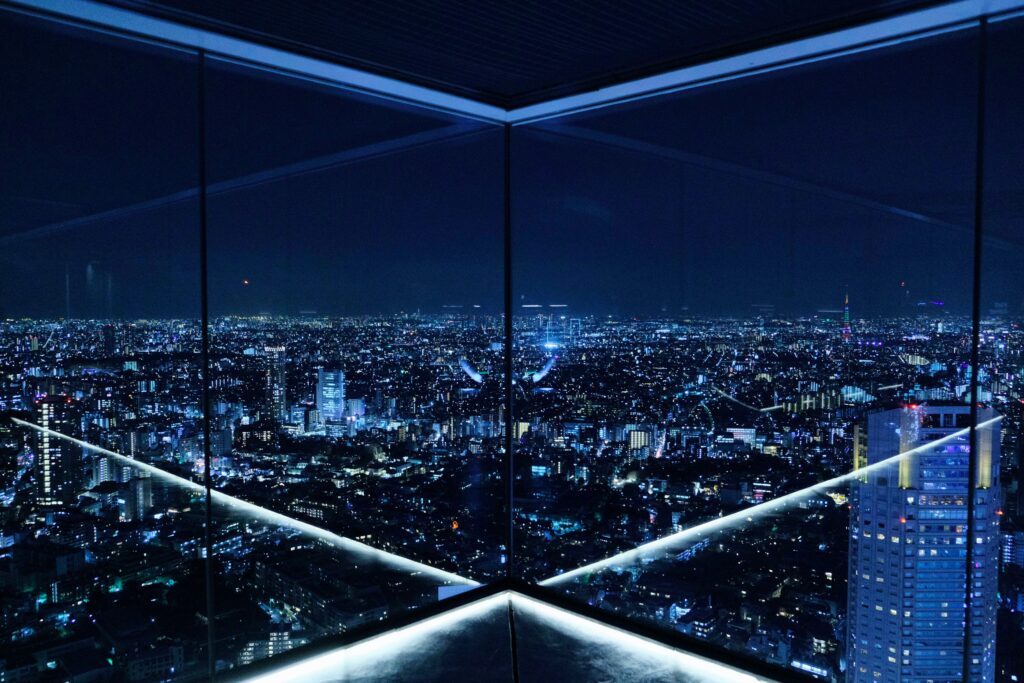
Shibuya Sky
Next, head to “Shibuya Sky” for a panoramic view of the city.
From the rooftop observation deck, you may even see Mount Fuji on a clear day.
There is also a retro-modern lounge on the 45th and 46th floors, which is ideal for a short break.
Hours: 10:00–22:30 (last entry 21:20)
English support: Available
Price (same-day ticket):
Adults: 3000 yen (3700 yen after 15:00)
Children: 1200 yen (same-day counter only)
Shibuya Sky Official Website
Ninja Experience Cafe Harajuku
Afterwards, move to Harajuku.
Takeshita Street, a well-known spot, is a lively street filled with colourful sweets and unique fashion.
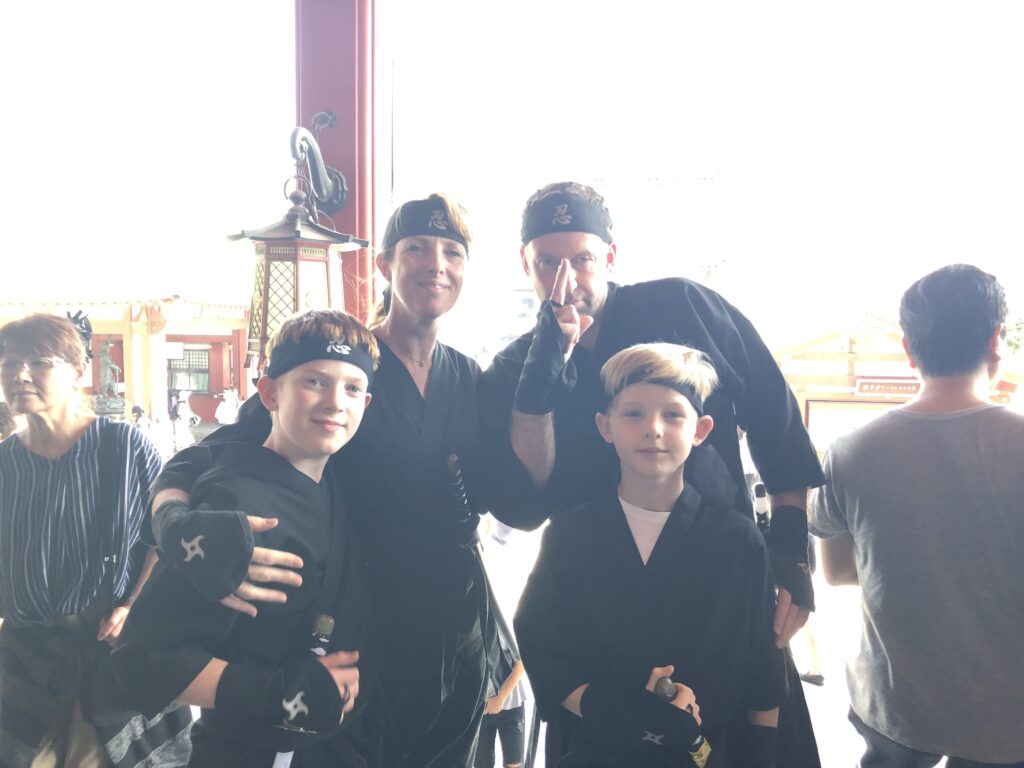
Here, a “ninja experience cafe” popular among international visitors is highly recommended.
Ninjas were specialised agents in Japan’s feudal era who conducted intelligence gathering and infiltration.
At the café, you can wear ninja costumes and try three types of ninja training: shuriken throwing, blowgun shooting, and sword techniques.
You can also enjoy themed menu items such as ninja curry and ninja desserts.
Taking photos in ninja attire makes for a memorable souvenir of your trip.
Hours: Daily 10:00–21:00 (last order 19:30)
English support: Available
Price: From 3500 yen (reservation required online)
Ninja Experience Cafe Official Website
4. Shinjuku & Ikebukuro area: centres of energy and food
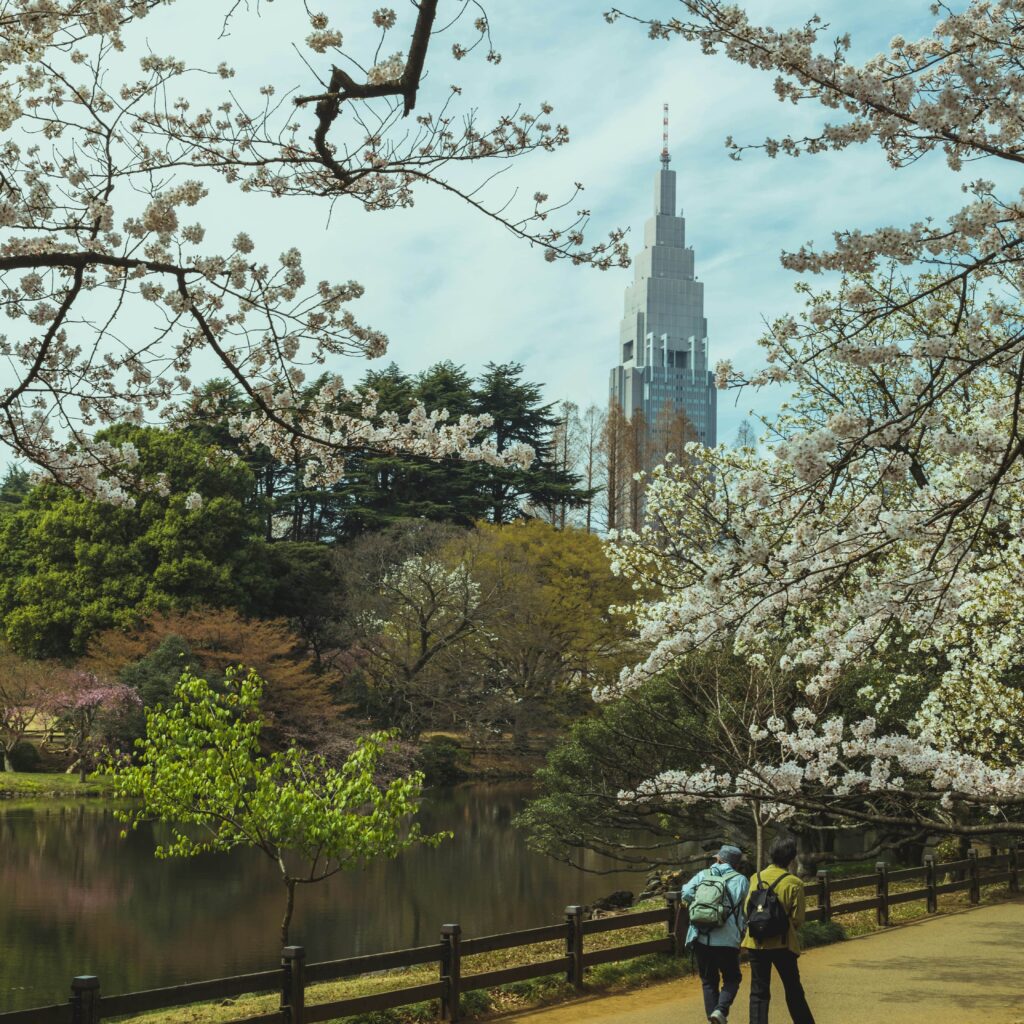
Shinjuku Gyoen
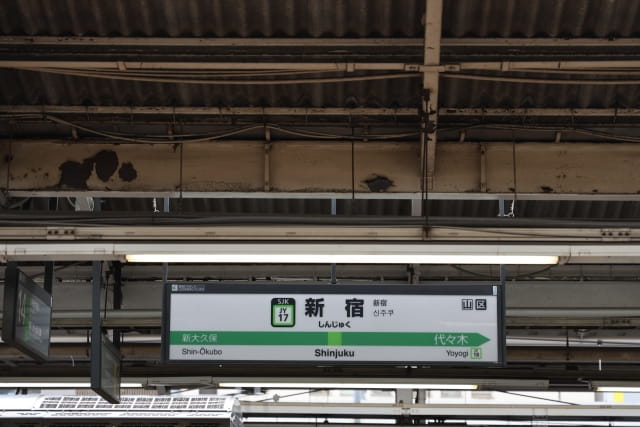
Shinjuku Station is the busiest transport hub in Japan.
Nearby, Shinjuku Gyoen offers a calm natural space where you can forget the noise of the city.
Cherry blossoms in spring and autumn foliage are especially beautiful, making it worth visiting throughout the year.
Hours: 9:00 opening (closed Mondays and year-end holidays)
Closing time varies by season
English support: Available
Admission:
Adults 500 yen (400 yen for groups of 30+)
65+ 250 yen / Students 250 yen / Children free
Shinjuku Gyoen Official Website
Omoide Yokocho
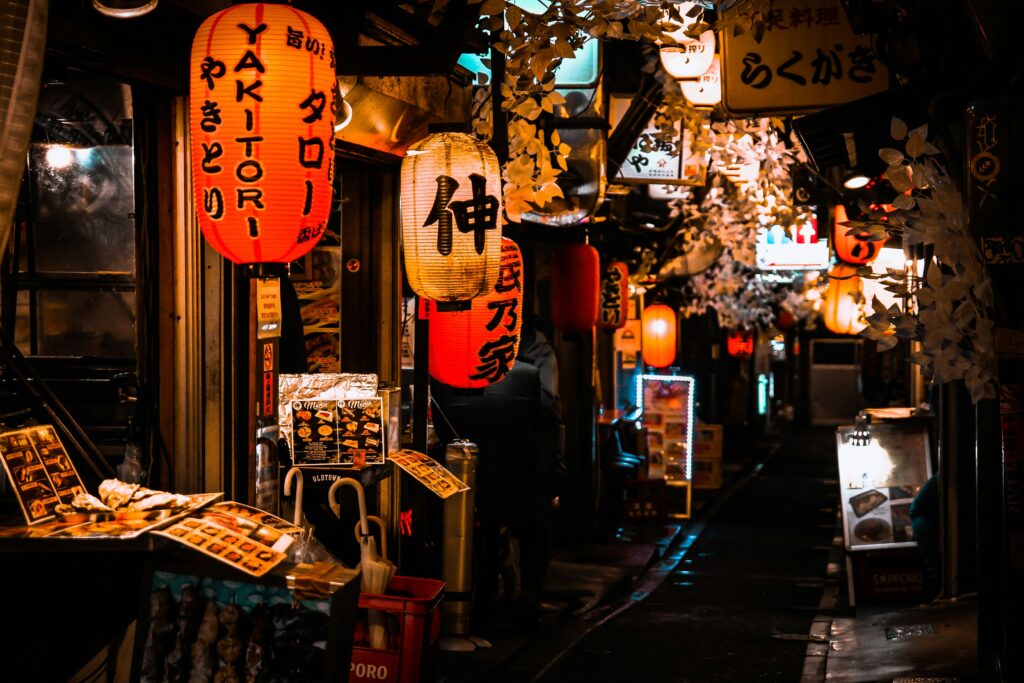
For lunch, visit Omoide Yokocho near Shinjuku’s west exit.
This narrow alley is lined with traditional eateries specialising in grilled offal and yakitori, and is popular with international visitors.
Omoide Yokocho Official Website
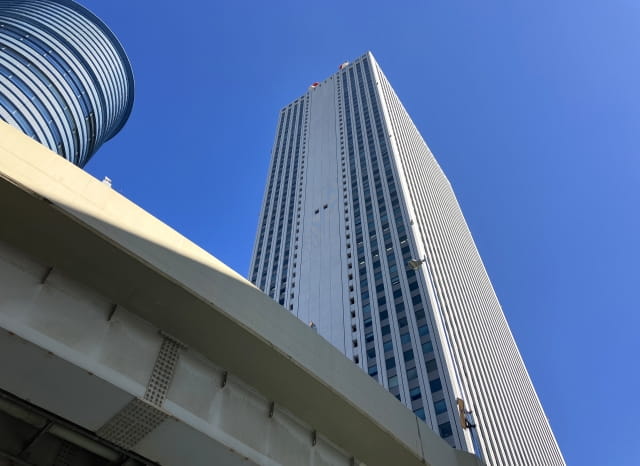
Sunshine City
In Ikebukuro, enjoy shopping at Sunshine City.
It also features an aquarium and an observation deck, making it popular with families.
Hours:
Weekdays 10:00–19:00 (until 18:00 in autumn and winter)
Weekends 9:30–20:00 (until 18:00 in autumn and winter)
English support: Available
Price: Adults from 2600 yen, children 1300 yen, ages 4+ 800 yen
Sunshine City Official Website
5. Ueno & Asakusa area: experience traditional culture and craftsmanship
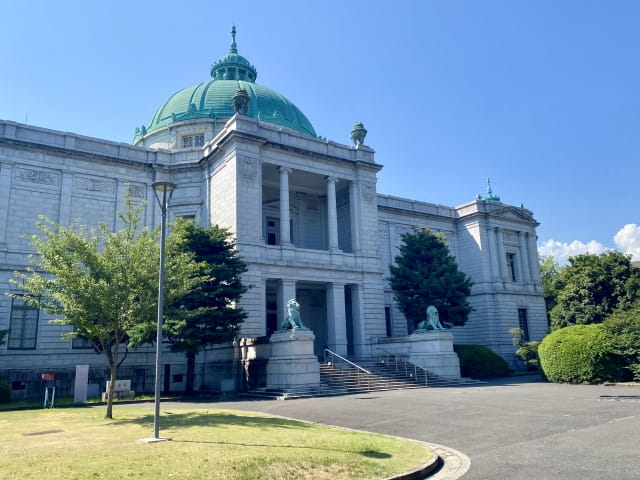
Tokyo National Museum
Ueno is known as a centre of culture and art.
Ueno Park is home to the Tokyo National Museum and a zoo, where you can experience both Japanese history and nature.
Hours: 9:30–17:00 (until 20:00 on Fridays and Saturdays in principle)
English support: Available
Admission: Adults 1000 yen, university students 500 yen, under 18 and over 70 free
Tokyo National Museum Official Website
Sensoji Temple
From Ueno, Asakusa is about 10 minutes away via the Tokyo Metro Ginza Line.
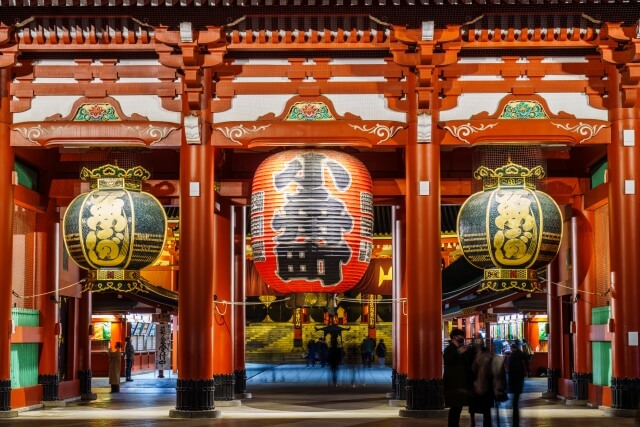
Senso-ji Temple is the oldest temple in Tokyo, famous for the large lantern at Kaminarimon Gate.
Nakamise Street is lined with souvenir shops and traditional sweets, offering a classic Japanese atmosphere.
Sensoji Temple Official Website
Food Sample Making Cafe
Here, a “food replica making café” is recommended.
Food replicas are realistic sample dishes displayed outside restaurants.
Many are handmade, and here you can experience making them yourself.
You can take your finished creation home as a souvenir.
Hours: 10:00–17:00 (until 18:00 on Saturdays)
English support: Available
Price: From 4600 yen (companions from 1000 yen)
Food Sample Making Cafe Official Website
6. Tips and notes for enjoying Tokyo sightseeing
- Start early:
Tourist spots are less crowded in the morning.
However, check opening hours in advance, as some facilities may not be open very early. - Use IC cards:
Using Suica or PASMO allows smooth travel.
With Suica, you can also use passes such as the Tokyo Free Ticket or Tokunai Pass for unlimited rides within a day. - Travel light:
Using coin lockers is convenient. - Etiquette:
Eating while walking may be prohibited in some areas.
Be careful not to obstruct others when taking photos.
7. Summary
The Yamanote Line is an ideal route for experiencing Tokyo’s diverse attractions in one day.
Feel the trends in Shibuya and Harajuku, enjoy food and city energy in Shinjuku and Ikebukuro, and experience traditional culture in Ueno and Asakusa.
A full loop journey allows you to enjoy both quiet and lively places, as well as modern and traditional atmospheres.
On your next visit to Tokyo, why not set out on a Yamanote Line adventure?
What are we?
We run Ninja Experience Cafe in Tokyo, Kyoto and Osaka, Japan.
Here you can immerse yourself in Japanese culture through experiencing ninja training.
Both adults and children are welcome to try their hand at defeating the ninja master inside the cafe.
The cafe is an indoor interactive zone, so it can be enjoyed even on rainy days.
If you are thinking "I want to be a real ninja too!” or interested in becoming a real ninja, please visit us.
Reservations can be made here.
Unauthorized copying and replication of the contents of this site, text and images are strictly prohibited.