Morning Kyoto Route: Enjoy the City While Avoiding the Crowds
 Shinobu
Kyoto’s beauty is known around the world, but in recent years overcrowding at major tourist sites has become a serious issue.
It would be a great waste if your long-awaited trip to Japan ended with nothing more than being swept along in a sea of people.
However, with just a slight change in perspective, Kyoto reveals a surprisingly and mysterious side.
The keys are making use of early weekend mornings, choosing the off-season, and adopting a smart transportation strategy.
By deliberately avoiding ultra-popular spots such as Kiyomizu-dera and Fushimi Inari, and instead visiting lesser-known destinations loved by experienced travelers, you can encounter the true quietness of Kyoto.
- Golden Rules for Avoiding Crowds: Early Morning and Off-Season Visits
- Smart Transportation: Using Real-Time Crowd Information
- Rurikoin Temple and Mount Hiei: Immerse Yourself in Greenery in the Yase Area
- Myoshin-ji and Taizo-in: Exploring Zen Spirit and Seasonal Gardens
- Chisan-in: Morning Prayers and Magnificent Sliding Door Paintings
- Heian Shrine: Communing with Seasonal Flowers in a Vast Garden
- Kifune Shrine: A Sacred Water Site of Green Maple Leaves
- Kurama-dera: A Hike to Experience Mountain Worship Energy
- Daikaku-ji: The Scenic Pond Loved by Heian Aristocrats
- Model Course: A One-Day Kyoto Plan
- Summary
1. Golden Rules for Avoiding Crowds: Early Morning and Off-Season Visits
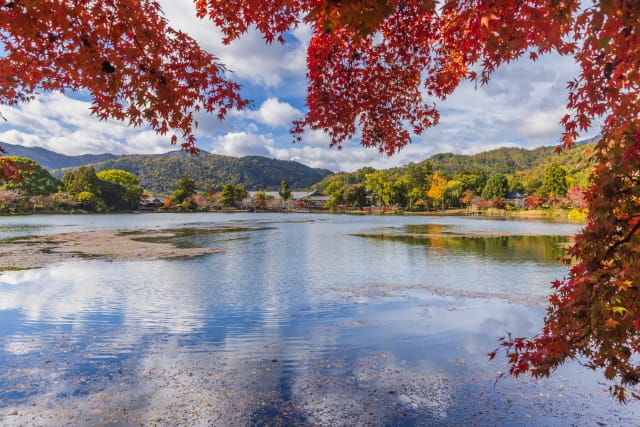
The most important secret to successful sightseeing in Kyoto is to start your day before other tourists begin moving.
Even on weekends, many temples and streets retain their natural quietness between 7:00 and 9:00 a.m.
Receiving a goshuin in the crisp morning air or walking along an empty approach path becomes an irreplaceable luxury.
It is also wise to avoid peak seasons and instead visit during quieter periods such as May, when fresh greenery appears, or January and February, when the cold air creates a dignified atmosphere.
2. Smart Transportation: Using Real-Time Crowd Information
Kyoto’s buses are convenient, but depending on the route they can become extremely crowded.
A useful tool is the official Kyoto City tourism map which shows how congested various tourist spots are.
This site allows you to check crowd forecasts and real-time conditions by area.
By reviewing less crowded routes in advance, you can avoid unnecessary congestion and travel efficiently.
Kyoto City Tourism Congestion Map Official Website
3. Rurikoin Temple and Mount Hiei: Immerse Yourself in Greenery in the Yase Area
Located at the foot of Mount Hiei, Rurikoin is open to the public only during limited periods, but its beauty is breathtaking.
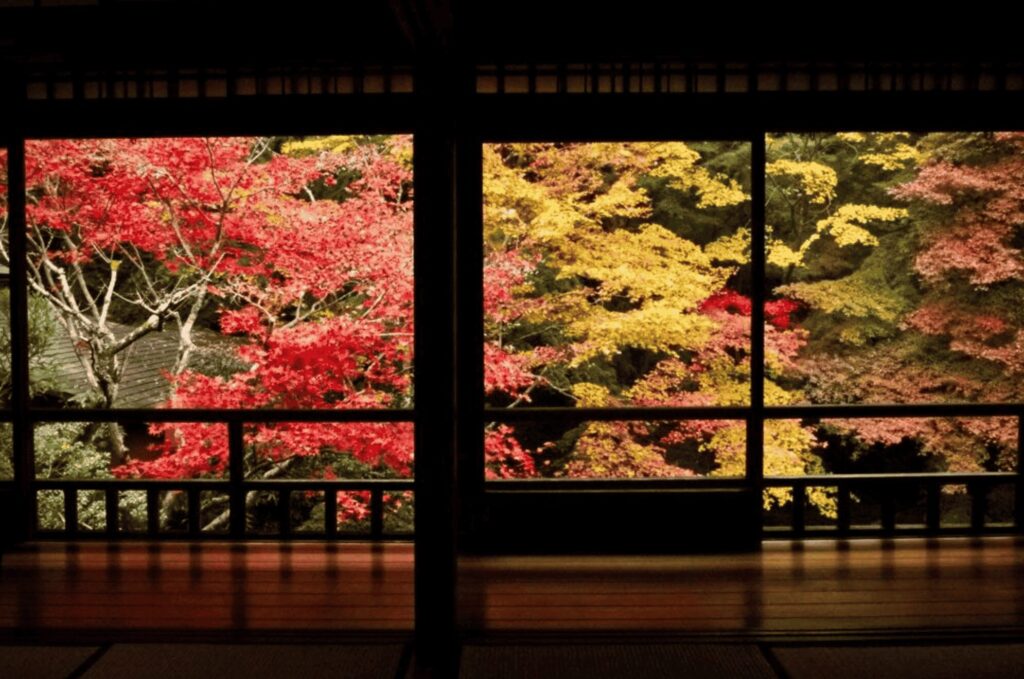
The polished desk on the second floor of the study hall reflects the trees outside like a mirror, a view that has become widely popular on social media.
During the seasons of green maple leaves and autumn foliage, the reflected light fills the entire room, creating an immersive experience unique to this place.
Access: About a 5-minute walk from Yase-Hieizan-guchi Station on the Eizan Electric Railway Main Line.
Rurikoin Temple Official Website
4. Myoshin-ji and Taizo-in: Exploring Zen Spirit and Seasonal Gardens
Myoshin-ji is the largest Zen temple complex in Japan, and it is relatively uncrowded, allowing visitors to calmly immerse themselves in the world of Zen.
Taizo-in is especially recommended.
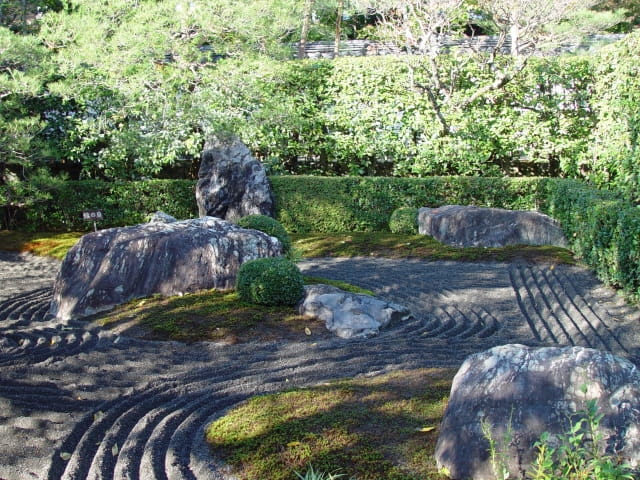
Here you can enjoy both the dry landscape garden known as “Motonobu’s Garden,” which resembles an ink painting, and the Showa-era masterpiece garden “Yoko-en.”
The gardens, filled with seasonal flowers, provide a quiet environment ideal for reflection.
Access: About a 5-minute walk from Hanazono Station on the JR Sagano Line, or about a 3-minute walk from Myoshin-ji Station on the Keifuku Railway.
Taizo-in Temple Official Website
5. Chisan-in: Morning Prayers and Magnificent Sliding Door Paintings
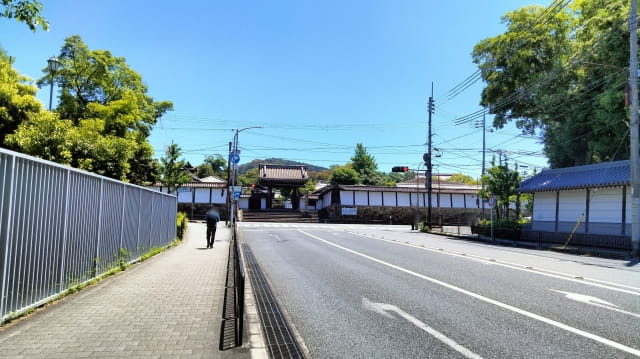
Although located in the Higashiyama area, Chishaku-in is surprisingly quiet.
Its greatest highlight is the magnificent sliding door paintings by Hasegawa Tohaku and others, designated as National Treasures.
Visitors can also freely attend the morning service known as “Oasaji,” where the powerful chanting of monks creates a solemn atmosphere.
Access: From Kyoto Station, take a city bus (such as routes 206 or 208) to Higashiyama Shichijo, then walk about 3 minutes.
Chisan-in Temple Official Website
6. Heian Shrine: Communing with Seasonal Flowers in a Vast Garden
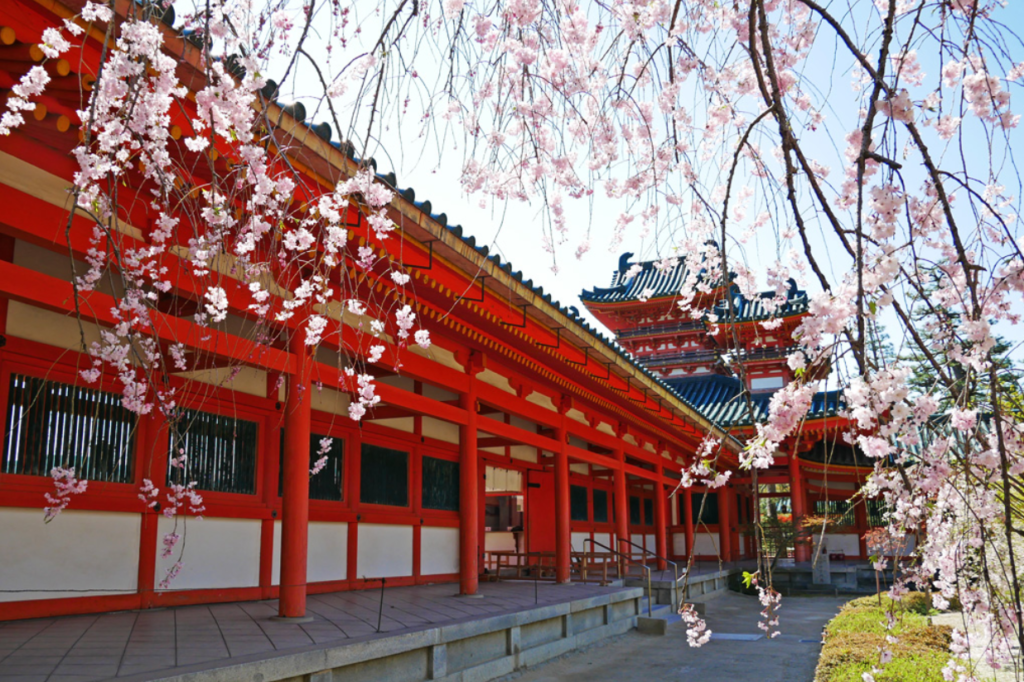
Founded in 1895, Heian Shrine features expansive grounds where visitors can explore at a relaxed pace even on weekends.
The surrounding garden, known as the “Shinen,” is a representative Japanese garden of the Meiji period.
The view of the pond from the Taihei-kaku bridge hall in the east garden represents the ideal of modern Kyoto aesthetics.
In early summer, irises and water lilies bloom, reflecting on the water and creating a paradise-like scene in the middle of the city.
Access: About a 10-minute walk from Higashiyama Station on the subway Tozai Line, or about 15 minutes on foot from Sanjo or Jingu-Marutamachi Stations on the Keihan Line.
Heian Shrine Official Website
7. Kifune Shrine: A Sacred Water Site of Green Maple Leaves
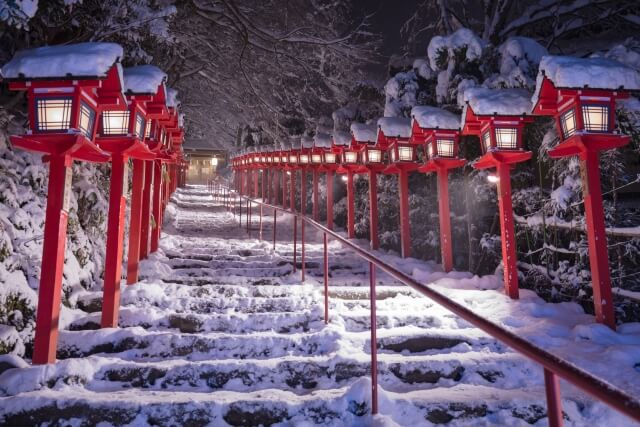
Located in the mountains in northern Kyoto, Kifune Shrine enshrines the deity of water and is considered one of Japan’s most powerful spiritual spots.
The contrast between vermilion lanterns along the approach and the deep surrounding greenery is especially beautiful.
In summer, it serves as a cool retreat.
The “water fortune slips,” where characters appear when placed in water, are a unique experience.
Visiting early in the morning allows you to hear the stream more clearly and feel the sacred atmosphere.
Access: From Kibuneguchi Station on the Eizan Railway Kurama Line, transfer to a Kyoto bus, get off at Kifune, then walk about 5 minutes.
Kifune Shrine Official Website
8. Kurama-dera: A Hike to Experience Mountain Worship Energy
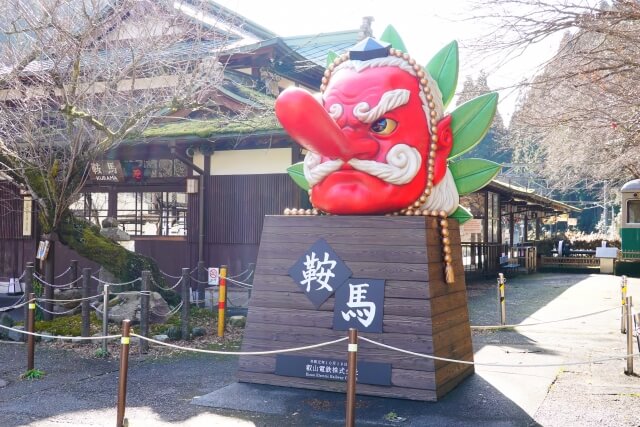
Located next to Kifune Shrine, Kurama-dera is famous as the place where Ushiwakamaru (Minamoto no Yoshitsune) is said to have trained.
The mountain path from the Niomon gate to the main hall is filled with nature and towering ancient trees.
In front of the main hall is the “Kongo Floor,” believed to be a point where cosmic energy gathers.
The hiking route connecting Kifune and Kurama is an activity that gradually clears the mind as you walk.
Access: From Kurama Station on the Eizan Railway, walk to the main hall or use the cable car.
Kuramadera Temple Official Website
9. Daikaku-ji: The Scenic Pond Loved by Heian Aristocrats
Located in Sagano, Daikaku-ji is a prestigious temple once used as an imperial residence.
The Osawa Pond within its grounds is Japan’s oldest artificial pond and was a site where Heian aristocrats enjoyed moon-viewing banquets.
Walking around the vast pond allows you to completely forget the crowds of the city.
The elegant architecture and seasonal flower arrangements displayed along the corridors convey the refined culture of the Heian period.
Access: About a 20-minute walk from Saga-Arashiyama Station on the JR Sagano Line, or directly from the Daikaku-ji bus stop.
Daikokuji Temple Official Website
10. Model Course: A One-Day Kyoto Plan
We present the ultimate one-day itinerary that skillfully avoids weekend crowds while allowing you to fully enjoy Kyoto at your own pace.
07:00 @ Chisan-in Temple
Start your day by attending the morning service known as Oasaji.
As the clear sound of sutra chanting echoes through the air, take a moment to center yourself.
08:30 @ Heian Shrine
Stroll through the Shin-en garden before it becomes crowded.
Enjoy the quiet view of the pond from the covered bridge pavilion.
10:30 @ Rurikoin Temple
Head to Yase in time for your reserved entry.
Capture the breathtaking reflections of the scenery in the window on camera.
12:00 @ Kurama or Kifune
Travel further north via the Eizan Railway.
At Kurama Temple, you can recharge your energy, while at Kifune Shrine, you can try the unique “water fortune” (mizumikuji).
For lunch, enjoy riverside dining on a kawadoko platform or at a tea house along the stream.
(Considering travel time, it is best to choose one of the two.)
15:00 @ Daikakuji Temple
Move to the Sagano area near Arashiyama.
Spend a quiet moment by Osawa Pond, where time seems unchanged since the Heian period.
17:00 @ Myoshinji Temple / Taizoin Temple
Visit a Zen temple in the evening hours.
Relax and unwind while gazing at the garden as it transitions into dusk.
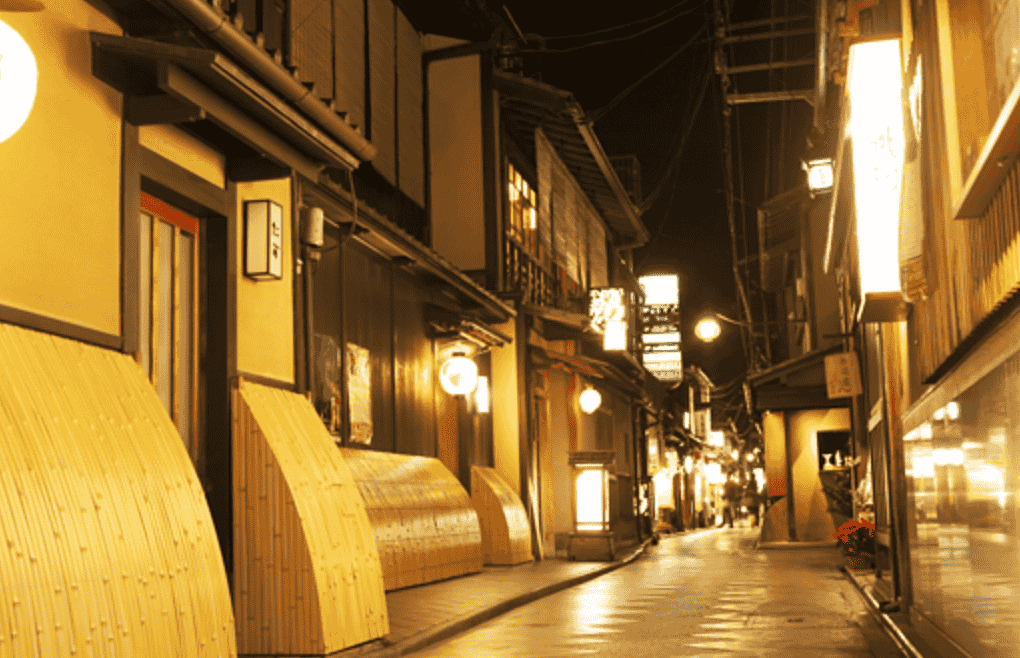
19:00 @ Pontocho / Gion Backstreets
In the evening, check the crowd comfort map and head to relatively quiet alleys.
Stroll through lantern-lit historic streets and enjoy a Kyoto-style dinner.
11. Summary
Kyoto’s true charm reveals itself in moments when human voices fade, and only the sound of the wind and birds remains.
By waking early, using up-to-date information, and intentionally stepping beyond the typical tourist spots, you can transform your trip into something far more refined and meaningful.
With just a bit of thoughtful planning, your journey in Japan can become both deeply luxurious and creatively fulfilling.
Now, with a camera in hand, step into the quiet streets of Kyoto before the crowds arrive—and discover a sense of stillness that is entirely your own.
What are we?
We run Ninja Experience Cafe in Tokyo, Kyoto and Osaka, Japan.
Here you can immerse yourself in Japanese culture through experiencing ninja training.
Both adults and children are welcome to try their hand at defeating the ninja master inside the cafe.
The cafe is an indoor interactive zone, so it can be enjoyed even on rainy days.
If you are thinking "I want to be a real ninja too!” or interested in becoming a real ninja, please visit us.
Reservations can be made here.
Unauthorized copying and replication of the contents of this site, text and images are strictly prohibited.