Historical Spots in Kanto Where You Can Experience Edo Japan
 Shinobu
Japan during the Edo period was an era in which peace under the Tokugawa shogunate lasted for more than 260 years, allowing a unique culture to flourish.
Samurai, ukiyo-e woodblock prints, kabuki theatre, and the lively everyday lives of common people all helped shape the foundations of modernJapanese culture.
In Tokyo and the wider Kanto region, there are many incredible places where historical townscapes from the Edo period have either been preserved or carefully recreated.
In this article, we introduce seven carefully selected historical spots in and around Tokyo where you can feel as though you have travelled back in time to the Edo period.
We will also explain the highlights of each location and how to access them today, helping you plan your trip to Japan.
- Edo Period (1603–1868): Society, Culture, and Architecture
- Kawagoe, the Storehouse Town Known as “Little Edo” (Saitama)
- Asakusa Shrine, a Spiritual Power Spot Connected to Tokugawa Ieyasu (Tokyo)
- Edo Wonderland Nikko Edomura, a Theme Park Where You Can Meet Samurai and Ninja (Tochigi)
- Edo-Tokyo Museum, the Entire Building Preserves Edo’s Memory (Tokyo)
- Fukagawa Edo Museum, Experience the Lives of Common People (Tokyo)
- Ota Memorial Museum of Art, Discover the Beauty of Ukiyo-e (Tokyo)
- Experience Ninja Culture in Modern Times at Ninja Cafe Harajuku (Tokyo)
- Summary
1. Edo Period (1603–1868): Society, Culture, and Architecture
Before exploring historical spots in Kanto, it is worth understanding what kind of era the Edo period actually was.
Knowing these characteristics will make your experience at each location even more meaningful.
- Characteristics of Society: A Peaceful Era and a Strict Class System
Tokugawa Ieyasu established the shogunate in Edo, present-day Tokyo, beginning a peaceful era that lasted around 260 years without major domestic warfare.
International exchange was strictly limited under the policy of national isolation, known as sakoku, and Japan developed its own unique culture within this stable society.
Society was organised under a strict class hierarchy called shi-no-ko-sho, consisting of samurai, farmers, artisans, and merchants.
However, during this peaceful era, economic power gradually shifted from the samurai to commoners, especially merchants.
- Characteristics of Culture: The Rise of Commoner Culture
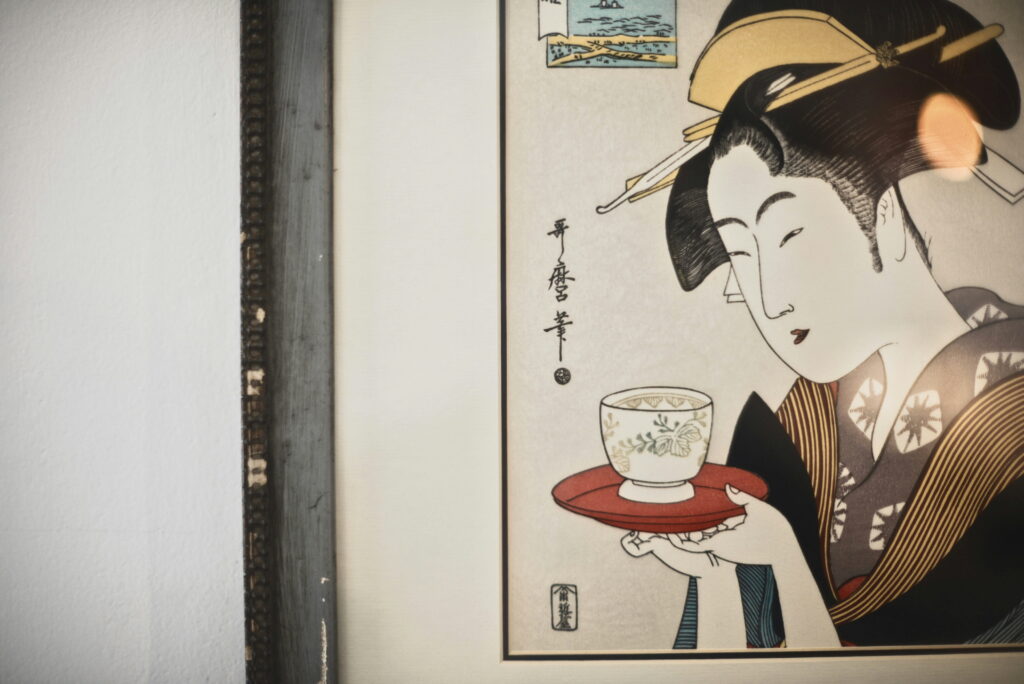
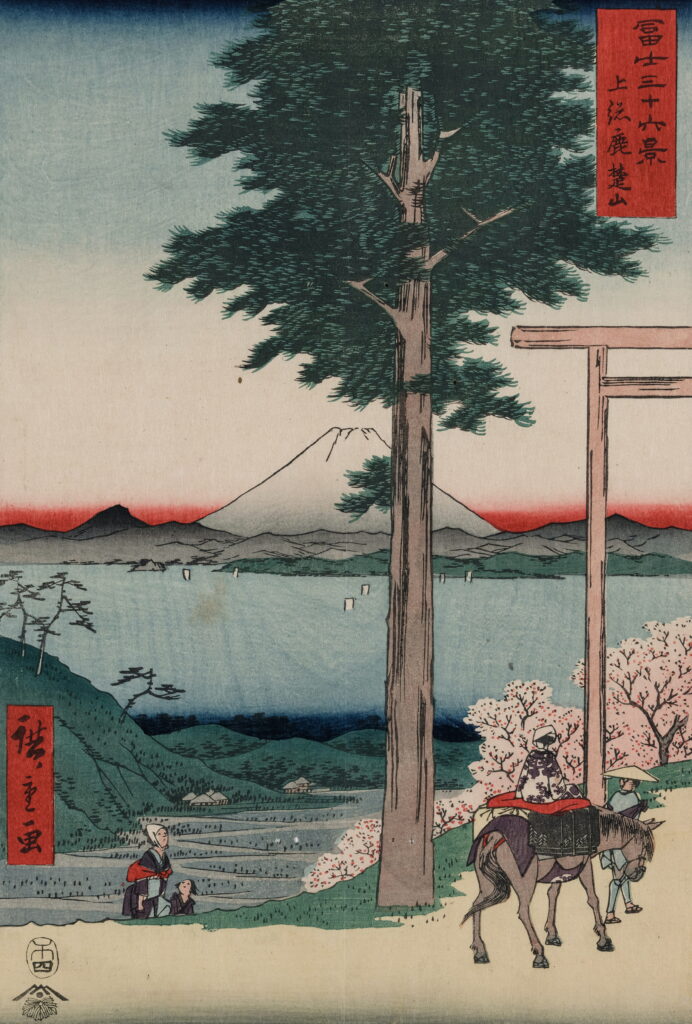
As townspeople such as artisans and merchants gained economic power, vibrant forms of popular culture developed, including glamorous kabuki theatre and ukiyo-e prints depicting beautiful women and landscapes.
The refined aesthetic sense known as iki became highly valued. Entertainment venues such as theatres and yose performance halls for comedy and rakugo storytelling flourished, bringing energy and excitement to everyday life.
- Characteristics of Architecture: Fire Prevention and Urban Planning
Fires frequently broke out in Edo, so wealthy merchants adopted a fire-resistant architectural style called kura-zukuri, featuring thick earthen walls designed to protect their property.
Common people lived in communal row houses known as nagaya, forming close communities within limited living spaces.
Shrines and temples patronised by the Tokugawa shogunate were often built in the elaborate gongen-zukuri style, represented by the richly decorated Nikko Toshogu Shrine.
2. Kawagoe, the Storehouse Town Known as “Little Edo” (Saitama)
Spot Overview
Kawagoe City in Saitama Prefecture prospered as a castle town during the Edo period and still retains much of its historical atmosphere today.
The heavy kura-zukuri merchant buildings along Ichibangai Street have been preserved on a large scale, earning the town the nickname “Little Edo”.
Highlights
Kawagoe’s greatest attraction is that the entire town feels like a living museum.
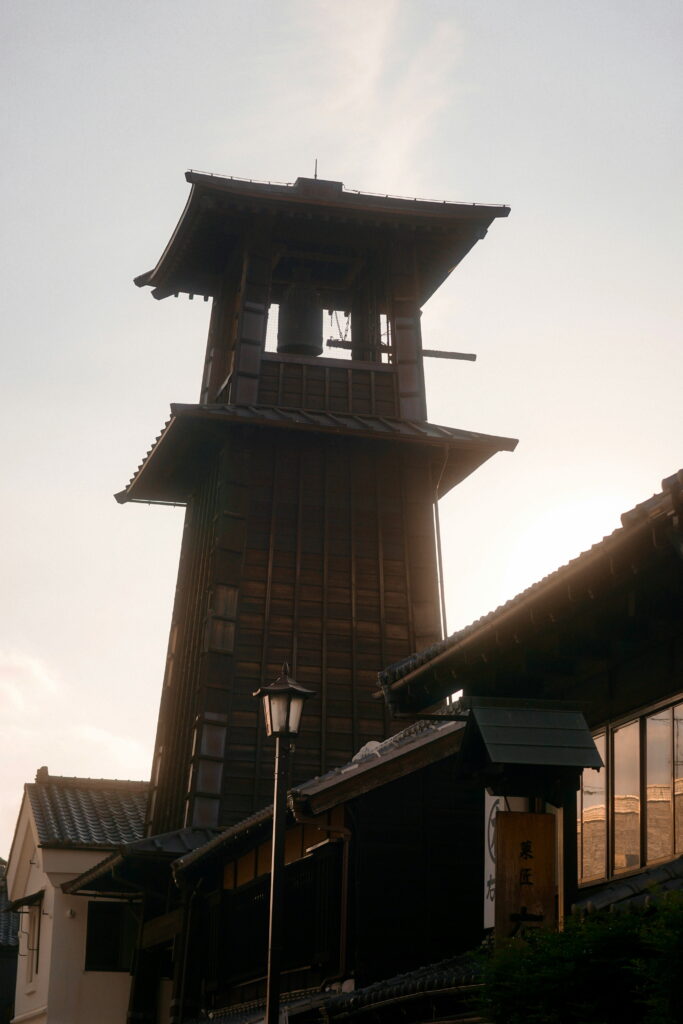
The city’s symbol, the Bell Tower known as Toki no Kane, has marked the hours since the early Edo period.
Hearing its bell allows visitors to imagine daily life in those times.
Kashiya Yokocho, or Candy Alley, also offers a glimpse into the lively food culture enjoyed by ordinary Edo townspeople.
As you walk through the streets lined with black-walled storehouses and tiled roofs, you can fully appreciate the beauty of Edo-period merchant architecture.
Access: Approximately 30 to 45 minutes from central Tokyo, including Ikebukuro Station, via the Tobu Tojo Line.
Kawagoe Official Website
3. Asakusa Shrine, a Spiritual Power Spot Connected to Tokugawa Ieyasu (Tokyo)
Spot Overview
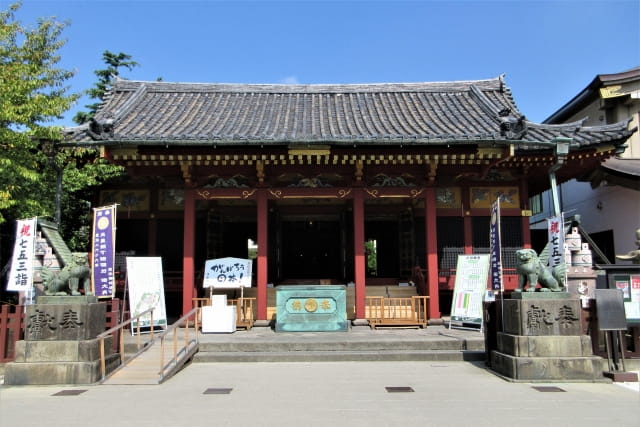
Located beside Senso-ji Temple in Asakusa, Tokyo, Asakusa Shrine was deeply respected by Tokugawa Ieyasu, founder of the Edo shogunate.
Throughout the Edo period, it was beloved by common people as “Sanja-sama” and served as the spiritual heart of Asakusa.
Highlights
Asakusa Shrine is an essential spot for experiencing the history of Asakusa, once the cultural centre of Edo.
Its shrine buildings were constructed in the gongen-zukuri style by the third shogun, Tokugawa Iemitsu.
Their vivid vermilion colours reflect the authority of the Tokugawa shogunate.
The famous Sanja Matsuri festival, held every May, conveys the energy and spirit of Edo townspeople to the modern day.
Walking through Nakamise Street at nearby Senso-ji Temple also allows visitors to feel the lively atmosphere of Edo culture.
Access: Within walking distance from Asakusa Station on several train lines.
Asakusa Shrine Official Website
4. Edo Wonderland Nikko Edomura, a Theme Park Where You Can Meet Samurai and Ninja (Tochigi)
Spot Overview
Edo Wonderland Nikko Edomura in Nikko City, Tochigi Prefecture, is a theme park where visitors can fully experience Edo-period culture and daily life.
Within its vast grounds, post towns, merchant districts, samurai residences, and ninja houses have all been carefully recreated, making it a place not only to learn history but to experience it firsthand.
Highlights
The greatest attraction of Edo Wonderland is its overwhelming sense of immersion and interaction with people dressed as Edo-period residents.
At the paid transformation studio, visitors can dress as samurai, townspeople, or other historical figures and explore the park as “citizens of Edo”.
Traditional theatre houses host exciting ninja performances and authentic stage productions, allowing guests to experience Edo entertainment culture.
The entire recreated townscape is itself a major attraction.
Access: Direct access from Asakusa Station via the Tobu Railway Limited Express Spacia to the nearest station, followed by a bus ride.
Edo Wonderland Nikko Edomura Official Website
5. Edo-Tokyo Museum, the Entire Building Preserves Edo’s Memory (Tokyo)
Spot Overview
Located in Ryogoku, Sumida Ward, the Edo-Tokyo Museum is a large museum dedicated to the history and culture of Tokyo.
Its Edo-period exhibits are especially extensive, featuring enormous life-sized replicas and detailed dioramas that explain Edo’s urban structure and the lives of ordinary people.
Highlights
The Edo-Tokyo Museum is perfect for visitors who want a deeper academic understanding of the Edo period.
Upon entering the museum, visitors first encounter a full-scale replica of Nihonbashi Bridge, the starting point of Edo’s five major highways, recreating the feeling of setting out on a journey during that era.
Part of Nakamura-za, one of Edo’s most famous kabuki theatres, has also been reconstructed at full scale.
Detailed dioramas depicting firefighters, nagaya row houses, and daily life provide valuable insight into the wisdom and culture of Edo society.
Access: Located directly beside Ryogoku Station on the JR Sobu Line or the Toei Oedo Line.
Edo-Tokyo Museum Official Website
6. Fukagawa Edo Museum, Experience the Lives of Common People (Tokyo)
Spot Overview
The Fukagawa Edo Museum in Koto Ward, Tokyo, is a unique museum featuring a life-sized recreation of a district from Fukagawa Sagacho during the late Edo period.
Rather than focusing on samurai or wealthy elites, the museum highlights the everyday living spaces of ordinary townspeople residing in nagaya row houses.
Highlights
The museum’s greatest feature is its realistic exhibits that engage all five senses.
The recreated streets, alleys, watchtowers, and row houses can actually be entered, allowing visitors to physically experience Edo-period life.
Lighting and sound effects recreate changes in weather and the passage of time throughout the day, helping visitors share the atmosphere people of that era might have felt.
Volunteer guides also provide explanations that deepen understanding of Edo customs and daily wisdom.
Access:Three minutes on foot from Kiyosumi-Shirakawa Station on the Tokyo Metro Hanzomon Line or Toei Oedo Line.
Fukagawa Edo Museum Official Website
7. Ota Memorial Museum of Art, Discover the Beauty of Ukiyo-e (Tokyo)
Spot Overview
Located in Harajuku, Shibuya Ward, the Ota Memorial Museum of Art specialises in ukiyo-e, the woodblock print art form that flourished during the Edo period.
The museum houses around 14,000 works and changes its exhibitions monthly.
Highlights
Through ukiyo-e, which served as the pop culture of Edo Japan, visitors can explore the fashions, trends, and sensibilities of the time.
Because the exhibitions change every month, each visit offers new discoveries.
Ukiyo-e functioned much like magazines or celebrity photographs of the Edo period, depicting popular actors, courtesans, and trends.
Viewing these works provides a visual understanding of Edo aesthetics and fashion.
The museum also allows visitors to appreciate the extraordinary woodblock printing techniques of master artists such as Katsushika Hokusai and Utagawa Hiroshige.
Access: Five minutes on foot from Harajuku Station on the JR Yamanote Line.
Ota Memorial Museum of Art Official Website
8. Experience Ninja Culture in Modern Times at Ninja Cafe Harajuku (Tokyo)
Spot Overview
Ninja Cafe in Harajuku is a unique interactive café themed around ninja, the legendary covert operatives of Japanese history.
It is not a historical building, but it offers visitors a modern entertainment experience based on ninja culture and imagery that originated during the Edo period.
Highlights
The appeal of Ninja Cafe lies in its fun and accessible ninja experiences.
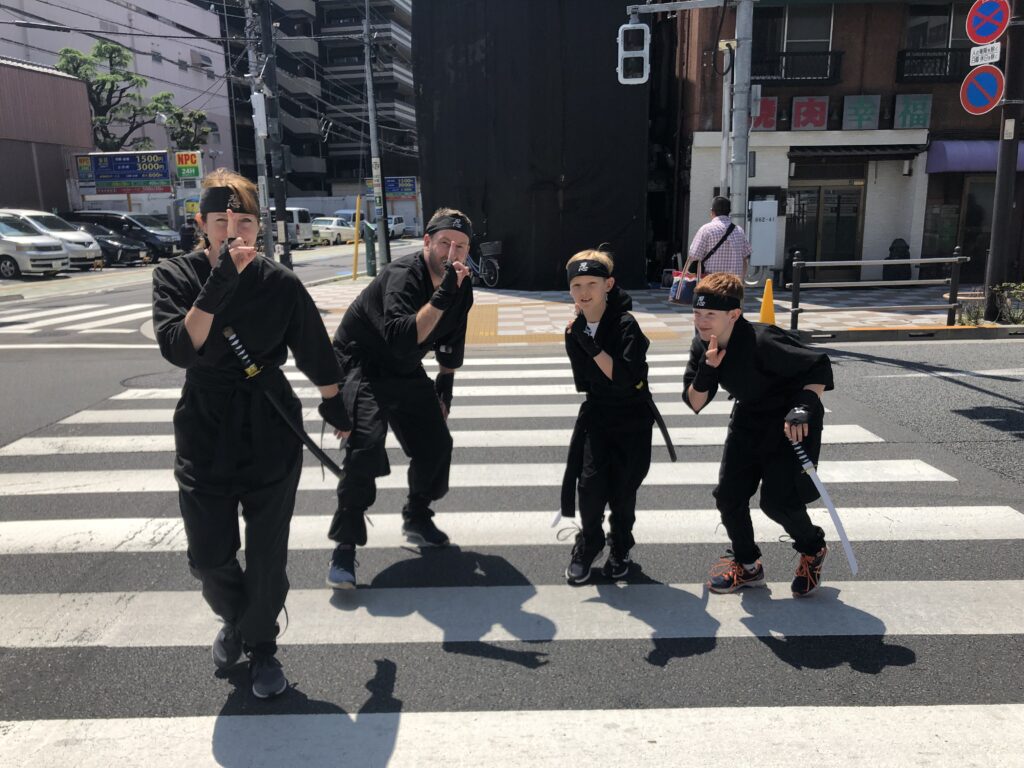
The interior resembles a secret ninja hideout, and visitors can enjoy authentic ninja training activities such as shuriken throwing.
Staff dressed as ninja serve food and drinks while performing entertaining demonstrations.
The food and drinks themselves are creatively designed around ninja themes and imagery.
Access: Within walking distance of Harajuku Station on the JR Yamanote Line.
Ninja Experience Cafe Harajuku Official Website
9. Summary
Each of the seven locations introduced here reveals a different side of Edo-period history and culture.
- If you want to stroll through historic streets and cultural districts, visit Kawagoe.
- If you want to feel the authority of the shogunate and the excitement of traditional festivals, visit Asakusa Shrine.
- If you want an entertaining and immersive experience, visit Edo Wonderland Nikko Edomura.
- If you want a deeper academic understanding of Edo history, visit the Edo-Tokyo Museum.
- If you want to experience the everyday lives of ordinary people, visit the Fukagawa Edo Museum.
- If you want to discover Edo art and trends, visit the Ota Memorial Museum of Art.
- If you want to enjoy ninja culture in a fun and interactive way, visit Ninja Cafe Harajuku.
By visiting these places, you will surely be able to feel the spirit of Edo-period samurai and townspeople, as well as the historical roots of modern Japanese culture.
Use this article to help plan your own “time-slip” journey into the Edo period.
What are we?
We run Ninja Experience Cafe in Tokyo, Kyoto and Osaka, Japan.
Here you can immerse yourself in Japanese culture through experiencing ninja training.
Both adults and children are welcome to try their hand at defeating the ninja master inside the cafe.
The cafe is an indoor interactive zone, so it can be enjoyed even on rainy days.
If you are thinking "I want to be a real ninja too!” or interested in becoming a real ninja, please visit us.
Reservations can be made here.
Unauthorized copying and replication of the contents of this site, text and images are strictly prohibited.