World of Ghibli: Scenes from Western Japan and the World
 Shinobu
Part 2: Western Japan and Overseas Inspirations!
Note: This article is the sequel to World of Ghibli: Scenes from Eastern Japan
Reading both articles together will make the experience even more enjoyable!
One of the greatest charms of Studio Ghibli films is their breathtakingly beautiful settings, many of which are inspired by nostalgic Japanese landscapes.
In this article, we focus on the historic towns, magnificent natural scenery of Western Japan, and even enchanting cities overseas that have been mentioned or widely considered as inspirations for masterpieces such as “Ponyo” and “Spirited Away”.
Why not visit places that seem to have stepped straight out of an animated world and immerse yourself in the magical atmosphere that defines Ghibli films?
Come along as we embark on a journey through some of the most beautiful locations associated with Studio Ghibli’s beloved works.
- Kansai Region
- Kobe, Hyogo Prefecture / “Grave of the Fireflies”
- Dotonbori Shopping District, Osaka Prefecture / “Spirited Away”
- Shinsaibashi, Osaka Prefecture / Donguri Republic
- Chugoku and Shikoku Regions
- Tomonoura, Hiroshima Prefecture / “Ponyo”
- Dogo Onsen Main Building, Ehime Prefecture / “Spirited Away”
- Kochi City and Kochi Prefecture / “Ocean Waves”
- Kyushu Region
- Yakushima and Shiratani Unsuikyo, Kagoshima Prefecture / “Princess Mononoke”
- Overseas Inspirations
- Visby, Gotland Island, Sweden / “Kiki’s Delivery Service”
- Adriatic Coast of Croatia and Italy / “Porco Rosso”
- Wales, United Kingdom / “Castle in the Sky”
- Colmar and Riquewihr, France / “Howl’s Moving Castle”
- Summary
1. Kansai Region
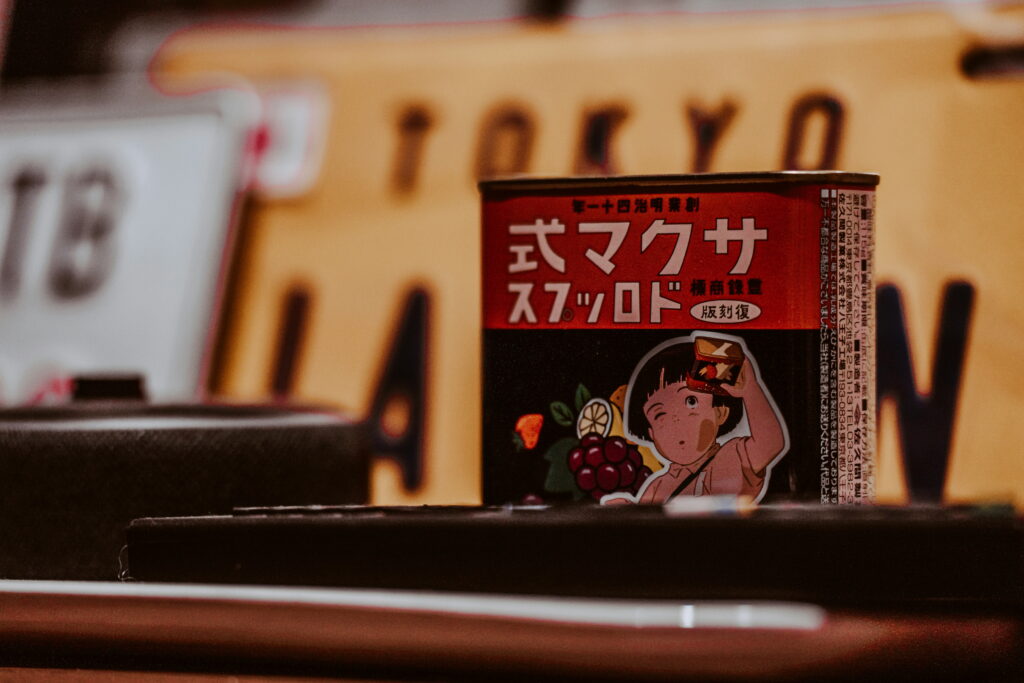
Kobe, Hyogo Prefecture / “Grave of the Fireflies”
Film Overview: Set in Kobe during the final months of World War II, this moving story follows 14-year-old Seita and his four-year-old sister Setsuko as they struggle to survive after losing their mother in air raids. It is a heartbreaking tale of war and sibling love.
Highlights: The primary setting of the story is Kobe in 1945.
One of the locations featured in the film is the Kobe Municipal Mikage Public Hall, where Seita and Setsuko seek refuge during air raids.
Completed in 1933, this stately and nostalgic building evokes the history of daily life during wartime hardship.
Standing before it encourages visitors to reflect on the tragic fate of the siblings and the value of peace.
Mikage Kokaido Official Website
Dotonbori Shopping District (Former Gokuraku Shopping Street), Osaka Prefecture / “Spirited Away”
Film Overview: Ten-year-old Chihiro wanders into a mysterious spirit world through a strange tunnel and must work at the bathhouse Yubaba while overcoming numerous challenges and growing as a person.
Highlights:The mysterious shopping street where Chihiro’s parents are transformed into pigs is said to have drawn partial inspiration from Gokuraku Shopping Street, a themed restaurant complex that once existed near Osaka’s Dotonbori area and closed in 2009.
Today’s Dotonbori remains packed with enormous signboards and dazzling neon lights.
Its vibrant and almost unreal atmosphere evokes the feeling that gods and spirits could easily wander its streets.
Dotonbori Shopping District Official Website
Shinsaibashi, Osaka Prefecture / “Donguri Republic”
Film Overview:Although not the setting of a specific film, Donguri Republic is the official retailer of Studio Ghibli merchandise.
Highlights: Donguri Republic is an official store offering a wide range of Studio Ghibli goods.
Located inside Shinsaibashi PARCO in central Osaka, the shop’s warm wooden interior reflects the gentle atmosphere found throughout Ghibli films.
After visiting locations associated with the films, visitors can browse souvenirs and character merchandise while experiencing both Japanese animation culture and kawaii culture.
Donguri Republic Official Website
2. Chugoku and Shikoku Regions
Tomonoura, Hiroshima Prefecture / “Ponyo”
Film Overview: Set in a small seaside town, this story portrays the pure friendship and love between Sosuke, a human boy, and Ponyo, a fish girl who dreams of becoming human.
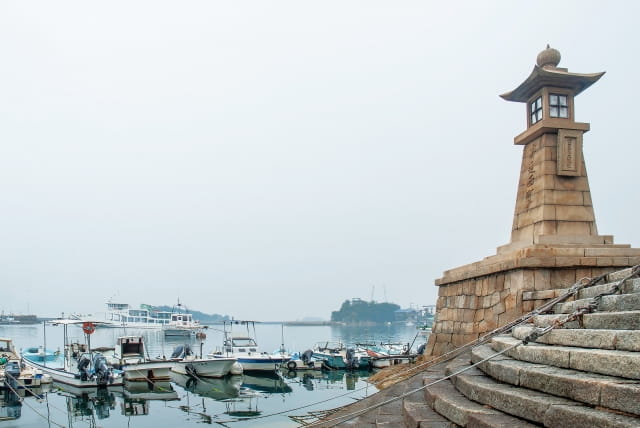
Highlights: The model for the harbour town where Sosuke and Ponyo live is widely believed to be Tomonoura in Fukuyama City, Hiroshima Prefecture.
Hayao Miyazaki developed much of the film’s concept while staying in the area.
Visitors can still see the harbour with its iconic stone lighthouse, as well as houses climbing the seaside slopes, creating scenery remarkably similar to scenes from the film.
Combined with the calm beauty of the Seto Inland Sea, Tomonoura perfectly captures the peaceful atmosphere of the story.
Finding Ponyo in Tomo-no-Ura Reference Website
Dogo Onsen Main Building, Ehime Prefecture / “Spirited Away”
Film Overview:“Spirited Away” is the story of a young girl who becomes lost in a mysterious spirit world and gradually rediscovers herself, growing through her experiences and work there.
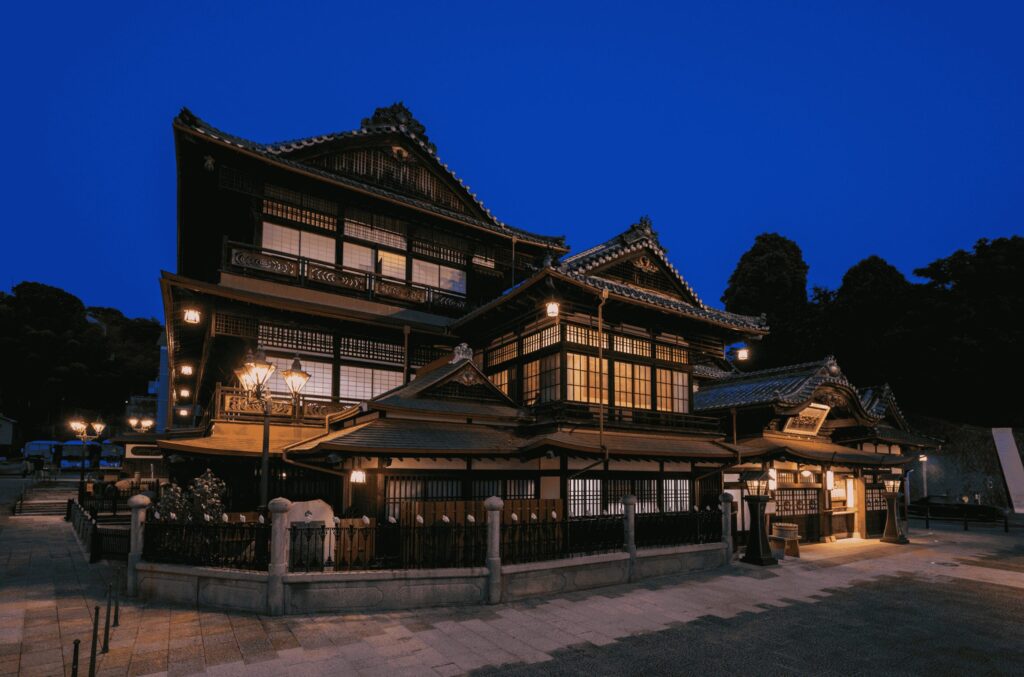
Highlights: One of the inspirations for the grand bathhouse visited by the gods in “Spirited Away” is Dogo Onsen Main Building in Matsuyama City, Ehime Prefecture, which Miyazaki himself has acknowledged as a motif.
This historic structure, designated an Important Cultural Property of Japan, features a complex Meiji-era design and an iconic central tower that strongly resembles the film’s bathhouse.
The interior contains maze-like corridors and routes that create the feeling of entering a mysterious world.
Visitors can also enjoy the hot springs themselves and experience a traditional aspect of Japanese bathing culture.
Dogo Onsen Official Website
Kochi City, Kochi Prefecture / “Ocean Waves”
Film Overview: The story follows Taku Morisaki, a high school student in Kochi, whose encounter with transfer student Rikako Muto leads him to confront friendship, romance, and his future.
Highlights: The film’s primary setting is Kochi City and the wider Kochi region.
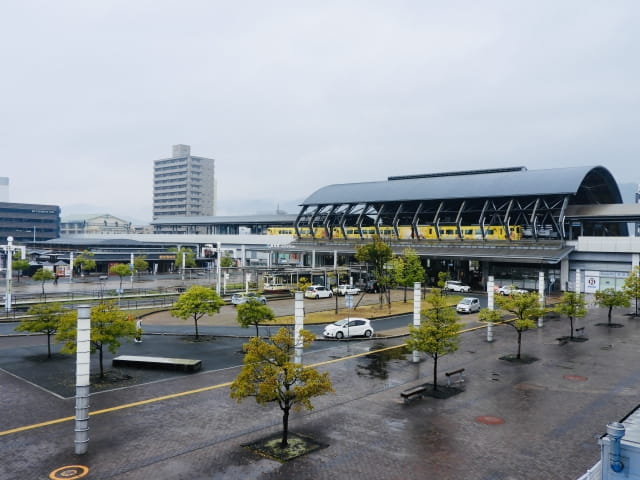
Many real locations appear faithfully in the film, including Kochi Station, Kochi Castle, and the harbour town of Kure overlooking Tosa Bay.
Particularly memorable are scenes involving Kochi Ryoma Airport, the seaside harbour featured prominently in the story, and Taku’s departure for university in Tokyo.
The open atmosphere of Kochi and the vast scenery of the Pacific Ocean beautifully complement the emotional complexity of youth depicted throughout the film.
3. Kyushu Region
Yakushima and Shiratani Unsuikyo, Kagoshima Prefecture / “Princess Mononoke”
Film Overview: A story depicting the conflict between ancient forests filled with spiritual life and humans engaged in iron production.
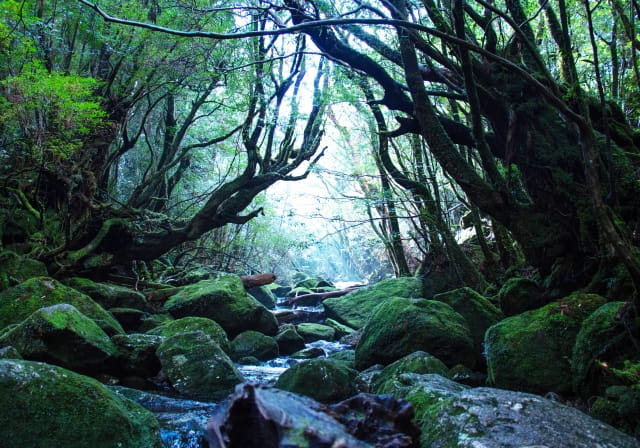
Highlights: One of the inspirations for the mystical Forest of the Deer God visited by Ashitaka is Shiratani Unsuikyo on Yakushima Island in Kagoshima Prefecture.
Hayao Miyazaki visited Yakushima several times while gathering inspiration for the film.
Yakushima was designated a UNESCO World Natural Heritage Site in 1993.
Shiratani Unsuikyo is particularly famous for its “Moss-Covered Forest”, where thick carpets of moss blanket ancient woodland.
The landscape feels almost identical to the world of “Princess Mononoke”, filled with an ethereal beauty that seems untouched by time.
Rain intensifies the vivid green colours of the moss and enhances the impression that kodama spirits might appear at any moment.
Visitors can enjoy trekking through magnificent wilderness while experiencing a landscape where nature and spirituality seem inseparable.
Yakushima Tourism Association Official Website
4. Overseas Inspirations
Visby, Gotland Island, Sweden / “Kiki’s Delivery Service”
Film Overview: A coming-of-age story about thirteen-year-old witch Kiki, who leaves home with her black cat Jiji to train while living independently in a new city.
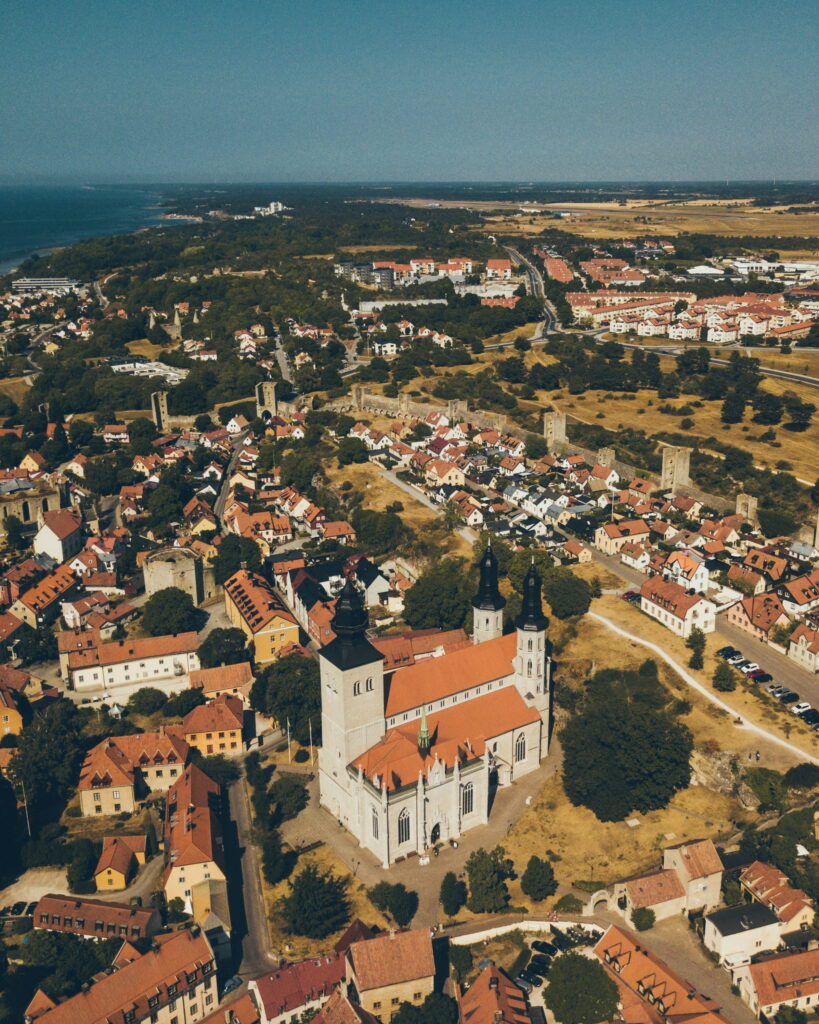
Highlights:The seaside city of Koriko, where Kiki begins her training, was inspired by Visby on Gotland, Sweden’s largest island.
Visby is a UNESCO World Heritage city renowned for its remarkably preserved medieval streets.
The bakery that inspired Kiki’s home, the charming red-roofed houses, and the picturesque Baltic Sea harbour all feel as though they were lifted directly from the film.
The city’s warm atmosphere and unique European character perfectly complement the story’s themes of independence and personal growth.
Adriatic Coast of Croatia and Italy / “Porco Rosso”
Film Overview: Set in the Adriatic Sea after World War I, this romantic adventure follows bounty hunter Porco Rosso, a former pilot cursed to appear as a pig.
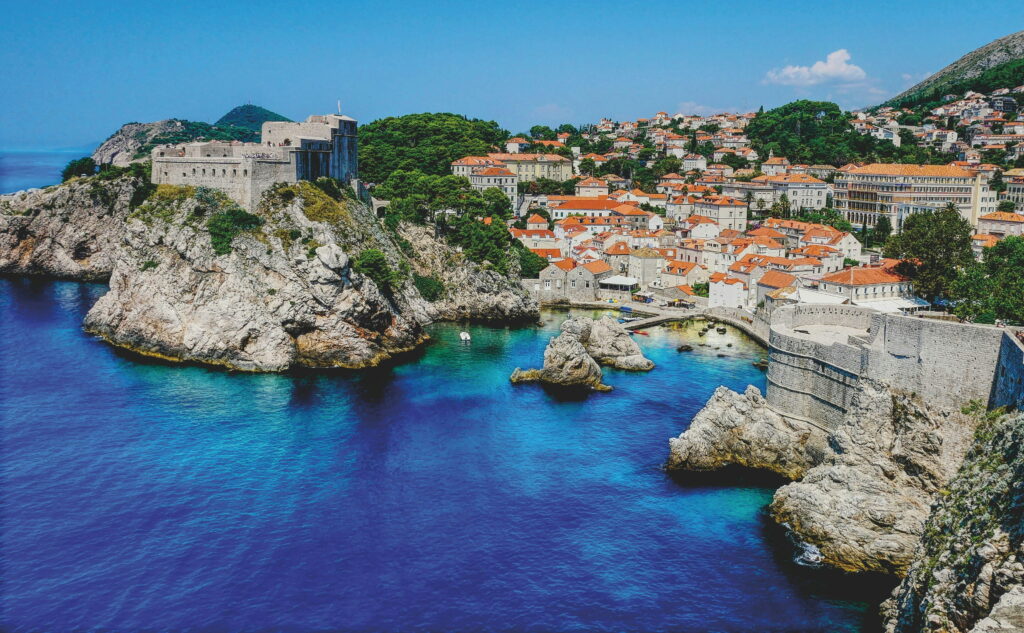
Highlights: The stunning landscapes of the Adriatic Sea depicted throughout the film were inspired largely by coastal regions of Croatia and Italy.
The historic old town of Dubrovnik and the dramatic Adriatic coastline strongly influenced the film’s imagery of brilliant blue skies, sparkling seas, and nostalgic architecture.
The elegant Mediterranean atmosphere associated with Porco’s hideout and favourite hotels reflects the film’s themes of freedom, loneliness, and romance.
Looking out over the crystal-clear sea and beautiful stone towns, visitors may easily imagine Porco’s red seaplane soaring across the horizon.
Wales, United Kingdom / “Castle in the Sky”
Film Overview: A fantasy adventure following Pazu, a boy from a mining town, and Sheeta, a mysterious girl from the sky, as they search for the legendary floating city of Laputa.
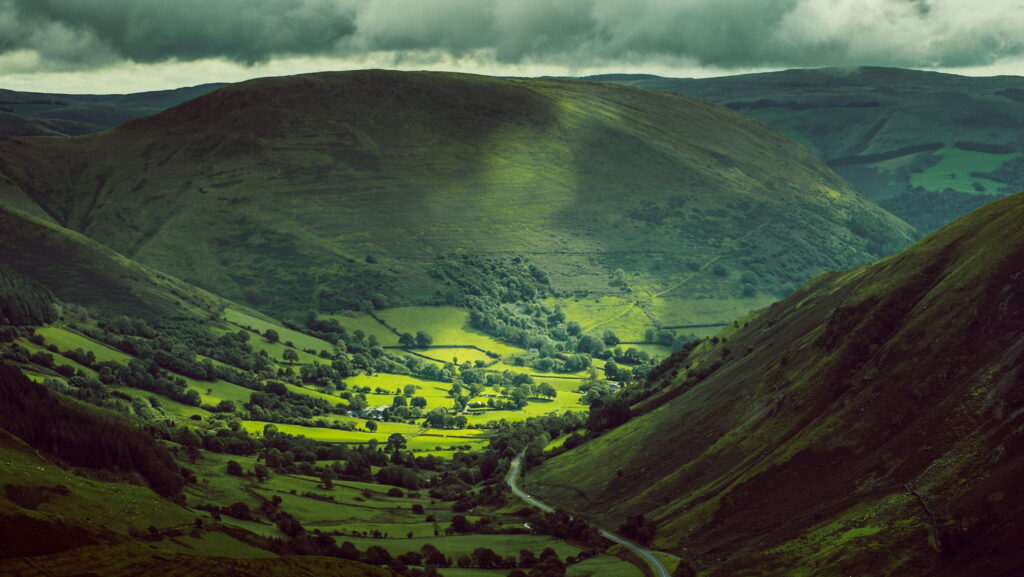
Highlights: One source of inspiration for the film’s fortresses and mining towns was Wales.
Miyazaki visited the region during production research, and its historic mining communities and medieval castles strongly influenced the visual design of the film.
Caernarfon Castle and other massive Welsh fortifications are often cited as inspirations for the fortress where Pazu and Sheeta confront their enemies.
Their imposing stone walls enhance the film’s atmosphere of mystery and adventure.
The green landscapes and historic stone architecture of Wales can be seen as a powerful real-world foundation for the floating kingdom of Laputa.
Colmar and Riquewihr, France / “Howl’s Moving Castle”
Film Overview: A fantasy story following the wizard Howl and Sophie, a young woman transformed into an old lady by a curse, as they travel together in a magical moving castle during a time of war.
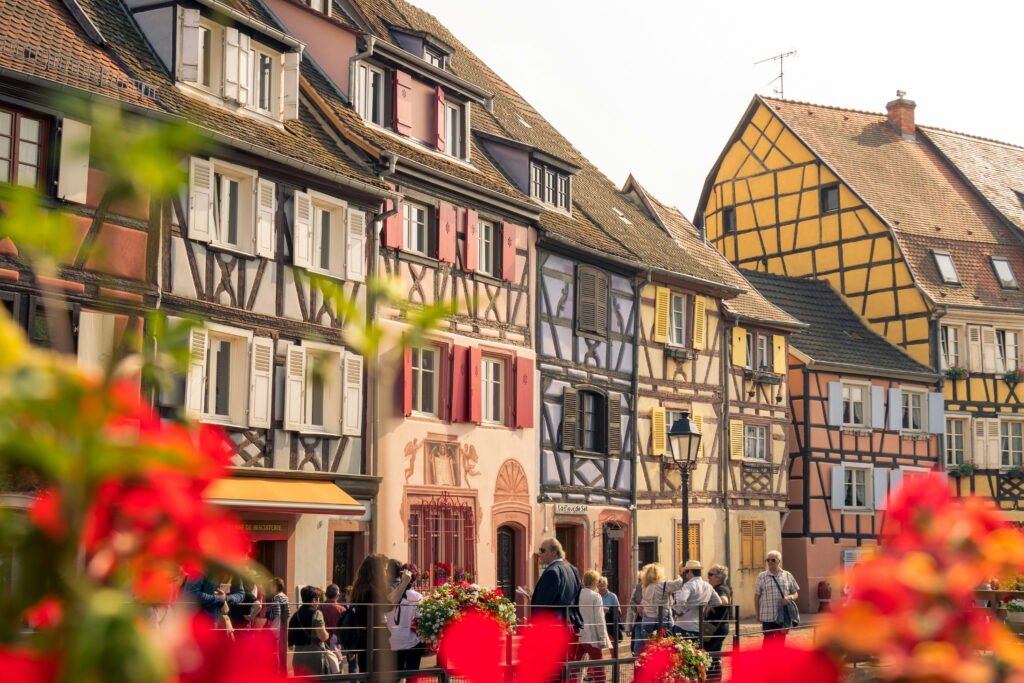
Highlights: The colourful townscapes where Sophie lives were inspired by towns such as Colmar and Riquewihr in France’s Alsace region near the German border.
The half-timbered houses of Colmar and the charming cobbled streets of Riquewihr closely resemble the peaceful towns where Sophie works as a hat maker and where Howl conceals his castle.
Walking through these towns allows visitors to appreciate the beauty of the everyday life that Sophie and Howl fought to protect.
Searching for Colmar’s Moving Castle Reference Website
5. Summary
The landscapes of Studio Ghibli films are not merely beautiful.
They evoke precious memories, emotions, and values that remain in the hearts of viewers long after the credits roll.
A journey to these locations is more than a pilgrimage through famous film scenes.
It is an opportunity to gain a deeper appreciation for the culture, history, and natural beauty that inspired the stories themselves.
The destinations introduced here represent only a small portion of the many places connected to Ghibli's creative world.
Now it is time to begin your own journey through the landscapes that inspired the magic of Studio Ghibli.
What are we?
We run Ninja Experience Cafe in Tokyo, Kyoto and Osaka, Japan.
Here you can immerse yourself in Japanese culture through experiencing ninja training.
Both adults and children are welcome to try their hand at defeating the ninja master inside the cafe.
The cafe is an indoor interactive zone, so it can be enjoyed even on rainy days.
If you are thinking "I want to be a real ninja too!” or interested in becoming a real ninja, please visit us.
Reservations can be made here.
Unauthorized copying and replication of the contents of this site, text and images are strictly prohibited.