NARUTO Manga vs Anime: Key Differences
 Shinobu
When Masashi Kishimoto first unleashed Naruto in the pages of Weekly Shonen Jump, he introduced the world to an unforgettable tale of ninja grit, friendship, and ambitious dreams.
Shortly after, Studio Pierrot brought this iconic shinobi story to the screen, sparking a global anime phenomenon.
But if you ask seasoned fans whether they prefer the Naruto manga or the anime, you will trigger an endless debate.
While both media follow Naruto Uzumaki’s journey from an outcast village prankster to the revered Hokage of Konohagakure, the experience of consuming the story on paper versus on screen is vastly different.
From infamous filler arcs and censorship to fight pacing and character developments, both formats offer distinct advantages and drawbacks.
In this comprehensive guide, we compare the Naruto manga and anime across critical factors to help you decide which version deserves your ultimate loyalty—or where you should begin your shinobi journey!
- Differences Between Naruto Manga and Anime
- Pacing and Narrative Flow: The Infamous Filler Factor of Naruto
- Art Style, Animation Quality, and Visual Gore of Naruto
- Character Portrayal and Emotional Depths in Naruto
- Censorship in the Anime Adaptation in Naruto
- Music, Voice Acting, and the Power of Sound Effects in Naruto
- Naruto Manga vs Anime: Quick Comparison Table
- Naruto: Which One Should You Experience First?
- Summary
1. Differences Between Naruto Manga and Anime
At their core, both the Naruto manga and anime tell the exact same overarching tale.
They follow Naruto, Sasuke, Sakura, Kakashi, and the ninja world through two major chronological eras: Part I (Classic Naruto) and Part II (Naruto Shippuden).
However, the primary difference lies in how the narrative is delivered and consumed.
Masashi Kishimoto’s manga is a direct, unfiltered vision from a single master storyteller and artist.
The artwork features precise linework, heavy dark shading, and an exceptionally fast narrative pace.
On the other hand, the anime adaptation produced by Studio Pierrot translates these static panel drawings into dynamic visual motion, enhanced by sound design, voice performances, and legendary musical soundtracks.
Despite sharing the same plot milestones—such as the Chunin Exams, the Sasuke Retrieval Arc, the Pain Invasion, and the Fourth Great Ninja War—the journey to those moments feels noticeably different between the two mediums.
2. Pacing and Narrative Flow: The Infamous Filler Factor of Naruto
If there is one topic that dominates every Naruto manga vs anime debate, it is the pacing and the dreaded presence of filler episodes.
The Manga: Uninterrupted Storytelling
The Naruto manga consists of 700 chapters collected across 72 tankobon volumes.
Reading the manga offers a seamless, perfectly paced narrative.
Kishimoto masterfully crafts cliffhangers, transition scenes, and plot revelations without unnecessary delays.
A reader can easily breeze through major arcs in a fraction of the time it takes to watch them, enjoying an uninterrupted story free of side tangents or redundant flashbacks.
The Anime: Highs of Epic Battles and Lows of Filler Arcs
The Naruto anime spans 220 original episodes and 500 Naruto Shippuden episodes, totaling 720 episodes.
Because the television adaptation was produced concurrently with the weekly manga release, Studio Pierrot frequently ran out of canonical source material.
To prevent the anime from catching up to Kishimoto’s ongoing chapters, the studio introduced massive amounts of filler—content created purely for the anime that never existed in the original manga.
Nearly 40% of the entire Naruto anime consists of filler episodes.
While some filler stories offer amusing side quests or additional world-building, many interrupt high-stakes canon moments (such as inserting backstory arcs right in the middle of the climactic Fourth Great Ninja War), severely disrupting the narrative momentum.
Furthermore, canon anime episodes often padded time by dragging out stare-downs, repeating identical flashback sequences dozens of times, or adding extended internal monologues.
3. Art Style, Animation Quality, and Visual Gore of Naruto
Visually, comparing Kishimoto’s manga artwork to Studio Pierrot’s animation reveals striking contrasts in tone, detail, and presentation.
Masashi Kishimoto’s Masterful Artwork
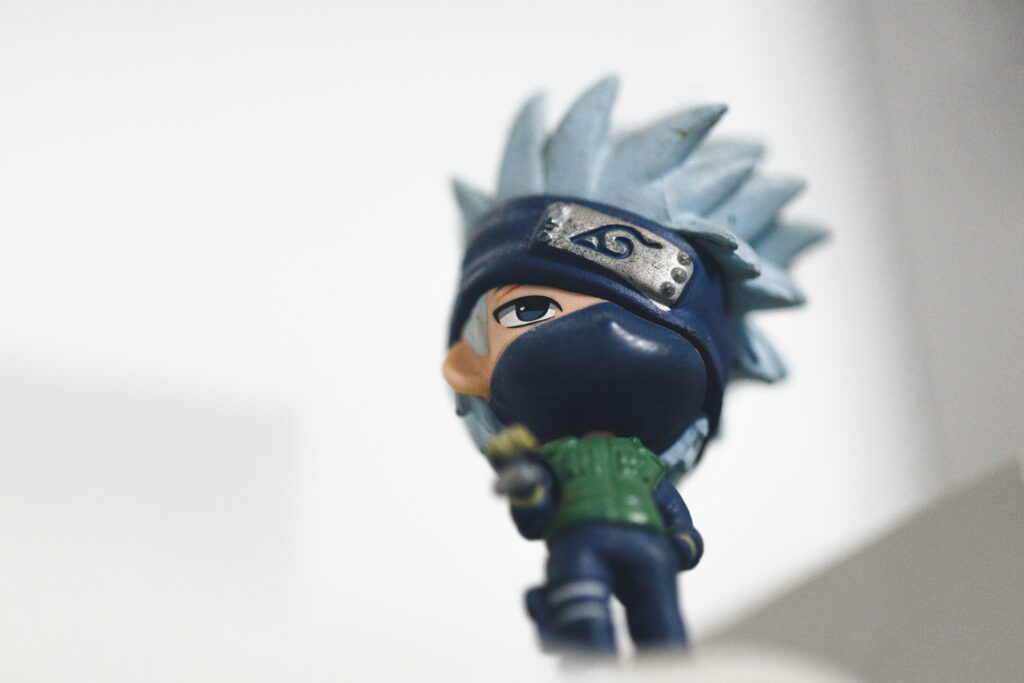
Kishimoto’s art style in the manga is renowned for its cinematic framing, dynamic motion lines, and detailed character perspectives.
He uses deep inks and cross-hatching to convey weight, speed, and raw emotion.
Fight scenes in the manga feel sharp, impactful, and brutal.
Dynamic Animation and Inconsistency
The anime converts static manga panels into fluid motion.
When Studio Pierrot assigned top-tier animators and budgets to pivotal fights—such as Naruto vs. Sasuke at the Final Valley, Kakashi vs. Obito, or Team 10 vs. Hidan and Kakuzu—the results were legendary, elevating Kishimoto's original vision to breathtaking cinematic heights.
However, weekly production schedules inevitably caused noticeable animation drops.
Non-pivotal episodes often feature flat backgrounds, simplified character designs, and static movement.
The famous battle between Nine-Tails Naruto and Pain, while wildly creative in its fluid physics, divided fans due to its exaggerated, cartoonish art direction compared to the grounded horror portrayed in the manga.
4. Character Portrayal and Emotional Depths in Naruto
While the core character arcs remain consistent, subtle changes in adaptation led to stark differences in how certain characters were perceived by manga readers versus anime viewers.
Sakura Haruno: A Major Discrepancy
Perhaps no character suffered more from the anime adaptation than Sakura Haruno.
In the manga, Sakura’s internal growth, intelligence, and genuine concern for Naruto are established much earlier.
In contrast, early anime episodes added extra filler scenes of Sakura acting overly harsh or hitting Naruto for comedic effect, while exaggerating her obsession with Sasuke.
As a result, anime-only viewers often developed a negative perception of Sakura that manga readers found largely unjustified.
Extended Emotional Sequences
Conversely, the anime excels at breathing extra emotional life into specific tragic moments.
For example, Shikamaru Nara grieving the loss of his mentor Asuma was brief in the manga.
The anime expanded this into an entire episode (Shippuden Episode 82: "Team 10"), featuring an iconic, heartbreaking scene where Shikamaru’s father, Shikaku, encourages his son to let out his suppressed sorrow while playing shogi.
This addition is widely praised as superior to the manga original.
Similarly, Hinata Hyuga’s confession to Naruto during the Pain attack was a concise, few-page intervention in the manga, whereas the anime expanded it into a full-length combat sequence that highlighted her brave sacrifice.
5. Censorship in the Anime Adaptation in Naruto
To broadcast Naruto on daytime Japanese television and international broadcast networks, Studio Pierrot had to tone down the explicit violence, gore, and sensitive imagery present in the manga.
Reduced Gore and Physical Damage
Kishimoto’s manga featured explicit graphic violence.
Severed limbs, heavy blood splatters, and horrific physical injuries were common in major battles:
- Neji’s Injury
- During his fight against Kidomaru in the Sasuke Retrieval Arc, Neji suffers a gruesome, visceral puncture wound in the manga that is noticeably softened in the anime.
- Visceral Attacks: Gaara’s Sand Tsunami and Sand Burial techniques explicitly crushed opponents with visible blood spray in the manga, whereas the anime obscured these gruesome deaths behind sand clouds or cutaways.
- Smoking Habit: Shikamaru taking up Asuma’s cigarette smoking habit as a tribute to his fallen sensei was a profound symbolic detail in the manga. In early anime broadcasts, the cigarette was altered or removed, replacing it with Asuma’s lighter to comply with youth broadcast regulations.
Symbol Changes
In the manga, Neji Hyuga’s branch house curse mark on his forehead is a Manji symbol (a traditional Buddhist symbol representing harmony and good fortune).
To avoid confusion with Western symbols in international markets, the anime changed Neji’s curse mark to an "X" design.
6. Music, Voice Acting, and the Power of Sound Effects in Naruto
Where the anime undeniably outshines the manga is in its audio auditory experience.
- Iconic Soundtracks (OST)
- Composed by Toshiro Masuda (Part I) and Yasuharu Takanashi (Shippuden), the anime’s musical score is universally iconic.
- Tracks like "Sadness and Sorrow," "Raising Fighting Spirit," and "Spinning Song" infuse moments with raw, soul-stirring energy that paper simply cannot replicate.
- Voice Performances
- Legendary Japanese voice actors (seiyuu) like Junko Takeuchi (Naruto), Noriaki Sugiyama (Sasuke), Kazuhiko Inoue (Kakashi), and Akira Ishida (Gaara) brought immense voice passion and authenticity to every jutsu call and emotional breakdown.
- Atmospheric Sound Effects
- The crackle of Chidori lightning, the roaring spin of a Rasengan, and the ambient sounds of hidden villages instantly immerse fans into the shinobi world.
7. Naruto Manga vs Anime: Quick Comparison Table
| Feature | Naruto Manga | Naruto Anime |
| Creator / Studio | Masashi Kishimoto | Studio Pierrot |
| Length | 700 Chapters (72 Volumes) | 720 Episodes (Classic + Shippuden) |
| Pacing | Fast, seamless, and story-driven | Slowed by fillers (~40%) and extended scenes |
| Visual Violence | Uncensored, graphic gore, sharp detail | Censored for broadcast television |
| Character Focus | Balanced, nuanced character development | Flushed out secondary scenes, altered Sakura fillers |
| Audio & Music | Silent (reliant on visual sound FX) | World-class soundtrack and voice performances |
8. Naruto: Which One Should You Experience First?
Read the Manga if:
- You prefer a fast-paced, original, and continuous narrative experience without filler interruptions.
- You appreciate intricate comic book artwork, detailed line craft, and raw, uncensored action.
- You want to experience Masashi Kishimoto’s pure story vision exactly as intended.
Watch the Anime if:
- You love full-color animation, legendary orchestral soundtracks, and emotional voice acting.
- You enjoy watching extended fight sequences animated with cinematic visual effects.
- You are willing to use an anime filler guide to skip non-canon filler episodes and stream only canon storyline arcs.
9. Summary
Ultimately, neither format is strictly "better"—both the Naruto manga and anime offer incredible ways to experience one of the greatest story franchises in anime history.
The manga remains the definitive narrative masterpiece, offering tight pacing, beautiful artwork, and unfiltered ninja action.
Meanwhile, the anime elevates pivotal emotional beats and fight scenes through breathtaking animation, legendary music, and memorable voice acting.
For the ultimate experience, many true shinobi fans read the manga for the pure story and rewatch their favorite fight arcs in the anime!
If reading or watching Naruto has ignited your inner shinobi spirit, come visit us at our Ninja Experience Cafe!
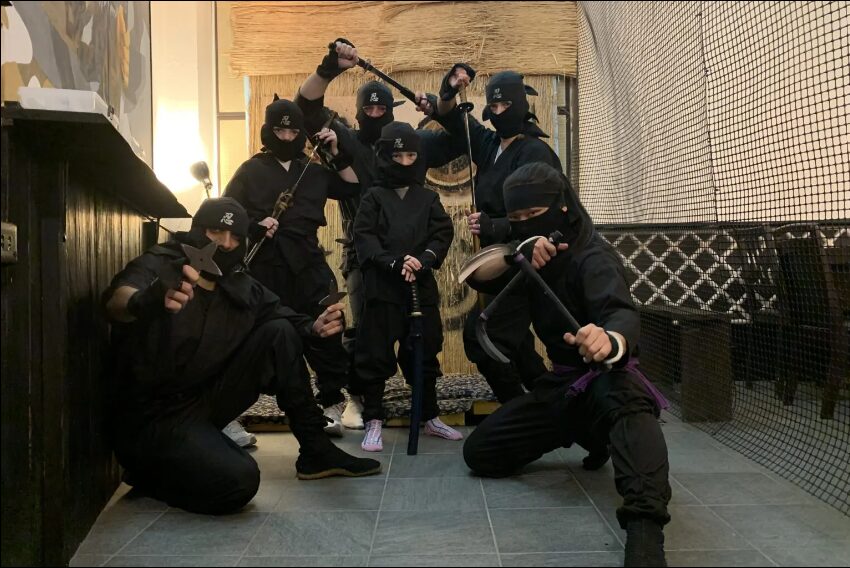
Step into an immersive world where you can learn real ninja techniques, throw authentic shuriken, try on traditional shinobi gear, and enjoy themed food and drinks inspired by legendary ninja lore.
Whether you are a die-hard manga fan or an anime enthusiast, an unforgettable adventure awaits!
Book your ninja training experience today!
What are we?
We run Ninja Experience Cafe in Tokyo, Kyoto and Osaka, Japan.
Here you can immerse yourself in Japanese culture through experiencing ninja training.
Both adults and children are welcome to try their hand at defeating the ninja master inside the cafe.
The cafe is an indoor interactive zone, so it can be enjoyed even on rainy days.
If you are thinking "I want to be a real ninja too!” or interested in becoming a real ninja, please visit us.
Reservations can be made here.
Unauthorized copying and replication of the contents of this site, text and images are strictly prohibited.