A Guide to Tokyo’s Fish Markets: Tsukiji and Toyosu
 Shinobu
Tokyo’s famous fish markets, Tsukiji and Toyosu, are far more than mere commercial hubs.
They are cultural landmarks that shape global culinary trends and daily life in Tokyo.
For travellers interested in Japanese culture, visiting these markets is more than just sightseeing; it serves as a gateway to understanding and experiencing Japan’s rich food culture.
This guide provides practical, easy-to-follow tips to ensure a smooth and enjoyable visit for first-time guests, followed by an area-by-area breakdown of what makes both the Tsukiji Outer Market and Toyosu Market must-visit destinations in Tokyo.
1. Market Basics and Visitor Etiquette
Tsukiji vs. Toyosu: What is the difference?
Tokyo’s primary fish market has evolved over time, starting in Nihonbashi, moving to Tsukiji, and now residing in Toyosu.
While both Tsukiji and Toyosu are famous, they offer completely different atmospheres.
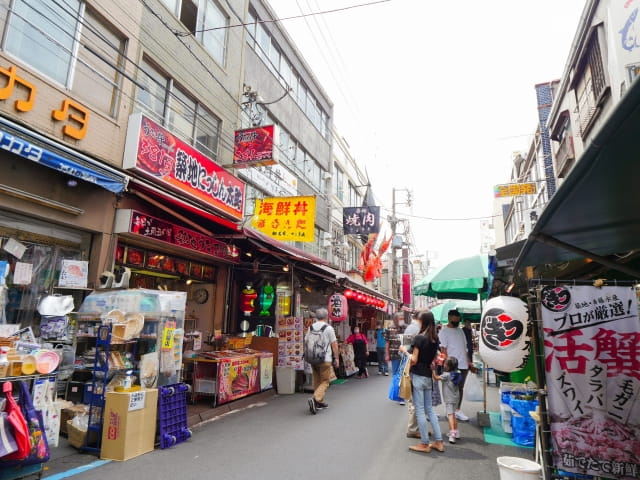
The Tsukiji Outer Market is all about traditional, bustling charm. Its narrow alleyways are packed with small shops and food stalls, making it the perfect spot to snack on street food and pick up souvenirs.
Although it attracts many tourists, it retains a wonderfully authentic local feel.
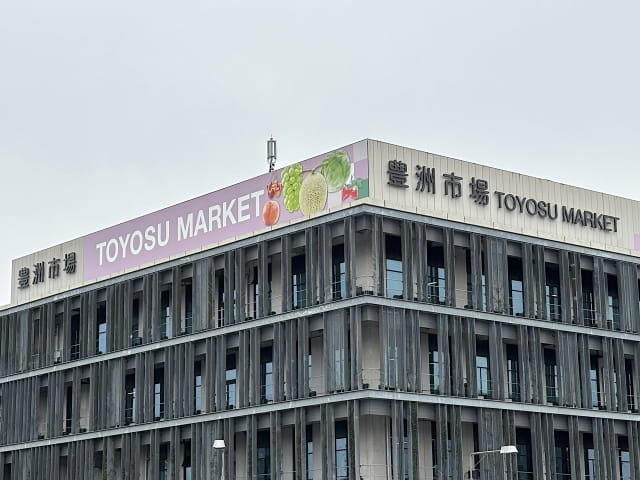
Toyosu Market, on the other hand, is the modern successor to Tsukiji’s original inner market.
Spanning a vast area with multiple state-of-the-art buildings, its layout is organised, spacious, and spotless.
While it lacks the rustic chaos of Tsukiji, it offers a sleek, comfortable viewing experience where visitors can see how a modern wholesale market operates.
How to enjoy the auctions and local dining
Toyosu is famous for its tuna auctions.
To view the auction from the lower observation deck near the action, you must apply for a advance lottery roughly one month prior.
However, you can still view the auction from the upper gallery windows without a reservation.
At both markets, the most important rule is to respect the working environment.
Tsukiji has many tight walkways, so it is best to avoid carrying large luggage.
At Toyosu, take care not to block vehicles or disrupt market workers.
Many eateries open early in the morning, making a lavish market breakfast one of the best ways to start your day.
Rules and essential tips
While these markets are major tourist attractions, they are primarily active workplaces.
Please refrain from loud behaviour or entering restricted working areas.
Toyosu has particularly strict safety controls, and visitors are restricted to designated public areas.
Another frequently overlooked detail is market closing days.
Many shops close on Wednesdays, Sundays, public holidays, and during the New Year period.
It is always wise to check the official calendar before setting out.
2. Recommended Experiences by Market
Tsukiji Outer Market
Although Tsukiji’s historic inner wholesale market relocated to Toyosu, the Tsukiji Outer Market remains a vibrant, bustling food town.
Here, you can immerse yourself in Tsukiji’s distinctive atmosphere, sample delicious street food, and enjoy unique shopping opportunities.
The joy of exploring and grabbing street food
The main charm of the Tsukiji Outer Market lies in its maze of narrow alleys lined with food stalls and shops.
Navigating this compact neighborhood while sampling local snacks, browsing kitchenware, or looking at dried goods is an exciting adventure in itself.
It is a true snack paradise, offering everything from Japanese rolled omelettes (tamagoyaki) to light bites, along with rare regional ingredients.
Must-try culinary delights
Seafood is, naturally, the star of the show.
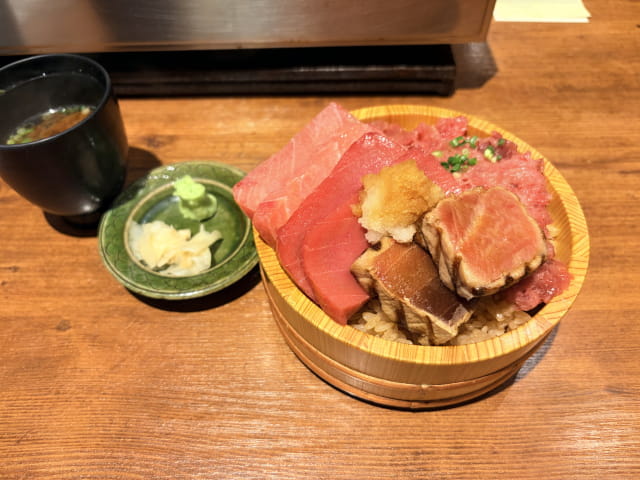
Tsukiji boasts numerous sushi and sashimi restaurants, with spots like Sushi Say Honto and Sushikuni being particularly popular.
Here, you can savour exceptionally fresh seafood, including sea urchin (uni), served either a la carte (okonomi) or as a chef’s selection (omakase).
For light snacks, freshly cooked tamagoyaki is a must.
The sweet, fluffy rolled omelettes at Marutake are famous for bursting with flavourful dashi broth in every bite.
Another popular local speciality is the tamagoyaki sandwich from Shoru.
If you prefer hot dishes, try the Kanto-style grilled eel at Nisshin Tasuke or traditional sweet rice dumplings at Mosuke Dango.
Depending on the season, you can also enjoy fresh, raw oysters.
Things to do beyond food
Tsukiji offers much more than eating on the go. It is a fantastic destination for shopping and cultural exploration.
Food enthusiasts will love the specialty shops selling high-grade seaweeds, bonito flakes, and culinary tools.
The surrounding area also features notable historical landmarks.
Tsukiji Hongwanji Temple impresses visitors with its unique ancient Indian-style architecture, while Namiyoke Shrine is dedicated to protecting fishermen and food vendors. Both offer peaceful stops during your walk.
Additionally, Tsukiji is home to several charming cafes.
Jugetsudo, featuring a striking bamboo umbrella canopy designed by architect Kengo Kuma, serves exquisite matcha mont blanc desserts paired with fine teas. Turret Coffee, named after the small motorized carts used around the market, is famous for its espresso drinks, lattes, and Basque cheesecake.
For fine dining, Tsukiji hosts Michelin-starred establishments such as Sushi Keita, an intimate eight-seat restaurant, and Seiju, known for its light, refined tempura.
Toyosu Market
This section explores Toyosu Market, focusing on its modern role as Japan's premier wholesale hub and what visitors can expect from the experience.
How it works: The excitement of auctions and wholesale
Toyosu is currently the largest fish market in Japan and the world.
Beyond seafood, it handles premium produce, including meats, vegetables, and fruits.
Designed with efficiency and freshness as top priorities, the market facilitates the trade of top-quality produce year-round.
The tuna auction is the main highlight, where professional buyers engage in intense, fast-paced bidding.
While visitors cannot step onto the auction floor itself, two dedicated viewing areas are available.
The ground-level deck lets you observe the action up close, including the traditional hand signals used during bidding.
Visitor attractions: Observation decks and Senkyaku Banrai
Toyosu Market was built to keep visitors and market operations safely separated.
As a result, its viewing galleries provide clear, safe views of the tuna auctions.
The Wholesale Market Building houses numerous restaurants serving ultra-fresh seafood.
Opening early in the morning, these spots are ideal for an authentic breakfast.
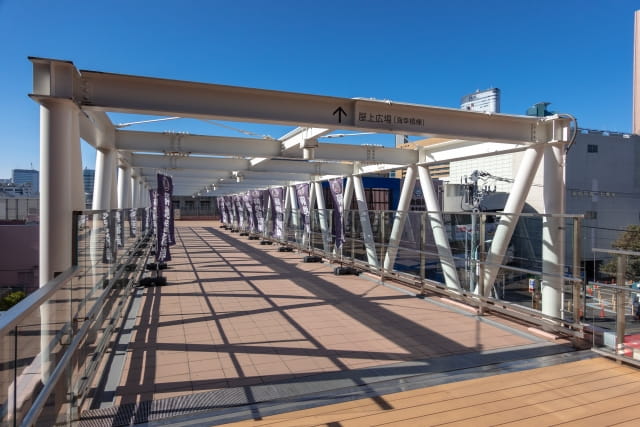
A major new addition is Senkyaku Banrai, an entertainment and retail complex opened in early 2024.
Designed to mirror the relationship between Tsukiji’s old inner and outer markets, this complex features restaurants, shops, and spa facilities, offering a complete space to eat, shop, and relax.
Dining spots: From sushi to classic coffee shops
The eateries at Toyosu open early, making them perfect for breakfast.
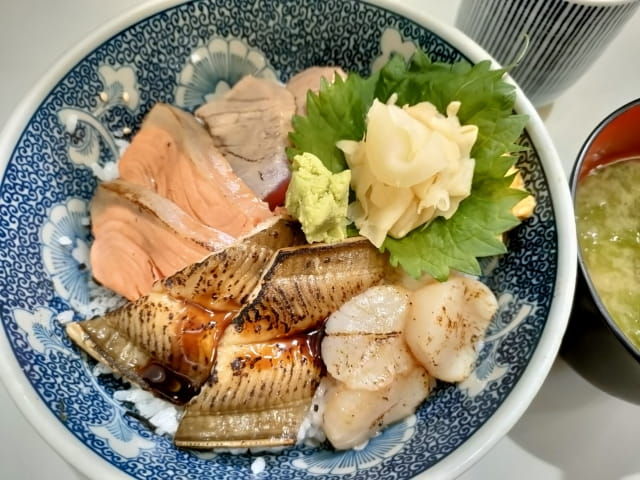
Daiwa Sushi and Sushi Dai are two of the most famous options, renowned for their incredible tuna.
On the third floor of the Fish Wholesale Building, you will find a wide variety of dining options beyond sushi and eel, including Japanese comfort staples like pork cutlet (tonkatsu), beef bowls (gyudon), and Japanese curry.
For a retro vibe, Senriken, a long-standing coffee shop, serves classic comfort foods like egg sandwiches and cheesecake.
On the fourth floor, Uogashi Yokocho features specialty shops selling ingredients and culinary tools.
Among them, Aritsugu, a historic knife maker tracing its origins to Japanese sword-smithing, is a must-visit for cooking enthusiasts.
3. Tsukiji vs. Toyosu: Key Comparisons Before You Go
Differences in atmosphere and experience
Tsukiji Outer Market offers traditional charm. Its narrow, labyrinthine alleys lined with small stalls create a lively, sensory-rich environment.
It is the best place for sampling street food, browsing small retail shops, and soaking in an authentic, energetic neighborhood vibe.
Toyosu Market is a large, modern complex spread across several multi-storey buildings.
Characterised by its clean layout and efficient wholesale operations, it offers an organized, hygienic, and educational viewing experience.
Visitors can safely observe the tuna auctions behind glass walls.
When it comes to dining, Tsukiji excels in street food, quick bites, and cozy, independent eateries.
Toyosu excels in high-end, sit-down restaurants directly connected to the wholesale trade, specializing in pristine sushi and fresh seafood dishes.
Getting around: Location and transport
Tsukiji and Toyosu are located less than two miles (3.2 km) apart, making it easy to visit both.
- To Toyosu
- Take the Tokyo Metro Yurakucho Line to Toyosu Station. Alternatively, the Yurikamome elevated train line connects Shimbashi to Toyosu, stopping directly at Shimbai-mae Station in the heart of the Toyosu Market complex.
- To Tsukiji
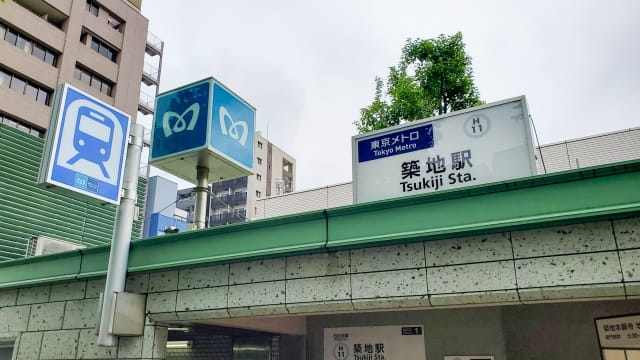
- Take the Toei Oedo Line to Tsukijishijo Station or the Tokyo Metro Hibiya Line to Tsukiji Station.
- The area is also within walking distance of JR Shimbashi Station.
Choosing your visit: Tailoring your itinerary
Choose Tsukiji if you prioritize culture, tradition, street food sampling, local shopping, and historic neighborhood exploration.
Choose Toyosu if you want to see a modern, high-tech wholesale market, watch the tuna auction, enjoy pristine sushi restaurants, or visit the new Senkyaku Banrai facility.
Combine both if you have time, using the short transit link between them to enjoy the best of both worlds in a single day.
4. Summary
At Tsukiji, you can enjoy traditional street food and historic neighborhood charm.
At Toyosu, you can observe a modern wholesale market in action and sample top-tier fresh seafood.
Visiting both offers a complete day of exploration and an immersive look into Japan’s incredible food culture.
If you want to experience authentic Japanese culture, the Ninja Experience Cafe is highly recommended!
Here, you can dress up in full ninja attire, enjoy ninja-themed food, and try your hand at throwing shuriken (ninja stars) and using blowguns.
Located in the prime sightseeing areas of Asakusa and Harajuku, it is the perfect spot to visit before or after your tour of Tsukiji and Toyosu!

What are we?
We run Ninja Experience Cafe in Tokyo, Kyoto and Osaka, Japan.
Here you can immerse yourself in Japanese culture through experiencing ninja training.
Both adults and children are welcome to try their hand at defeating the ninja master inside the cafe.
The cafe is an indoor interactive zone, so it can be enjoyed even on rainy days.
If you are thinking "I want to be a real ninja too!” or interested in becoming a real ninja, please visit us.
Reservations can be made here.
Unauthorized copying and replication of the contents of this site, text and images are strictly prohibited.