Why Is Japan So Clean? A Country with Few Trash Cans
 Shinobu
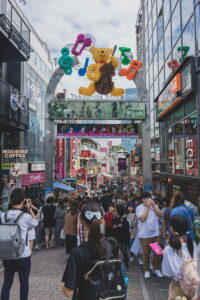
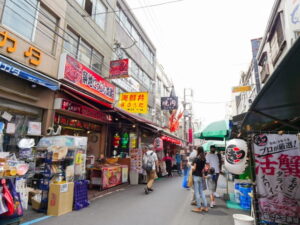
One of the first things that surprises travelers visiting Japan is how remarkably clean the streets are.
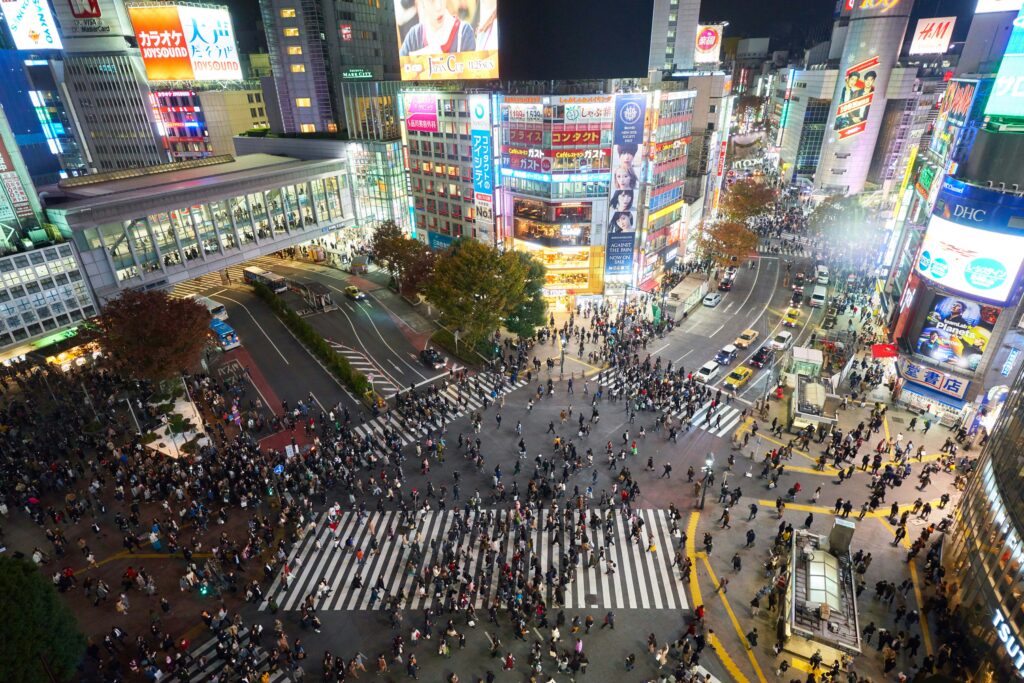
What makes this even more puzzling is that even when walking through busy train stations or popular tourist destinations, public trash cans are nowhere to be found—yet there is virtually no litter on the ground.
Why are Japanese cities so clean?
And how do they stay spotless despite the distinct lack of public garbage bins?
The answer lies in a combination of childhood habits, a deeply rooted cultural value of purity, a highly detailed waste-sorting system, and a shared mindset that "your trash is your own responsibility."
This article explores the mystery of Japan's cleanliness from both a cultural and practical perspective, offering valuable insights for international visitors.
- Why Is Japan So Clean Even Without Trash Cans?
- Education: "Clean It Yourself" Starts in Childhood
- Religion & History: The Inherited Value of Purity
- Rules & Infrastructure: Why Public Trash Cans Are Intentionally Scarce
- Manners & Social Awareness: Maintaining Harmony in Public Spaces
- Useful Items: Small Travel Essentials That Help Keep Japan Clean
- Practical Travel Guide: How to Handle Trash as a Tourist in Japan
- Summary
1. Why Is Japan So Clean Even Without Trash Cans?
Japan's cleanliness isn't simply the result of constant street sweeping.
Rather, it stems from a society where litter-preventing behaviors are deeply embedded in daily life.
Foreign tourists often wonder: "How can a place be so spotless when there are no places to throw things away?"
To answer this, it isn't enough to simply say "Japanese people are neat."
It is actually the result of several overlapping factors:
- School cleaning routines that teach early responsibility.
- Respectful public behavior learned through social customs.
- The habit of carrying trash home instead of discarding it outside.
- Strict local and institutional waste management rules.
Japan’s cleanliness exists because individual aesthetics align perfectly with societal systems.
While this may look extraordinary to tourists, it is completely natural to locals.
The pristine streets are not an accident—they are the outcome of a lifestyle culture cultivated over generations.
Furthermore, Japanese culture emphasizes preventing mess in the first place rather than cleaning it up after the fact.
This philosophy applies everywhere: schools, homes, workplaces, trains, and shopping districts.
Together, these daily habits sustain one of the cleanest environments in the world.
2. Education: "Clean It Yourself" Starts in Childhood
Schooling plays a fundamental role in shaping Japan's culture of cleanliness.
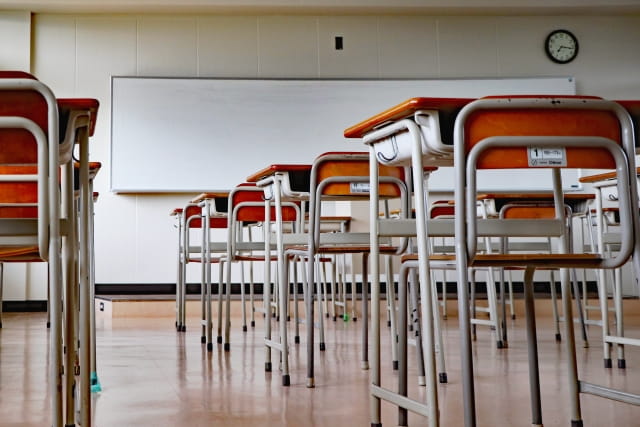
In most Japanese schools, students clean their own classrooms, hallways, and even restrooms.
Cleaning (o-soji) is not outsourced to janitorial staff; it is taught as a shared responsibility.
Through this practice, keeping surroundings clean becomes a natural duty rather than a special chore.
School life also instills small daily habits, such as:
- Taking care of shared equipment and spaces.
- Tidying up desks after class.
- Aligning shoes neatly at entrances.
These actions are more than simple rules; they teach children not to inconvenience others, to restore order to spaces they use, and to reduce extra work for those around them.
Cleanliness is not just a concept read in textbooks—it is absorbed through daily experience.
This educational background carries straight into adulthood.
It explains why adults refrain from eating while walking on trains, avoid making noise in public spaces, and naturally pick up litter when they see it.
By cleaning together, students also learn teamwork and cooperation.
They realize that a clean environment requires everyone's participation, fostering a strong sense of civic duty that protects public spaces later in life.
3. Religion & History: The Inherited Value of Purity
Religion also plays a key role in Japan's approach to cleanliness.
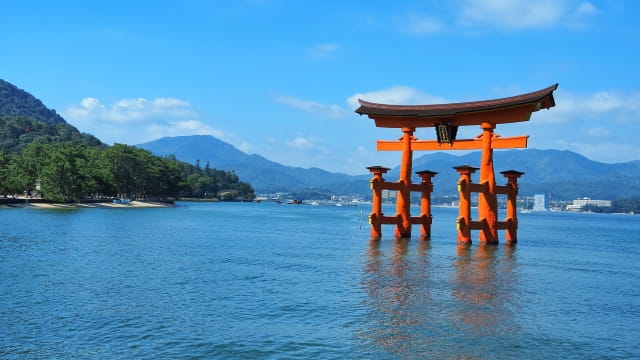
In Shinto, spiritual purity (kegare avoidance) is essential.
The ritual of washing one's hands and mouth before entering a Shinto shrine reflects this concept.
In Japan, cleaning is not merely a hygienic practice—it is an act of clearing and resetting one's mind.
Historically, Japanese society has always placed high value on maintaining order within the community.
Key social virtues include:
- Avoiding causing trouble (meiwaku) to others.
- Preserving a peaceful atmosphere.
- Respecting shared spaces.
Over time, these values shifted from religious doctrines to everyday lifestyle habits.
Cleanliness became accepted not just as something "nice to do," but as the natural way to live.
Historically, residents in villages and towns had to cooperate to maintain roads, waterways, and residential areas.
Keeping shared spaces tidy was vital for safety and comfort.
Today, this practical historical wisdom seamlessly persists in modern urban spaces.
Additionally, a clean environment creates a psychological barrier: people hesitate to throw trash in an already spotless place.
The combination of religious aesthetics and historical community spirit reinforces Japan’s unique culture of cleanliness.
4. Rules & Infrastructure: Why Public Trash Cans Are Intentionally Scarce
There are practical reasons why public trash cans are rare in Japan:
- Security and Safety
- Public trash bins can pose security risks if left unmonitored.To prevent safety hazards, municipal authorities intentionally limit their placement in busy public spots like stations and tourist hubs.
- Complex Recycling Rules
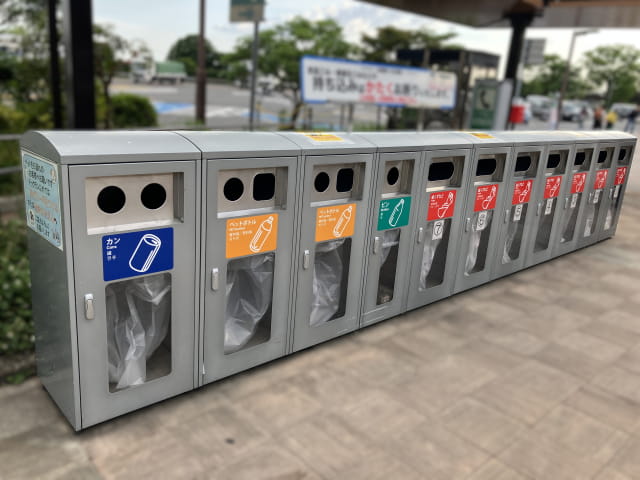
- Japan has a rigorous waste sorting system.
- Trash must be strictly categorized into combustible waste, non-combustible waste, plastics, aluminum cans, glass bottles, and PET bottles.
- Sorting rules and collection schedules even vary by municipality, making public disposal complex to manage.
- Targeted Disposal Bins
- Where trash cans do exist—such as inside convenience stores, train stations, or next to vending machines—they are designed for specific items (e.g., recycling plastic bottles bought at that location) rather than general public waste.
- Rather than building infrastructure that lets people discard trash anywhere, Japan's system encourages proper management and personal responsibility.
- While the lack of public bins may seem inconvenient, it intentionally prompts individuals to carry their trash home.
5. Manners & Social Awareness: Maintaining Harmony in Public Spaces
The single biggest factor keeping Japanese cities clean is public etiquette.
Carrying home waste generated outdoors is second nature to most residents.
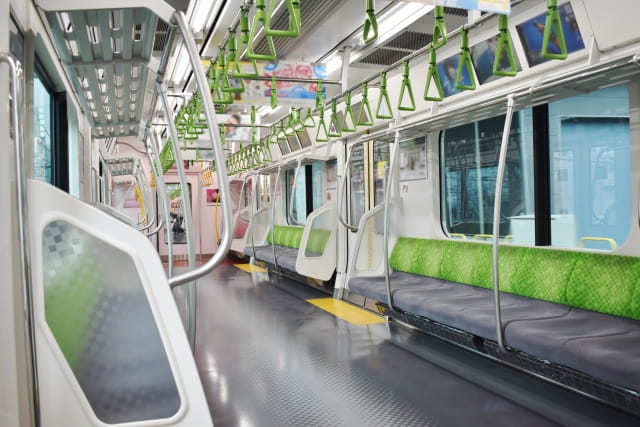
If people eat street food, they hold onto the packaging; on buses or trains, they act quietly and mindfully.
Japanese etiquette relies on consideration for others (omotenashi and meiwaku-kake-nai culture).
Instead of asking "What is easiest for me?", people naturally consider "Will this make others uncomfortable?"
Social awareness also maintains order in public spaces.
Leaving trash behind, speaking loudly, or dirtying public seating invites strong social disapproval.
This unspoken social pressure helps preserve a pleasant environment for everyone.
Furthermore, keeping things clean is normalized.
Picking up a dropped piece of litter isn't viewed as an extraordinary act of heroism—it's simply considered good common sense.
6. Useful Items: Small Travel Essentials That Help Keep Japan Clean
Japan's cleanliness is supported by everyday products that make managing personal waste easy:
- Portable Trash Pouch/Holders: Compact bags meant specifically for holding personal trash inside your backpack.
- Small Plastic/Zipper Bags: Essential for storing wrappers and food waste until you return to your hotel.
- Pocket Tissues & Wet Wipes: Commonly distributed and carried for quick cleanups on the go.
In Japan, household trash cans and recycling bins are also designed to hide odors and separate waste efficiently, making neatness an effortless daily habit.
For travelers, keeping a small plastic bag in your pocket or daypack makes exploring Japanese cities stress-free and convenient.
7. Practical Travel Guide: How to Handle Trash as a Tourist in Japan
To enjoy a smooth and respectful trip to Japan, keep these practical tips in mind:
- Always Carry a Small Trash Bag
- Instead of hunting for public bins, prepare to hold onto your trash until you return to your accommodation or find a designated bin.
- Follow Street Food Etiquette
- In many tourist areas, eating while walking (aruki-kui) is discouraged.
- Eat near the stall where you bought your food, use provided benches, and return food wrappers directly to the vendor.
- Use Convenience Store and Vending Machine Bins Properly
- Vending Machine Bins: These are strictly for plastic bottles and cans—not general litter.
- Convenience Store Bins: Use these primarily for items purchased at the store, and pay attention to the sorting labels (Plastic vs. Paper vs. Bins/Cans).
If you are ever unsure where to throw something away, the best practice is simply to take it back to your hotel.
8. Summary
Japan’s clean streets are not the result of constant cleaning crews, but the reflection of a rich living culture.
It is maintained by values built in childhood, historical reverence for purity, strict recycling infrastructure, and mutual respect in public spaces.
The shortage of trash cans is not an oversight—it is part of a system that relies on personal accountability.
While this setup may require a slight adjustment for international travelers, understanding the culture behind it makes the journey far more rewarding.
Japan's pristine cityscape is, above all, a mirror of its society.
What are we?
We run Ninja Experience Cafe in Tokyo, Kyoto and Osaka, Japan.
Here you can immerse yourself in Japanese culture through experiencing ninja training.
Both adults and children are welcome to try their hand at defeating the ninja master inside the cafe.
The cafe is an indoor interactive zone, so it can be enjoyed even on rainy days.
If you are thinking "I want to be a real ninja too!” or interested in becoming a real ninja, please visit us.
Reservations can be made here.
Unauthorized copying and replication of the contents of this site, text and images are strictly prohibited.