Iga Ninja vs Koka Ninja: The History of Ninjas!
 Shinobu
The "ninja" of Japanese history are figures that continue to fire the imaginations of people all across the globe.
Among them, the two most renowned factions are undoubtedly the Iga ninja and the Koka ninja.
While both were authentic, historically verified ninja collectives, remarkable differences existed in their strongholds, techniques, and combat doctrines.
In this article, we explain the distinct characteristics of both clans centered around Iga in Mie Prefecture and Koka in Shiga Prefecture in an accessible way, incorporating historical context and popular legends.
Please enjoy this read as your first step into the profound realm of the ninja.
1. What Were Ninja?
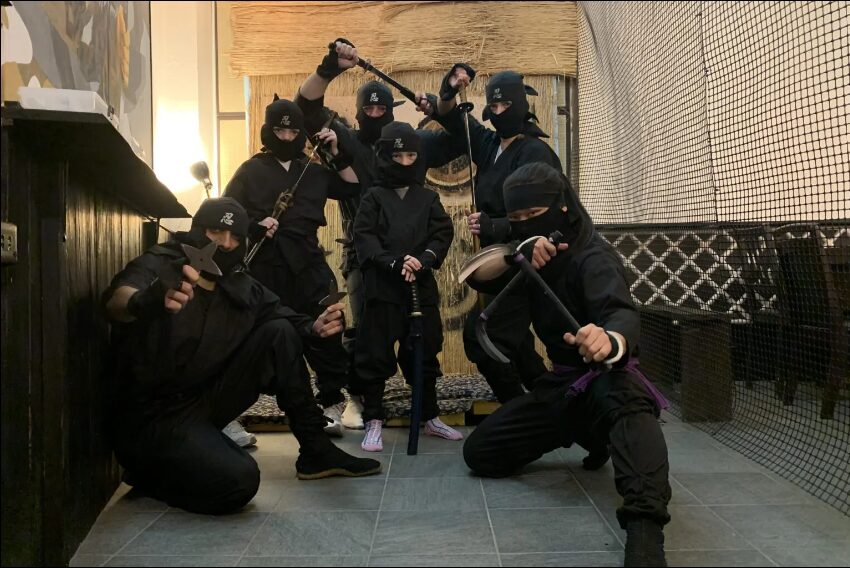
Ninja (also known as shinobi) were intelligence and espionage specialists who operated primarily during Japan's Sengoku period (15th to 17th centuries). Unlike samurai who fought openly on the battlefield, their duties centred largely on clandestine operations: reconnaissance, infiltration, sabotage, disguise, and assassination.
Ninja disguised themselves as farmers, Buddhist monks, or merchants to slip into enemy territory, gathering critical intelligence and sowing confusion among adversaries.
Consequently, they were said to possess not only remarkable physical prowess, but also keen powers of observation, mastery of disguise, and sophisticated psychological tactics.
Furthermore, rather than serving as regular standing armies, they functioned much like mercenaries or autonomous guilds, frequently hired by Sengoku warlords and samurai commanders.
2. Overview of Iga Ninja and Koka Ninja
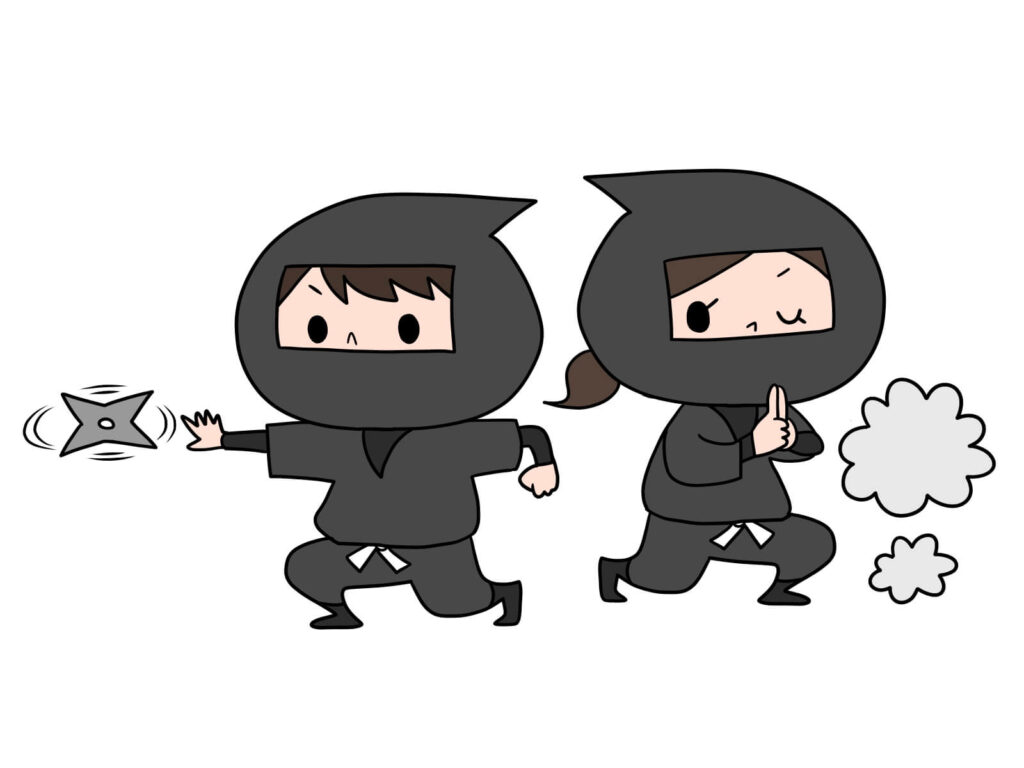
The Iga ninja and Koka ninja were the two foremost ninja collectives, based respectively in present-day Iga City, Mie Prefecture, and Koka City, Shiga Prefecture.
Iga Ninja
Formed an independent military collective within the rugged, mountain-ringed basin of Iga.
Renowned for their elite individualism, they placed paramount value on martial capability and strict secrecy.
Koka Ninja
Flourished across the gentler rolling hills of Koka. Characterised by collective leadership and an autonomous communal structure, they were recognised as a practically and politically sophisticated organisation.
Both factions cultivated their own distinct systems of ninjutsu shaped by contrasting topography and historical circumstances, leaving behind legacies as the authentic heartlands of the ninja.
3. Origins of the Iga and Koka Ninja
The origins of the Iga and Koka ninja share striking parallels, yet reveal clear distinctions.
The Origins of Iga
The roots of the Iga ninja trace back to the late Kamakura and Nanboku-cho periods, when local jizamurai (provincial warrior-landholders) established self-defence armed leagues across the mountain valleys.
Refining their own tactical methods to survive relentless civil strife, they eventually formed an autonomous confederation known as the Iga Sokoku Ikki.
Possessing high-calibre military expertise, they earned immense trust from warlords throughout Japan as fully fledged shinobi.
The Origins of Koka
While the Koka ninja likewise originated among local jizamurai, their development took on a political and self-governing character much earlier.
Prominent families known as the Fifty-Three Houses of Koka banded together to establish a loose cooperative alliance called the Koka Sokoku Ikki.
Maintaining their livelihoods as farmers while mobilising for military action whenever necessary, they maintained an exceptionally balanced societal structure.
4. Differences in Mission Styles and Organisational Structures
Iga: Elite Individualism and Independent Mercenary Mindset
The Iga ninja included many individuals of exceptional personal martial ability, often carrying out solitary assignments with the pride of an elite operative.
Divided into multiple small units, they rarely submitted to a single feudal master, operating generally as independent mercenaries hired by various Sengoku warlords.
Koka: Organisational Cohesion and Communal Strategy
Conversely, the Koka ninja excelled in collective decision-making and coordinated team operations, typically undertaking missions in cooperative groups.
Grounded in sound political judgement and formal pacts, they were adept at meticulous negotiations and information warfare, earning great renown as behind-the-scenes political facilitators.
5. Differences in Combat Styles
Iga: Specialists in Ambush and Infiltration
The Iga ninja excelled in nighttime raids and stealth manoeuvres through dense mountain forests, characterised by a strike-and-fade tactical approach.
Making full use of natural terrain for guerrilla warfare, they often favoured psychological manipulation and information control over direct, frontal engagements.
Koka: Prudent Strategists Emphasising Coordination and Negotiation
Koka ninja frequently adopted community-oriented methods, securing the backing of neighbouring villages and enlisting local civilian cooperation.
Their discipline of accomplishing missions with minimal confrontation cemented their reputation as a politically refined collective of master strategists.
6. Differences in the Use of Tools and Equipment
Both clans made extensive use of specialised gear termed "ninju" or ninja tools, yet distinct variations appeared in their application and development.
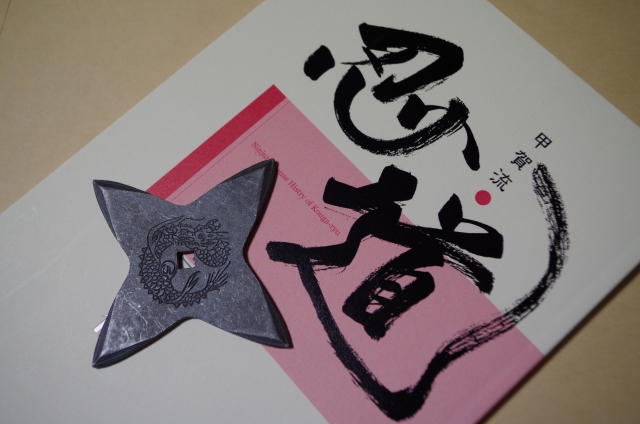
Iga ninja prioritised direct combat readiness, heavily deploying shuriken, grappling ropes (kaginawa), and gunpowder devices with a sharp focus on mobility and offensive power.
Koka ninja were remarkably skilled in the application of medicinal herbs, poisons, disguise kits, and intelligence-gathering instruments, with many reputed to be well-versed in pharmacology and medicine.
As a result, history has cast Iga as combat-oriented operatives and Koka as masters of psychological manoeuvring and strategic coordination.
7. The Relationship Between Iga and Koka
Contrary to widespread belief, Iga and Koka were not bitter rivals.
Rather, they maintained a friendly, complementary alliance, frequently sharing common interests and occasionally executing missions in partnership.
During the Tensho Iga War of 1581, Iga fiercely resisted the overwhelming forces of Oda Nobunaga before falling.
Yet following this ordeal, ninja from both Iga and Koka who entered the service of Tokugawa Ieyasu played a vital role in founding the Edo shogunate.
Most famously during Ieyasu's Crossing of Iga (in 1582, immediately following the Honno-ji Incident), ninja from both Koka and Iga risked their lives escorting Ieyasu to safety.
This daring feat led directly to their formal appointment into the Iga-gumi and Koka-gumi (including the Hundred-Man Gun Units), serving the shogunate in castle security and covert intelligence operations.
8. Summary
Though divergent in origin, combat philosophy, and social structure, both the Iga and Koka ninja fully embodied the true spirit of the shinobi: achieving great deeds while remaining hidden from sight.
Far from mere myth and folklore, their exploits genuinely underpinned the clandestine machinery of Japanese history.
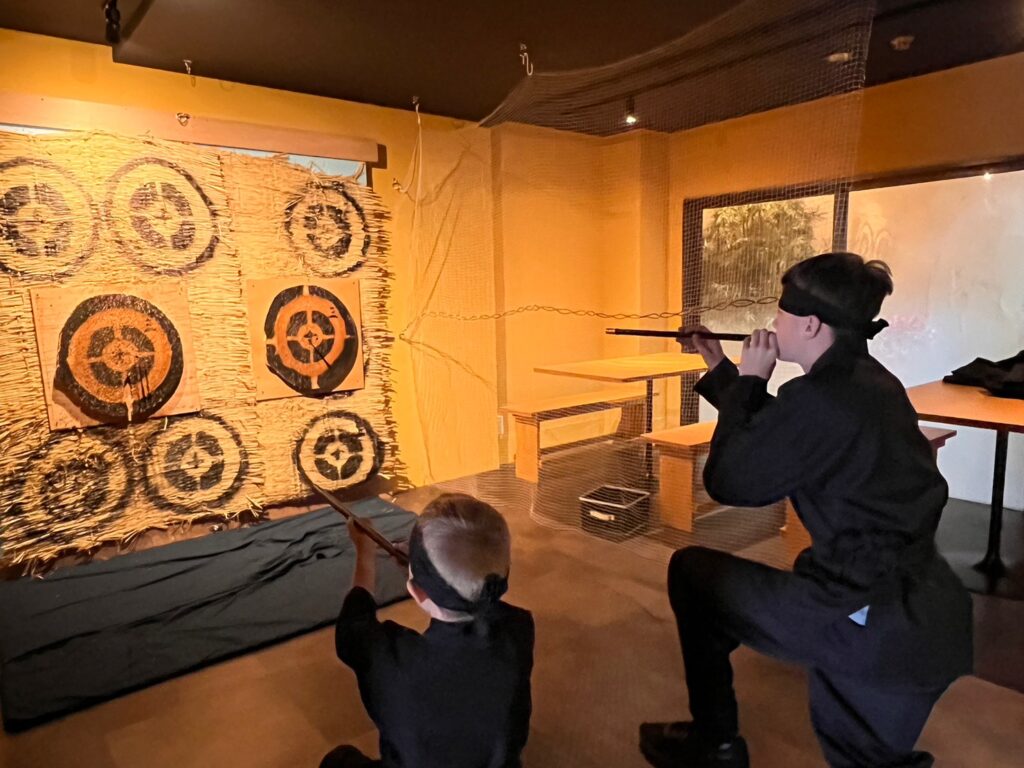
In cities such as Tokyo, Kyoto, and Osaka, you can visit the Ninja Experience Cafe where you can don authentic ninja garments, enjoy themed meals, and tackle immersive missions.
Packed with exciting activities for children and adults alike, you can practice throwing real shuriken or try your hand at disguise and concealment arts.
During your travels, treat yourself to a unique experience that engages all five senses within the world of the ninja.
The true fascination of the ninja comes alive not just through historical lore, but through hands-on participation.
Your own ninja journey might very well begin right here.
What are we?
We run Ninja Experience Cafe in Tokyo, Kyoto and Osaka, Japan.
Here you can immerse yourself in Japanese culture through experiencing ninja training.
Both adults and children are welcome to try their hand at defeating the ninja master inside the cafe.
The cafe is an indoor interactive zone, so it can be enjoyed even on rainy days.
If you are thinking "I want to be a real ninja too!” or interested in becoming a real ninja, please visit us.
Reservations can be made here.
Unauthorized copying and replication of the contents of this site, text and images are strictly prohibited.