Fire Prevention System in Tokyo, Japan Dating Back to Edo
 Shinobu
Edo was one of the most fire-prone cities in the world.
Densely packed with structures built primarily from wood and paper, and subjected to dry winter winds and heavy foot traffic, once a blaze broke out, it readily led to immense devastation.
Yet, the residents of Edo did not simply live in fear of fire.
By organising firefighting brigades, designing roadways and open spaces with forethought, and even adapting building construction for fire resistance, the entire city confronted the threat of fire collectively.
In this article, presented in an accessible manner for international visitors interested in Japanese culture, we introduce the role of Edo's firefighters and the fire prevention systems woven directly into its urban planning.
Learning why Edo suffered so many fires and how its people endeavoured to prevent them reveals the profound ingenuity behind urban development during this period.
- Reasons Why Fires Were So Frequent in Edo
- What Were the Firefighters of Edo?
- The Exploits of Machi-bikeshi and the Edo Style of Firefighting
- Urban Planning Seen Through Hiyokechi and Hirokoji
- Architectural Methods to Make Buildings Fire-Resistant
- The Culture of Fire Prevention Supported by Townspeople
- Traditional Events Associated with Firefighting
- Edo's Disaster Preparedness Philosophy Connected to the Present Day
- Summary
1. Reasons Why Fires Were So Frequent in Edo
The primary factor behind the frequent fires in Edo lay in the very structure of the city.
Edo consisted largely of wooden architecture, and highly combustible materials were widely used for walls and roofs alike.
Furthermore, houses stood extremely close to one another in packed neighbourhoods, meaning that a fire breaking out in a single home could sweep rapidly across the surrounding area.
At that time, modern electrical or gas safety installations did not exist.
Open flames were an everyday presence in daily life: cooking hearths, candles, paper lanterns, and charcoal heating.
When combined with dry air and strong seasonal winds, small accidents could escalate into major conflagrations in moments.
The most notorious of these was the Great Fire of Meireki in 1657, which destroyed even the main keep of Edo Castle and reduced most of the city to ashes.
In Edo, arson was also a serious issue alongside accidental fires.
Within this massive metropolis where a dense population concentrated, interpersonal friction and social unrest occasionally led to deliberate blazes.
In short, Edo's fires were not mere strokes of misfortune; they were an inherent risk born of the city's rapid urban growth itself.
2. What Were the Firefighters of Edo?
The firefighters of Edo were far more than people who simply put out fires.
Operating on the premise that fires would inevitably happen, they were specialists tasked with halting the spread of flames and minimising devastation.
The firefighting system of the Edo period was divided into distinct operational branches.
There were the daimyo-bikeshi, units assigned by feudal lords (daimyo); the jo-bikeshi, brigades under the direct command of the shogunate; and the machi-bikeshi, brigades organised among the townspeople.
Having individuals of varied social standing and classes shoulder responsibility for fire defence was a hallmark of Edo society.
Because fires could erupt at any moment, an immediate response system was essential.
Firefighters rushed swiftly to the scene of a fire, pulling down surrounding structures to prevent flames from spreading.
Whereas modern firefighting prioritises extinguishing blazes with water, in Edo, containing the spread of fire took precedence.
For that reason, firefighting demanded not only immense physical bravery, but also sharp situational judgement and rapid decision-making.
3. The Exploits of Machi-bikeshi and the Edo Style of Firefighting
Among the firefighters of Edo, the machi-bikeshi were particularly renowned.
The machi-bikeshi were townspeople's brigades organised under the eighth shogun, Tokugawa Yoshimune, by the town magistrate Ōoka Tadasuke, and were divided into units such as the "Iroha 47 brigades" that covered the districts west of the Sumida River.
Formed mainly by physically robust individuals such as tobi construction workers, who were accustomed to working at height, they mobilised quickly during emergencies to handle demolition and containment.
Firefighting in Edo did not rely on pouring vast amounts of water over flames as we do today.
With the water resources and equipment available at the time, battling raging blazes directly with water was largely impracticable.
Instead, they practised destructive firefighting, tearing down houses ahead of the flames to create firebreaks that starved the fire of fuel.
This might seem a drastic and destructive measure at first glance.
However, considering that a fire could swallow the entire metropolis, it was an exceptionally pragmatic and rational choice.
The concept of dismantling buildings to stop a fire clearly reflects Edo's advanced awareness of fire containment.
The machi-bikeshi were not merely operational units; they became an integral part of Edo's urban culture.
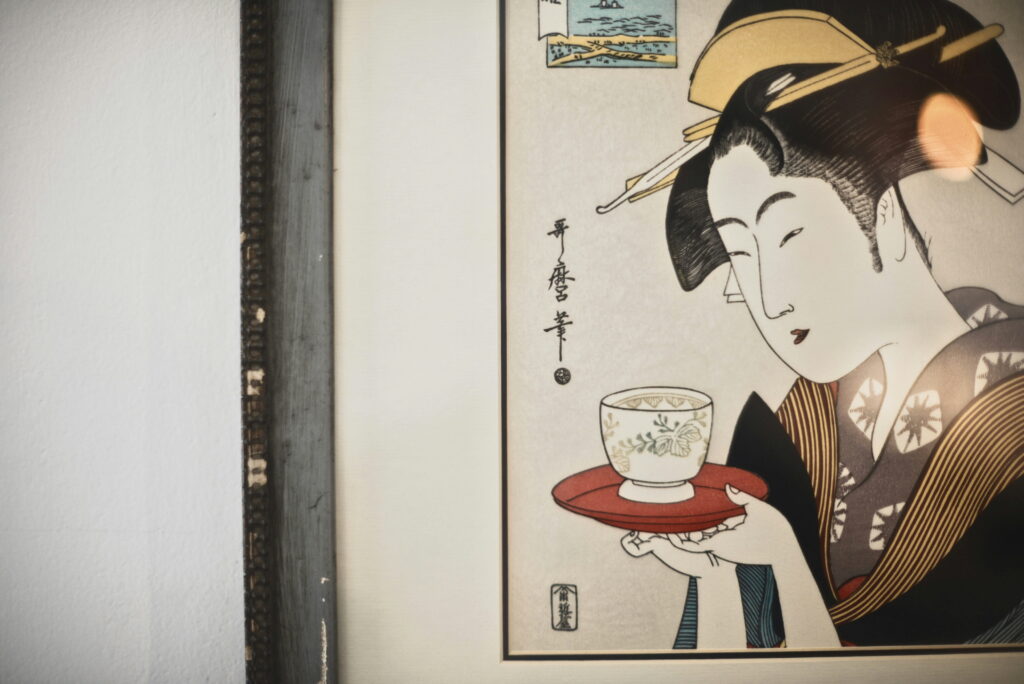
Their gallant, dashing bearing made them folk heroes among the populace, and equipment such as the tobiguchi pike hook and their distinct hanten coats remain celebrated symbols of historic Edo.
Their work on the firegrounds was perilous, but it was also a source of deep civic pride.
4. Urban Planning Seen Through Hiyokechi and Hirokoji
Fire prevention in Edo did not rely entirely on the efforts of firefighters alone.
Structural measures to make the city itself resilient to fire played an equally crucial role.
Foremost among these were hiyokechi (firebreaks) and hirokoji (broad avenues), which were laid out across the city after the Great Fire of Meireki.
Hiyokechi were open, cleared grounds designated specifically to halt advancing fires.
Building was prohibited in these zones so that, during a fire, they acted as open buffers preventing flames from jumping across.
They also functioned as emergency evacuation spaces, serving as vital safety margins within the dense urban fabric.
Hirokoji broad avenues were another indispensable fixture supporting Edo's fire defence.
By widening central roads, the city prevented blazes from leaping across streets from one block to another.
Simultaneously, these wide thoroughfares facilitated the rapid movement of firefighting units and ensured safe escape corridors for fleeing citizens.
Some, such as Ueno Hirokoji and Ryogoku Hirokoji, survive as place names in Tokyo today.
In ordinary times, these open spaces bustled with street stalls and sideshow tents, turning fire defence zones into lively places of entertainment.
Edo's urban design was thus developed with careful attention not merely to aesthetic order, but to systematic fire prevention.
Designing neighbourhoods around spatial buffers was not just street beautification; it was disaster risk reduction in practice.
5. Architectural Methods to Make Buildings Fire-Resistant
In Edo, fire safety knowledge was applied not only to the street layouts, but also to individual building methods.
Key examples included tile roofing (kawarabuki), thick earthen storehouse construction (dozō-zukuri), and earthen-plastered exteriors (nuriya-zukuri).
These methods were developed to mitigate the vulnerability of timber framing and make it harder for sparks and flames to catch.
In particular, earthen storehouses, with their thick mud walls, were remarkably fire-resistant and served to protect precious family heirlooms, records, and trade goods.
The adoption of such architectural methods by merchant houses and storehouses was a natural evolution in a city as prone to fires as Edo.
Under Yoshimune, ordinary townhouses were also encouraged to adopt tiled roofs and plastered walls, in an effort to make the whole city harder to burn.
6. The Culture of Fire Prevention Supported by Townspeople
Fire prevention in Edo was not the sole purview of government officials or dedicated brigades.
Ordinary townspeople also needed to maintain a high degree of vigilance in their everyday lives.
Exercising caution with fire, thoroughly extinguishing night lights and embers, and collaborating with neighbours formed the baseline of civil life.
A fire was never treated as an isolated incident concerning only one household; it was a crisis for the entire neighbourhood.
Consequently, communal bonds were paramount in Edo.
Upon hearing the alarm of a blaze, neighbours rallied immediately to suppress the danger and protect one another.
This culture of mutual vigilance reflected a strong civic spirit, in which urban citizens shared risk and guarded their city collectively.
Fire prevention in Edo was sustained not merely through physical measures, but through deep human solidarity.
7. Traditional Events Associated with Firefighting
The culture of Edo firefighting extended beyond day-to-day vigilance into a variety of ceremonies and traditional arts.
Even through the Meiji period and into the modern era, successors carrying on the lineage of the machi-bikeshi have preserved rites and public events honouring this history.
Foremost among these traditions are the Dezomeshiki New Year review, memorial ceremonies, ladder-top acrobatics (hashigonori), kiyari work chants, and the display of the matoi standards.
Dezomeshiki and Memorial Services for Fallen Firefighters
Dezomeshiki is an important annual ceremony marking the start of firefighting duties for the new year.
During the Edo period, it originated with the shogunate's jo-bikeshi brigades and was likewise held across local quarters by machi-bikeshi units.
It served as a formal, auspicious occasion to reaffirm the protective spirit and readiness of the brigades.
Organisations such as the Edo Shobo Kinenkai, an association that preserves the traditions of Edo's town firefighters, have dedicated themselves to safeguarding and passing down this cultural heritage.
While distinct from contemporary municipal fire departments, these bodies keep the living traditions of Edo firefighting vibrant today.
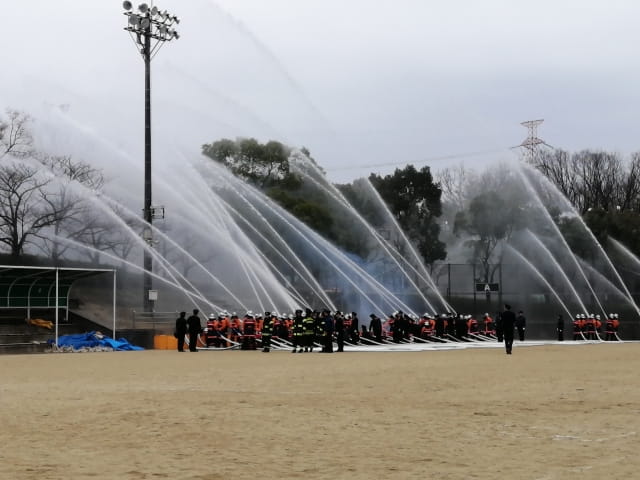
Every May, the Edo Shobo Kinenkai and the Tokyo Fire Department hold a memorial service for fallen firefighters before the monument honouring them in the grounds of Senso-ji Temple in Asakusa.
To the sound of kiyari chants, members in traditional firefighter dress parade through the temple grounds twirling their matoi standards, and ladder-top acrobatics are performed.
It is a ceremony that honours those who confronted fire through the very culture of Edo's firefighters.
Ladder-Top Acrobatics (Hashigonori)
Hashigonori is a spectacular performance emblematic of Edo firefighting heritage.
Acrobats demonstrate perilous balancing feats atop tall, slender bamboo ladders held steady only by comrades below, requiring immense courage, physical conditioning, and years of disciplined practice.
Far from mere entertainment, it originally demonstrated the agility, strength, and fearlessness essential for working at dangerous heights amid burning buildings.
Performed during the New Year's Dezomeshiki, ladder-top acrobatics celebrate the coming year while serving as a prayer for safety and the absence of disasters.
The spirit of Edo's firefighters continues to be presented to the public in this vibrant, living form.
Kiyari Chants
Kiyari is a traditional performing art that evolved from rhythmic work chants.
Originally sung to coordinate physical effort on timber transport and construction sites, it took on formal ceremonial significance within Edo firefighting circles.
At New Year ceremonies and memorial services, kiyari chants set a dignified tone and bestow formal prestige upon the gathering.
Kiyari also evokes how the city of Edo was built and sustained through human effort and cooperation.
By uniting voices and focusing collective willpower, it symbolises the shared communal consciousness underlying fire prevention.
Matoi
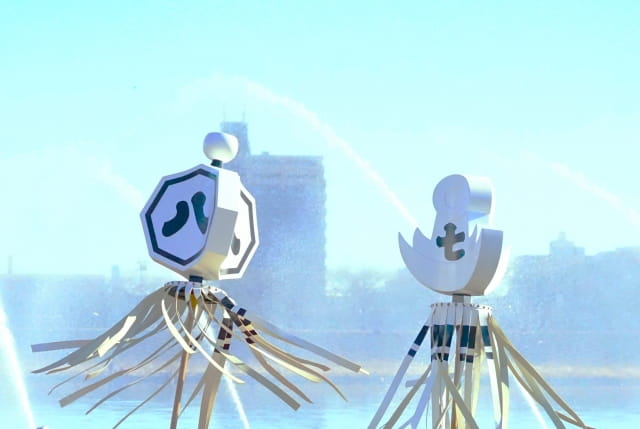
The matoi standard was the ultimate emblem of an Edo firefighting unit.
Raised high upon rooftops near the front lines of a blaze, the matoi served as an unmistakable beacon signalling which brigade was handling the scene, functioning as an inspiring mark of unit honour.
Even today, the matoi plays a central ceremonial role in events held by the Edo Shobo Kinenkai.
Beyond its visual presence, the matoi represents organisational lineage and historical tradition.
Each brigade's matoi carries the proud history, identity, and prestige of Edo's firefighting pioneers.
8. Edo's Disaster Preparedness Philosophy Connected to the Present Day
The firefighting methods and urban planning of Edo contain numerous insights relevant to modern disaster management.
These include rapid-response operational readiness, vacant buffer zones to arrest the spread of disaster, wide avenues for safe evacuation, and fire-resistant building practices.
All of these remain fundamental principles in contemporary disaster prevention planning.
Precisely because fire was an ever-present peril, Edo embedded fire prevention into the structural fabric of the city itself.
Rather than simply dealing with damage after catastrophe struck, the approach sought to mitigate risk through the intentional design of the urban environment.
For those of us considering urban resilience today, there is a great deal to learn from this historical legacy.
9. Summary
The term Edo firefighter refers to far more than individuals who fought flames with raw courage.
Edo's fire defence system was formed through the integration of civic brigades, deliberate urban planning featuring broad avenues and firebreak plazas, architectural innovations, civilian vigilance, and traditional communal rites.
Though often said to have been one of the most fire-prone cities in history, Edo was simultaneously an extraordinarily forward-thinking city in its approach to disaster prevention.
The wisdom of Edo, where an entire metropolis was designed to survive alongside fire, continues to demonstrate the profound depth of Japanese culture today.
When you stroll through areas that still carry the atmosphere of old Edo, such as the neighbourhood around Senso-ji in Asakusa, take a moment to imagine the firefighters and broad avenues that once protected the city.
What are we?
We run Ninja Experience Cafe in Asakusa and Harajuku in Tokyo, Dotonbori in Osaka, and Gion in Kyoto.
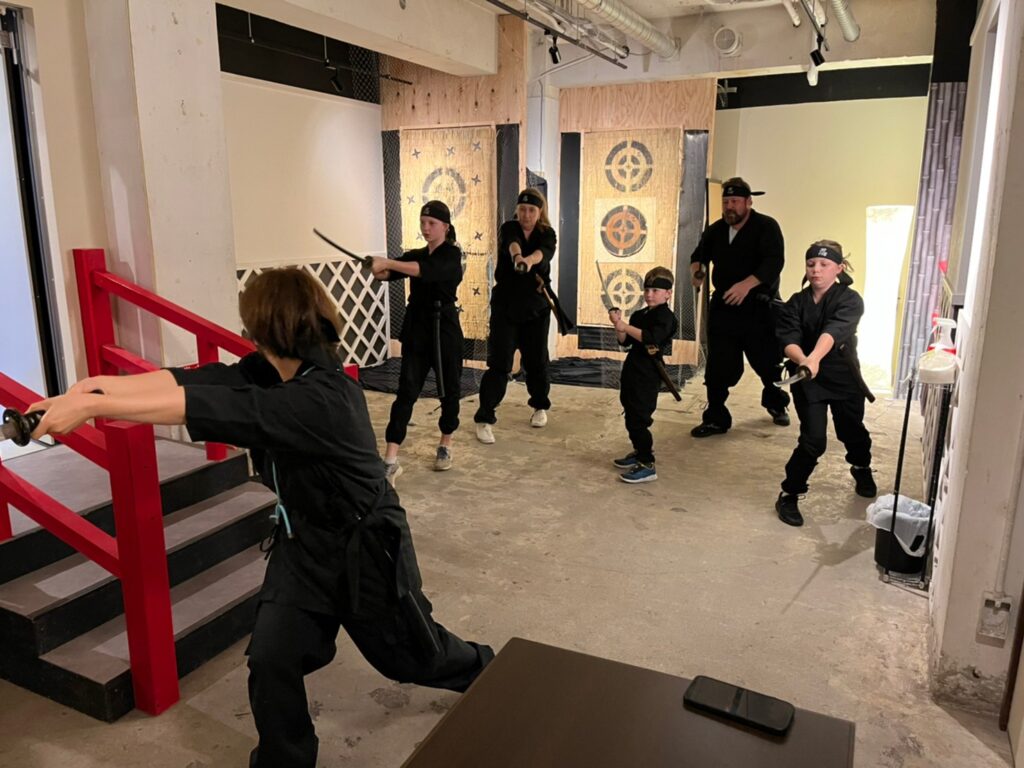
Change into an all-black ninja costume and immerse yourself in Japanese culture through ninja training with shuriken and blowdarts. It is an exciting experience for adults and children alike.
Unlike in anime, a shuriken is not flicked sideways; it is thrown overhand, much like pitching a baseball. Our staff teach a simple rhythm—"one, two" to wind up, then throw on "three"—so even first-timers can feel the thrill of hitting the target. You can learn more about the weapons ninja used in our article Shurikens, swords, and other weapons handled by Ninjas.
The blowdart session finishes with popping a balloon, so even small children can join in with a parent's help. Our ninja costumes are adjusted with ties, so they fit guests of all sizes, from adults to kids.
Capture your special memories in photos and videos. Even if you visit on your own, our staff will happily take pictures for you. As an indoor facility, the cafe can be enjoyed on rainy, hot or cold days alike!
If you are thinking "I want to be a real ninja too!", please come and visit us.
Reservations can be made here.
Unauthorized copying and replication of the contents of this site, text and images are strictly prohibited.