The Ultimate Guide to Kyoto’s 7 Most Instagrammable Spots
 Shinobu
Kyoto, the ancient capital where over a thousand years of history still lives on, is so beautiful that the entire city feels like a vast art museum.
It captures the hearts of all who visit and can truly be described as a dream destination containing everything people imagine when they think of “Japan worth photographing.”
Mystical vermilion torii gates, golden pavilions reflected in mirror-like ponds, and stone-paved streets adorned with cherry blossoms and autumn leaves.
These landscapes are not only beautiful, but also silently convey the spirituality and historical depth of Japan.
In this article, we have carefully selected the most photogenic and social media-worthy locations in Kyoto that you absolutely must visit, and we will explore their appeal in depth.
Grab your camera and your sense of curiosity, and set out on a special journey to discover the beauty of Kyoto, a city that continues to captivate people from around the world across the ages.
- Fushimi Inari Taisha: The Endless Vermilion Tunnel
- Kinkaku-ji: The Golden Pavilion Reflected on Water
- Kiyomizu-dera: A Historic Stage Floating in the Sky
- Arashiyama Bamboo Grove: A Green Labyrinth
- Ninenzaka / Sannenzaka: Stone-Paved Streets
- Gion: The Elegant Geisha District
- Yasaka Shrine: A Sanctuary Illuminated by Night
- Summary
1. Fushimi Inari Taisha: The Endless Vermilion Tunnel
Fushimi Inari Taisha is the head shrine of the approximately 30,000 Inari shrines found throughout Japan and is widely revered as a deity of prosperous business and household safety.
The sacred Mount Inari rising behind the shrine is itself an object of worship, and it is said that the total number of torii gates throughout the mountain exceeds 10,000.
Highlights
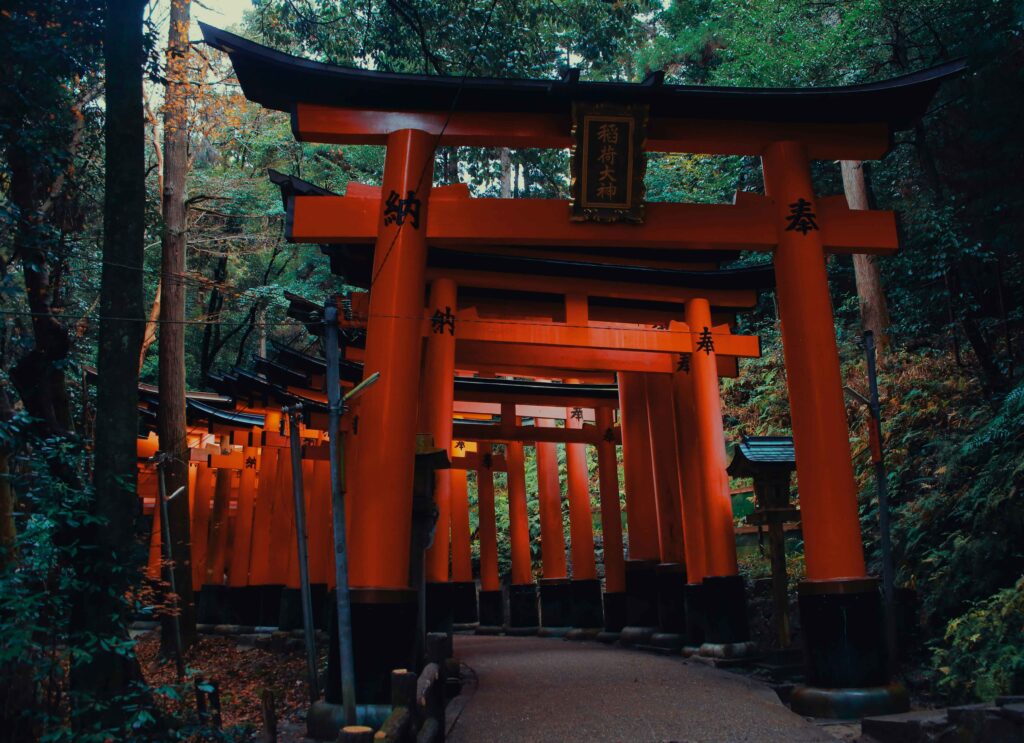
The greatest attraction is the overwhelming visual impact of the Senbon Torii (Thousand Torii Gates), where countless small torii gates stand without gaps along the forked mountain path.
These gates were donated in gratitude for wishes granted.
Viewed from the outside, their vermilion pillars form a perfectly ordered pattern, while from the inside, black inscriptions bearing the donors’ names create an entirely different impression.
When sunlight filters through the gaps between the gates, the contrast of light and shadow creates dramatic striped patterns on the ground, allowing visitors to capture photographs with extraordinary depth and atmosphere.
The shrine grounds are also filled with fox statues, regarded as messengers of the deity.
Each has its own unique expression, often holding keys or scrolls in its mouth, making them enjoyable subjects to seek out and photograph.
- Access
- A short walk from JR Inari Station on the JR Nara Line
- 5 minutes on foot from Fushimi-Inari Station on the Keihan Main Line.
- Fushimi Inari Taisha Shrine Official Website
2. Kinkaku-ji: The Golden Pavilion Reflected on Water
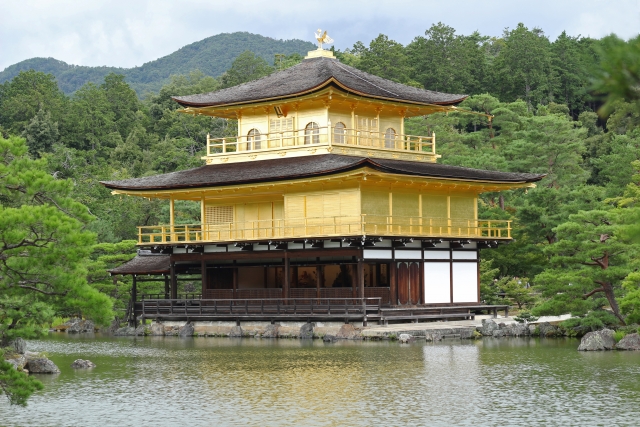
Officially known as Rokuon-ji, Kinkaku-ji was built by Ashikaga Yoshimitsu, the third shogun of the Muromachi Shogunate, in an attempt to recreate the Buddhist Pure Land in this world.
The second and third floors of the three-storey pavilion are lavishly covered in pure gold leaf, giving it a magnificent brilliance that stands out even among UNESCO World Heritage Sites.
Highlights
The most famous photography spot is across Kyoko-chi (Mirror Pond), where visitors can capture a full view of the Golden Pavilion.
On calm days, the surface of the pond becomes perfectly still, creating the miraculous beauty of the "Upside-Down Kinkaku," in which the pavilion is reflected upside down on the water.
The golden phoenix standing atop the roof with its wings spread is known as a symbol of peace, and using a zoom lens to capture its intricate details is highly recommended.
The surrounding garden, designated as a Special Historic Site and Special Place of Scenic Beauty, features carefully arranged stones and waterfalls.
As you stroll through the grounds, you can enjoy changing perspectives of the golden architecture.
- Access
- Take Kyoto City Bus routes 101 or 205 from JR Kyoto Station, get off at Kinkakuji-michi Bus Stop, then walk 3 minutes.
- Kinkakuji Temple Official Website
3. Kiyomizu-dera: A Historic Stage Floating in the Sky
Known for the famous Japanese expression "to jump off the stage of Kiyomizu," Kiyomizu-dera is one of Kyoto’s most iconic historic temples, founded in 778.
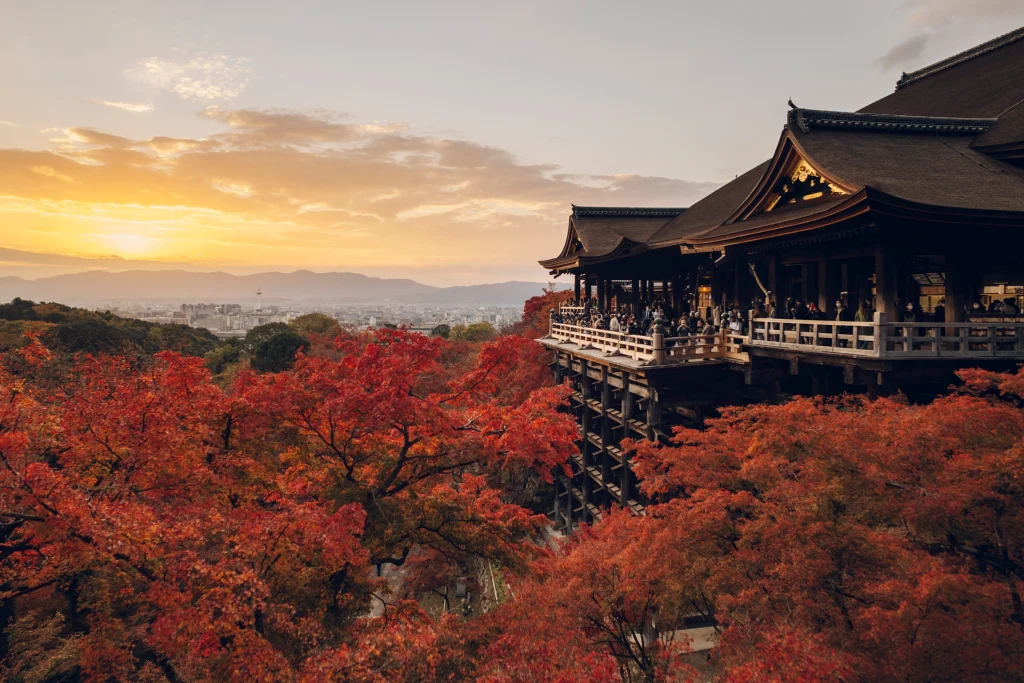
Its main hall stands atop a cliff using the traditional Japanese construction method known as kake-zukuri, built entirely without nails. Rising approximately 13 metres high, it is comparable to a four-storey building.
Highlights
The most famous composition captures the temple’s wooden stage from the Okunoin Hall area, creating a dramatic image of the platform seemingly floating in the sky above Kyoto.
In spring, around 1,500 cherry trees bloom around the stage.
In autumn, approximately 1,000 maple trees turn brilliant red, creating the illusion that the stage is floating above a sea of colour.
The vivid Niomon Gate at the entrance and the massive three-storey pagoda are also exceptional photographic subjects.
Their vermilion colours glowing in the evening sunlight are breathtaking.
During special evening illuminations, a blue beam of light projects into the night sky from the main hall, while illuminated trees create an otherworldly atmosphere.
- Access
- Take Kyoto City Bus routes 206 or 100 from JR Kyoto Station and get off at Gojo-zaka or Kiyomizu-michi Bus Stop, then walk 10 minutes.
- Kiyomizudera Temple Official Website
4. Arashiyama Bamboo Grove: A Green Labyrinth
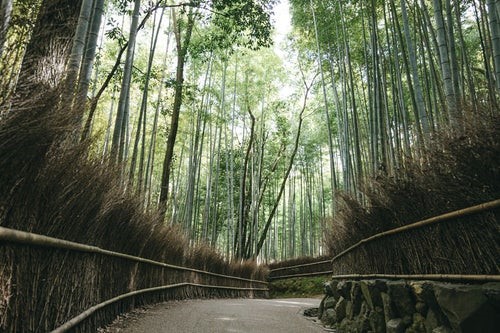
The Bamboo Grove Path, the symbol of Kyoto’s Arashiyama district, is a refreshing walking trail where tens of thousands of towering bamboo stalks stretch overhead.
The rustling sound of bamboo brushing against itself has even been selected as one of Japan’s 100 Soundscapes by the Ministry of the Environment, making it a place that soothes both the eyes and ears.
Highlights
The gently curving path through the bamboo forest creates the feeling of being surrounded by endless green walls, making it an ideal backdrop for portrait photography.
Around midday, sunlight filters through the bamboo leaves, creating magical patterns of light and shadow on the ground.
Nearby stands Nonomiya Shrine, an ancient shrine surrounded by bamboo groves.
Its rare kuroki torii gate contrasts beautifully against the vivid greenery.
For those hoping to capture the grove’s tranquil atmosphere, visiting early in the morning before the crowds arrive is essential.
Misty mornings are especially enchanting.
- Access
- 13 minutes on foot from Saga-Arashiyama Station on the JR Sagano Line
- 7 minutes from Arashiyama Station on the Keifuku Electric Railroad (Randen).
- Arashiyama Travel Japan Website
5. Ninenzaka / Sannenzaka: Stone-Paved Streets
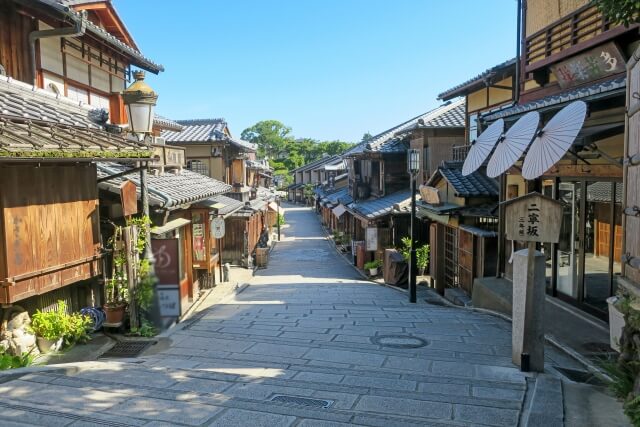
Ninenzaka and Sannenzaka, historic approaches leading to Kiyomizu-dera, are among the best-preserved traditional districts in Kyoto.
Traditional wooden houses with tiled roofs line the slopes, alongside shops selling Japanese sweets, folding fans, pottery, and other local crafts, creating the feeling of travelling through Kyoto during the Edo period.
Highlights
The most iconic composition is the view of Hokan-ji Temple's Yasaka Pagoda from the steps of Sannenzaka.
It is perhaps the quintessential "Kyoto" photograph.
During early morning and sunset, warm orange light bathes the old buildings and stone pavements, creating an atmosphere that feels suspended in time.
Ninenzaka is also home to unique attractions such as the world's only Starbucks featuring tatami seating inside a renovated traditional Japanese house more than 100 years old.
Renting a yukata or kimono and strolling these historic streets provides endless opportunities for memorable photographs.
- Access
- 5 minutes on foot from Kiyomizu-michi or Gojo-zaka Bus Stop.
- Ninenzaka, Sannenzaka Reference Website
6. Gion: The Elegant Geisha District
Gion is Kyoto’s most iconic traditional entertainment district and remains one of the few places where the refined culture of ochaya (tea houses) continues to thrive.
Its narrow lanes lined with traditional machiya townhouses and bengara-coloured lattices evoke a timeless atmosphere where one can almost hear the distant sound of shamisen music at dusk.
Highlights
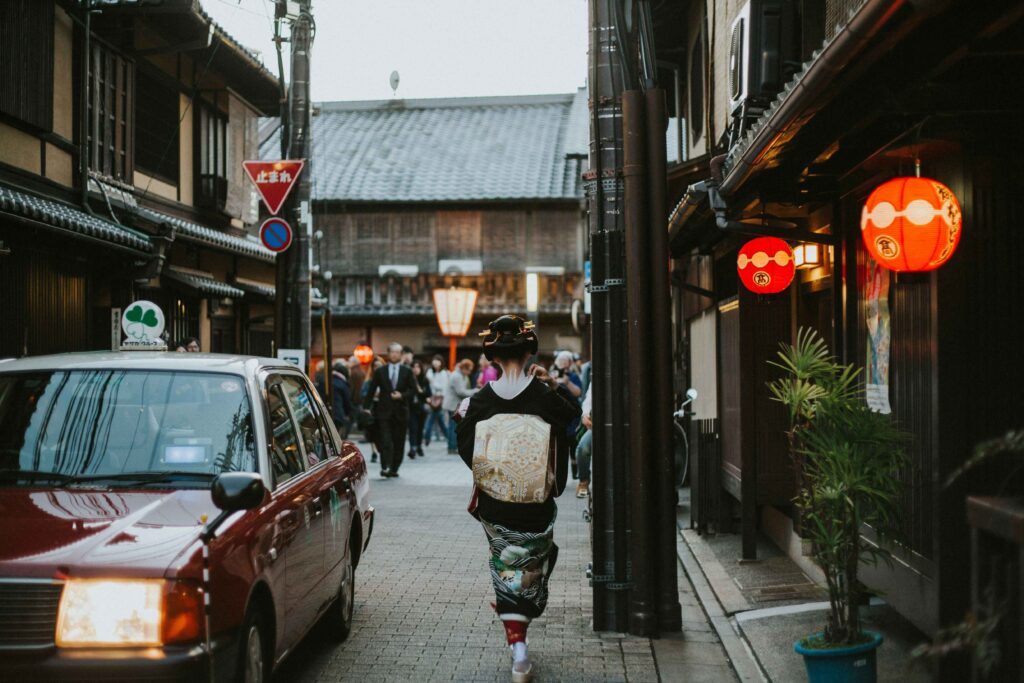
Hanamikoji Street is the district’s most famous location, with prestigious tea houses lining both sides of the stone-paved road.
If you are fortunate, you may catch sight of a maiko or geiko gracefully making her way to an evening engagement.
Visitors should note that photography is restricted in certain private areas of Gion, so it is important to observe local etiquette and photograph only from public spaces.
Another spectacular location is Shirakawa Street, where willow trees sway beside the river and the charming Tatsumi Bridge spans the water.
In spring, cherry blossoms bloom along the canal, and at night, illuminated willows and sakura reflect alongside the lights of nearby tea houses, creating a dreamlike scene.
- Access
- 5 minutes on foot from Gion-Shijo Station on the Keihan Main Line
- 10 minutes from Kyoto-Kawaramachi Station on the Hankyu Kyoto Line.
- Gion Shopping Street Promotion Associates Official Website
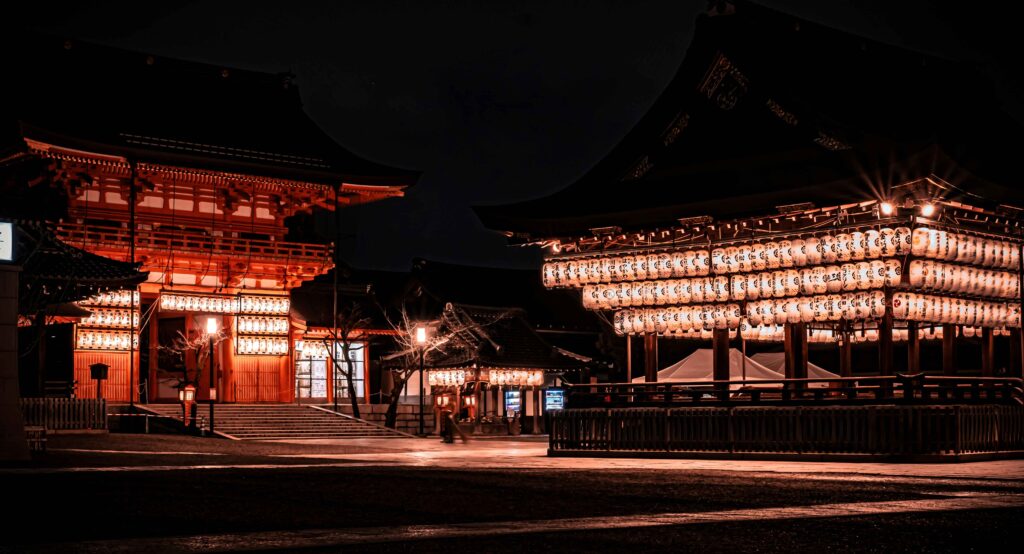
7. Yasaka Shrine: A Sanctuary Illuminated by Night
Located at the eastern end of Shijo Street in central Kyoto, Yasaka Shrine is affectionately known by locals as "Gion-san" and is revered as a deity that wards off misfortune.
Its vivid vermilion West Gate serves as a symbolic entrance connecting the bustling city to a sacred space.
Highlights
Yasaka Shrine truly comes alive after sunset.
At the centre of the grounds stands the dance stage, surrounded by hundreds of donated lanterns.
When night falls, every lantern is illuminated, bathing the shrine in a warm and inviting glow.
Photographs taken against this wall of lanterns are both atmospheric and distinctly Japanese.
Adjacent to the main hall is Utsukushigozensha, a shrine dedicated to the deity of beauty.
Its famous "beauty water" is believed to promote healthy skin and is particularly popular among female visitors.
During summer, Yasaka Shrine serves as the centre of the Gion Festival, one of Japan’s three great festivals.
The enormous festival floats parading through the surrounding streets provide extraordinary cultural photography opportunities.
- Access
- 5 minutes on foot from Gion-Shijo Station on the Keihan Main Line
- Directly beside the Gion Bus Stop after taking Kyoto City Bus route 206 from JR Kyoto Station.
- Yasaka Shrine Official Website
8. Summary
Every location introduced in this guide represents a remarkable balance of Japanese tradition, history, and nature, providing the perfect backdrop for unforgettable photographs and social media posts.
From misty bamboo forests at dawn to lantern-lit shrines at night, and stone-paved streets glowing in the evening sun, Kyoto reveals a different face with every passing hour.
A single photograph may one day become a cherished bookmark from your journey, inspiring you to return to Kyoto once again.
Why not make your next adventure a search for Kyoto’s hidden scenic treasures tucked away in its lesser-known backstreets?
What are we?
We run Ninja Experience Cafe in Tokyo, Kyoto and Osaka, Japan.
Here you can immerse yourself in Japanese culture through experiencing ninja training.
Both adults and children are welcome to try their hand at defeating the ninja master inside the cafe.
The cafe is an indoor interactive zone, so it can be enjoyed even on rainy days.
If you are thinking "I want to be a real ninja too!” or interested in becoming a real ninja, please visit us.
Reservations can be made here.
Unauthorized copying and replication of the contents of this site, text and images are strictly prohibited.