Onsen and Sento: Tattoo Rules and Bathing Etiquette in Japan
 Shinobu
For anyone interested in Japanese culture, experiencing an "onsen" (hot spring) or a "sento" (public bathhouse) is probably something that has been on your travel wish list at least once.
At the same time, many visitors have concerns such as, "I'm embarrassed about bathing naked with strangers", "Is it true that people with tattoos aren't allowed in?", or "The rules seem complicated."
In Japan, bathing is not simply about cleaning the body. It is a special cultural practice that incorporates mental relaxation, social interaction, and appreciation for nature.
This article provides a compact guide to onsen and sento culture, covering the fundamental differences between them, their history, essential etiquette, and the issue of tattoos.
We also have other onsen articles on Noboribetsu Onsen, Beppu Onsen, Hakone Onsen, Dogo Onsen!
①What Is an Onsen?
Simply put, an onsen is naturally heated water gifted by the Earth.
Japan has a legal framework known as the Hot Springs Act, under which water is officially recognised as an onsen if it meets one of the following conditions:
- The source water temperature is at least 25°C.
- It contains a specified amount of one or more of 19 designated minerals or gases.
As a volcanic nation, Japan has countless hot spring areas.
Different mineral compositions, known as spring qualities, provide various health benefits.
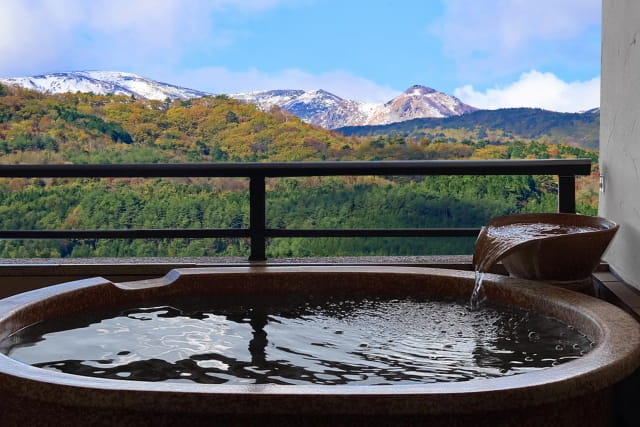
Representative Spring Types and Benefits
- Sulphur Springs: Recognisable by their distinctive boiled-egg aroma. They are believed to improve circulation and may help with high blood pressure and skin conditions.
- Hydrogen Carbonate Springs: Often called "beauty baths". They help remove old skin cells, leaving the skin smooth and soft.
- Chloride Springs: Containing salt, these springs retain heat effectively and help prevent the body from cooling down after bathing.
- Simple Onsen: Mild and gentle, with low mineral stimulation. Suitable for everyone from children to elderly visitors.
②What Are Sento and Super Sento?
While onsen are gifts of nature, sento and super sento are man-made bathing facilities developed within urban communities.
Sento (Traditional Public Bathhouses)
These are communal bathhouses intended for everyday use by local residents.
Before private bathrooms became common in homes, people visited their neighbourhood sento daily.
- Water: Usually heated tap water or well water.
- Cost: Maximum prices are regulated by each prefecture, making sento extremely affordable, typically costing around the equivalent of a single coin.
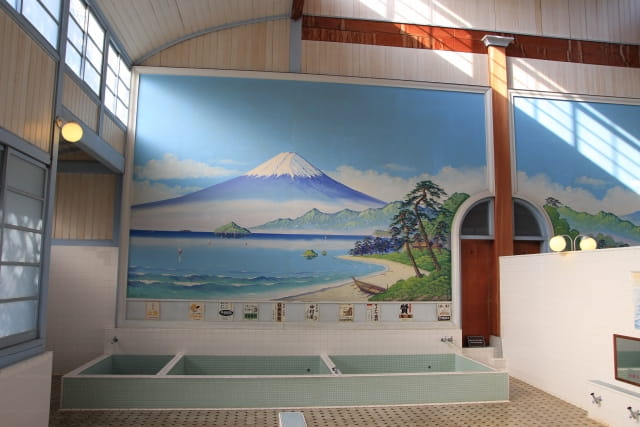
- Atmosphere: Many feature nostalgic Showa-era architecture, with large painted murals of Mount Fuji decorating the walls.
Super Sento
Super sento are modern leisure facilities built around the theme of bathing.
- Facilities: Visitors can enjoy jacuzzis, outdoor baths, saunas, cold baths, and heated stone spa rooms.
- Additional Amenities: Restaurants, massage services, manga reading areas, and relaxation spaces allow guests to spend an entire day on-site.
- Cost: Generally higher than traditional sento, typically ranging from ¥1,000 to ¥3,000.
③Differences Between Onsen and Sento
| Category | Onsen | Sento | Super Sento |
| Water Source | Natural geothermal water containing minerals | Heated tap or well water | Primarily heated water |
| Main Purpose | Tourism, therapeutic stays, relaxation | Daily bathing, cleaning, social interaction | Leisure and relaxation |
| Typical Location | Mountain resorts and coastal hot spring towns | Residential areas and near stations | Suburban roadsides and urban areas |
| Typical Cost | ¥1,000–¥2,500 for day use | Around ¥500 | ¥1,000–¥3,000 |
| Tattoo Policy | Depends on facility | Generally permitted | Often very strict, usually prohibited |
④The History of Onsen and Sento
To better understand Japan's unique bathing culture, it helps to know a little about its history.
- The History of Onsen: From Mythology to Therapeutic Bathing
The history of hot springs in Japan dates back centuries.
Historical texts from the 8th century, including the Kojiki, contain stories of emperors and deities healing their wounds in hot springs.
When Buddhism arrived in Japan during the 6th century, washing the body was considered a virtuous act that purified both body and spirit. Temples built bathing facilities and opened them to the public.
During the Edo period (17th to 19th centuries), therapeutic stays known as "toji" became extremely popular.
People travelled to hot spring towns and remained there for weeks to recover from illness and injury.
- The History of Sento: Social Hubs of Edo
In Edo, present-day Tokyo, private baths were restricted due to fire risks.
As a result, public bathhouses known as "yuya" emerged throughout the city.
Early bathhouses were mixed-gender, partly due to space limitations.
Over time, separate facilities for men and women became standard.
Because everyone bathed naked regardless of social status, sento became places where people interacted on equal footing, giving rise to the concept of "hadaka no tsukiai" or "naked fellowship".
⑤Bathing Etiquette in Japan
Japanese bathing etiquette is based on consideration for others so that everyone can enjoy a clean and comfortable environment.
Step 1: Rules in the Changing Room
- Remove Your Shoes
- Always take off your shoes before entering and place them in the shoe lockers.
- No Smartphones or Cameras
- Electronic devices are strictly prohibited in changing rooms and bathing areas to protect privacy.
- Remove All Clothing
- Swimwear is not permitted in Japanese baths. All clothing, including underwear, must be removed.
- Bring Only a Small Towel
- Take only a small face towel into the bathing area.
Step 2: Entering the Bathing Area
- Perform Kake-yu (Pre-Rinse)
- Before entering the bath, use a bucket to pour hot water over your body several times. This removes surface dirt and helps your body adjust to the temperature.
- Wash While Sitting Down
- Sit on the provided stool and wash thoroughly with soap and shampoo. Avoid splashing water onto other guests.
- Clean Up After Yourself
- Rinse any soap from stools and buckets and return them to their original places.
Step 3: Rules in the Bath
- Do Not Put Towels in the Water
- Keep your towel out of the bath. Place it on your head or on the edge of the bath.
- Soak Quietly
- Baths are not swimming pools. Swimming, diving, or making excessive noise is considered inappropriate.
Step 4: Leaving the Bath
- Dry Yourself Before Returning to the Changing Room
- Before leaving the bathing area, wring out your towel and use it to remove excess water from your body. This prevents the changing room floor from becoming wet.
⑥About Tattoos in Japan
One of the most common concerns among international visitors is tattoo restrictions.
Historically in Japan, tattoos have been associated with criminal punishment and organised crime groups known as yakuza.
As a result, many onsen and super sento still prohibit guests with visible tattoos.
However, there are now many ways for tattooed visitors to enjoy Japanese bathing culture.
Four Ways to Enjoy Baths with Tattoos
- Use Tattoo Cover Stickers: Many facilities allow entry if small tattoos are fully covered with skin-coloured waterproof patches.
- Use a Private Bath: Private baths can be reserved by the hour, allowing guests to bathe without worrying about other visitors.
- Stay at a Ryokan with a Private Open-Air Bath: Some traditional inns offer private hot spring baths attached to guest rooms, allowing unrestricted access throughout your stay.
- Look for Tattoo-Friendly Facilities: As international tourism continues to grow, more facilities are welcoming tattooed guests. Search for facilities labelled "Tattoo Friendly".
⑦Famous Hot Spring Destinations in Japan
- Hakone Onsen (Kanagawa)
Approximately 90 minutes from Tokyo (Shinjuku Station) by limited express train.
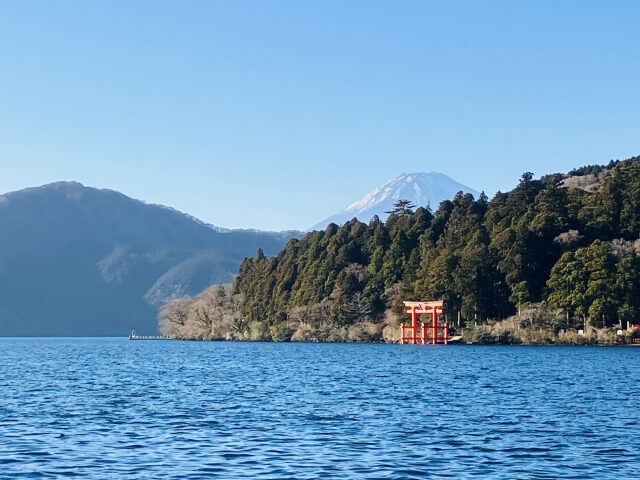
One of Japan's premier hot spring resorts, offering spectacular views of Mount Fuji, cruises on Lake Ashi, and numerous museums.
- Kusatsu Onsen (Gunma)
Frequently ranked among Japan's top hot spring destinations and often referred to as the "King of Onsen".
It is famous for the Yubatake hot water field in the town centre and traditional yumomi water-cooling performances.
- Beppu Onsen (Oita)
Japan's leading hot spring city in both the number of sources and total water output.
Popular attractions include the colourful "Hells of Beppu" hot spring tour and sand baths, where visitors are buried in naturally heated sand.
- Arima Onsen (Hyogo)
Located close to Osaka and Kobe, Arima is one of Japan's oldest hot spring resorts.
Visitors can enjoy both Kinsen, a reddish-brown iron-rich spring, and Ginsen, a clear and colourless spring.
⑧Summary
Japanese onsen and sento are much more than places to wash your body.
They are cultural spaces where you can experience the power of nature and the historical spirit of "naked fellowship".
At first, you may feel self-conscious about being naked around strangers, but in reality, nobody pays attention.
As long as you understand the rules and show consideration for others, there are plenty of options available, even for travellers with tattoos.
On your next trip to Japan, step through the noren curtain and experience some of the finest relaxation the country has to offer.
What are we?
We run Ninja Experience Cafe in Tokyo, Kyoto and Osaka, Japan.
Here you can immerse yourself in Japanese culture through experiencing ninja training.
Both adults and children are welcome to try their hand at defeating the ninja master inside the cafe.
The cafe is an indoor interactive zone, so it can be enjoyed even on rainy days.
If you are thinking "I want to be a real ninja too!” or interested in becoming a real ninja, please visit us.
Reservations can be made here.
Unauthorized copying and replication of the contents of this site, text and images are strictly prohibited.